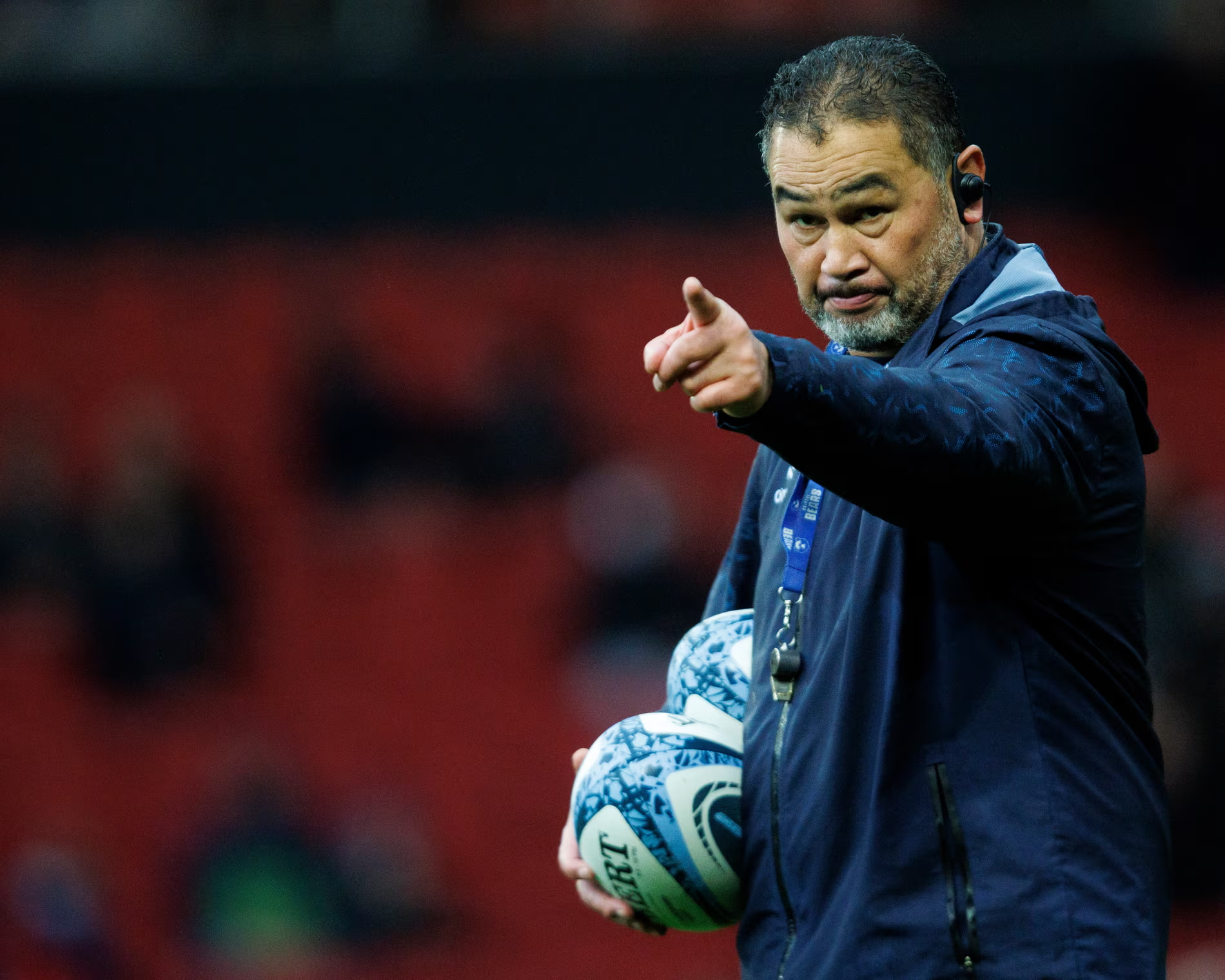
On the wall of Pat Lam’s office at the Bristol Bears’ high-performance center, a single rugby shirt holds special significance. Despite having worn many throughout his career, the Connacht jersey from their 2016 Pro12 title-winning season stands as a symbol of his philosophy. “I’ve won a lot of things, but it’s there to remind me that success isn’t about the money,” says the 56-year-old former Samoa captain. “It’s about having the right structure in place, where everyone pulls together.”
In the corridors of the training facility, more motivational slogans set the tone for the team’s relentless pursuit of excellence. Messages like “Through Them, Around Them, Over Them… It’s all about the Ball” and “Shape, Alignment, Lines, Timing, Execution” line the walls, highlighting the attention to detail that underpins Bristol’s approach.
For Lam, the current season could mark the culmination of an eight-year journey since his arrival from Connacht in 2017. With seven regular season games left, Bristol sits in second place behind West Country rivals Bath. Their attacking game is hitting top form, and the recovery from mid-winter injuries has come at just the right time.
This season’s progress may signal that Bristol is finally on the verge of fulfilling their potential, though there is one major distraction on the horizon: the Wales head coach position. Lam is the bookies’ favorite, and given his involvement with the Samoa team that famously defeated Wales in the 1991 World Cup, he is no stranger to the emotional rollercoaster that comes with Welsh rugby.
Though Lam was diplomatic about the speculation surrounding his future, saying it was “flattering,” he made it clear that he would only consider a new role if he could maintain control over the direction of the team. “I want to drive the game, the culture, and the leadership. Those are my non-negotiables,” he insists. “You’re only as good as the people you surround yourself with. I won’t take a job unless all these aspects are in place.”
The Importance of a Unified Team and Environment
Lam’s view on coaching is shaped by the importance of unity and alignment within a team. He stresses that any international job must include strong coordination between all departments, from medical to strength and conditioning, to ensure a winning environment. “It’s about asking, ‘Are they coming from winning environments? Are the support structures working together?’” Lam says, drawing comparisons to New Zealand’s success, where everything is tailored to support the All Blacks’ success.
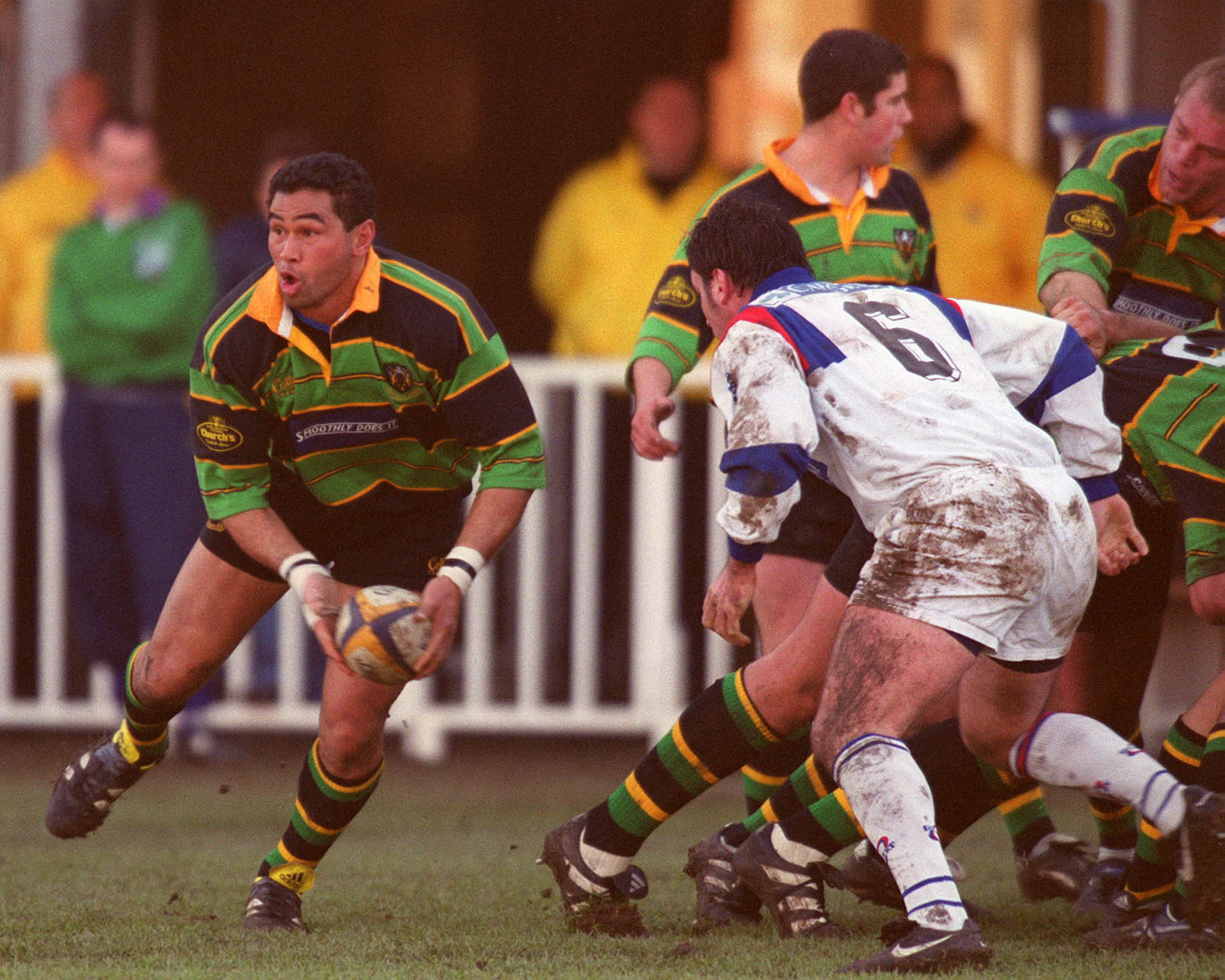
With his experience as a former captain of Northampton, as well as serving as an assistant coach with Scotland in 2003, Lam has a unique perspective on the rugby landscape across the home nations. In his eyes, Ireland stands out as the model of success, with central contracts and four aligned teams. He sees Wales as an opportunity for growth but acknowledges the challenges, particularly the need to improve regional development and player pathways. Scotland, too, has faced its challenges, but Lam is optimistic about Glasgow’s progress.

The Wasted Talent in England’s Rugby System
Lam’s frustration with England’s rugby system is clear. He believes that a significant amount of young talent is being wasted because the club structure allows teams in certain regions to hoard too many players, restricting opportunities for others. “The academy boundaries are the biggest hindrance,” he argues. “How many players are falling through the cracks? How many young talents are leaving the game because of this system?”
Lam suggests that a nationwide draft system could be part of the solution, but only if it reduces self-interest within the game. He likens the situation to politics, where entrenched interests prevent change. “If it works for me, why would I want to change it?” he asks. “But is it working for the good of the whole game? It’s not. There is so much talent here that could be harnessed better.”
Bristol Bears: Maximizing Success with a Leaner Budget
Despite being one of the lowest spenders in the Premiership, Lam has found success by focusing on building a cohesive squad, offering young academy players more opportunities, and emphasizing team unity. Currently, Bristol is the eighth-lowest spending club in the league, yet Lam has embraced the challenge of competing with teams that have much larger budgets.
“It’s like being back at Connacht,” he reflects. “We’ve got to maximize everything. The boys get on well together, and the young academy players are getting more chances. A smaller squad can be more cohesive, as long as injuries don’t take their toll.”
Lam points to Bath as an example of a team with a much larger budget, spending nearly £2.5 million more than Bristol this year. Despite these financial disparities, he remains proud of his team’s achievements. “I love it,” he says. “It’s a challenge, and it feels good to prove that it’s not all about money.”
The Future of Bristol Bears
As the season progresses, Lam remains steadfast in his belief that Bristol is on the cusp of achieving great things. “I always say, ‘Good players play the game, great players know the game,’” he states. “When you know the game, it’s so much easier to see, talk about, and make things happen.”
While there are still a few steps to take before Bristol can claim a Premiership title, Lam is confident that the club is building toward sustainable success. “We’ve still got a couple of things we need to do,” he says. “But once we do that, our chances of titles will increase—not just this year, but in the future as well. Then I’ll feel like I’ve left everything in place for the next coach to take it further.”