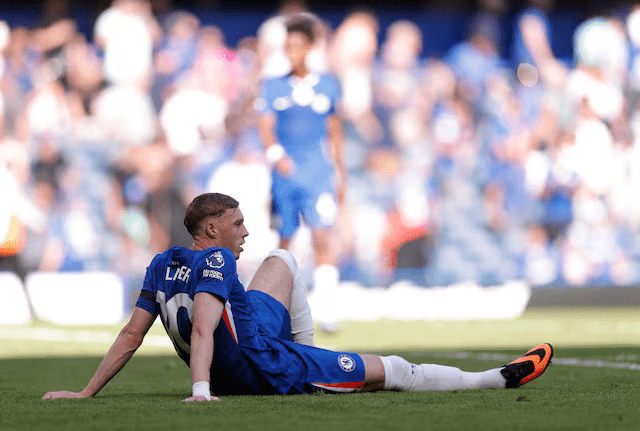
The global players’ union FIFPRO has sounded the alarm: the current football calendar is pushing elite players to breaking point. Their most recent report on the 2024-25 season argues that match congestion, reduced rest periods and overlapping competitions are undermining both physical and mental health. Players involved in the newly expanded Club World Cup are especially exposed.
What the problem looks like
Some of the main issues identified by FIFPRO:
- Insufficient off-season and pre-season rest: Top clubs such as PSG, Real Madrid, Manchester City and Chelsea are reported to have given players well under the recommended 28 days off in the off-season, as well as very short pre-season preparation.
- High number of matches: Some players are seeing fixture totals way beyond what was typical in previous years. For example, appearances into the 50-60+ range even before accounting for international duty, plus travel demands.
- Back-to-back matches with minimal recovery: There are many cases where players have less than five days of rest between matches; this is especially problematic for those also required to travel long distances.
- Psychological strain: The ramp-up in demands doesn’t only take a toll physically. Mental fatigue, stress about injuries, less time for proper recovery, and feeling stretched thin between club and international duties are all flagged.
Why the Club World Cup is especially under scrutiny
The newer, expanded format of the Club World Cup has made the issue more acute:
- It is scheduled in a period that overlaps or squeezes what should be player rest time, notably between seasons when off-season recovery and preparation are necessary.
- Many players going into the tournament will already have completed a heavy season, with many matches, international duty, travel etc. So the tournament adds to wear and tear rather than giving a pause.
Consequences that worry FIFPRO
FIFPRO warns that without change:
- Injury risk increases significantly. Players who are overworked are more likely to suffer both acute injuries (e.g. muscle, groin) and longer-term issues.
- Performance may suffer. Fatigue affects consistency, decision-making, mental sharpness. Over the longer term, careers may be shortened.
- Player welfare, mental health and general well-being are jeopardised: burnout, stress, lack of rest is harmful beyond just the physical body.
What FIFPRO is proposing
To protect players, FIFPRO is calling for a series of reforms:
- Guaranteed rest periods
- A full, proper off-season long enough to allow recovery.
- Pre-season retraining periods so players can ramp up safely.
- Mandatory mid-season breaks
- To avoid continuous stretches of matches without sufficient downtime.
- Workload limits and better scheduling
- Limiting how many matches players do, especially when factoring both club and country duty.
- Avoiding too many back-to-back games.
- Travel and recovery protocols
- Better managing international travel so that players are not expected to fly great distances with little rest.
- Legal and structural oversight
- FIFPRO and European leagues have filed complaints (for example with the European Commission) arguing that FIFA’s decisions about the calendar — especially the expanded Club World Cup, expanded international competitions — violate player welfare norms and in some cases legal frameworks.
- More collective decision-making involving players, leagues, and unions to agree calendars rather than top-down impositions.
Challenges & considerations
It’s not simple to just reduce the number of games. Some of the complicating factors include:
- Commercial interests: Broadcasters, sponsors and national associations increasingly seek more high-profile matches, more tournaments, bigger global reach. These bring revenue and prestige. Adjusting the calendar can reduce these opportunities or shift them.
- Multiple stakeholders: Clubs, leagues, national teams, confederations, governments all have interests that may conflict (e.g. domestic league vs international tournaments). Coordination is hard.
- Precedents & governance: Decisions made already (such as commitments to new tournaments) have downstream effects—once a tournament is announced, accommodations and contracts are set. Changing afterward is difficult.
- Global inequalities: Players in leagues with fewer resources may suffer more if rest periods, travel, facilities etc are not well managed. What works in one region may be harder in another.
What might happen next
Given the mounting pressure, here are plausible developments:
- Formal negotiations or consultations between FIFA, confederations, FIFPRO, and leagues over adjustments to the match calendar.
- Implementation of medical / performance expert recommendations, possibly through “safe-workload” guidelines or binding rules.
- More legal scrutiny, especially in Europe, over whether the current calendar breaches laws around labour, health and safety, or competition law.
- Possibly scaling back or rescheduling some tournaments, or providing more rest windows.
- Greater public and media attention, which may increase pressure on governing bodies to act.
In summary, FIFPRO’s argument is that the current football calendar — with its expanded tournament formats like the Club World Cup, longer seasons, tighter turnarounds, heavy travel and short rest periods — is unsustainable. Players are suffering. The union is clear: urgent reform is needed across the board to protect player health, maintain performance standards, and ensure the long-term sustainability of the sport.