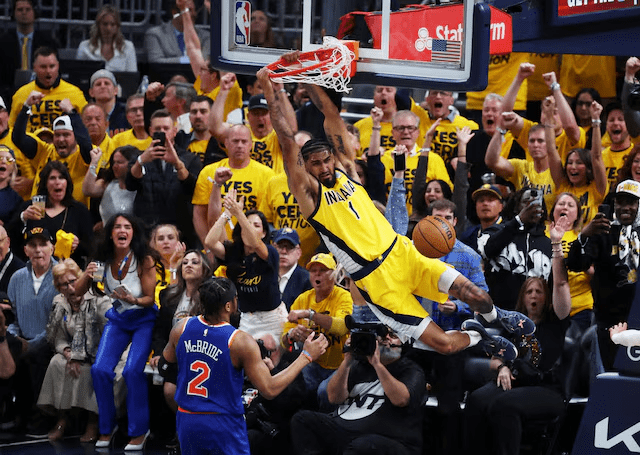
After more than five years away from staging NBA games on Chinese soil, the league has officially returned, choosing Macau as its entry point. This move comes as part of a multi-year arrangement and reflects both a thaw in relations and a strategic push into one of its most important international markets.
Background
The last time the NBA held preseason games in China was in 2019. That year, a tweet by Daryl Morey, then GM of the Houston Rockets, expressing support for the pro-democracy protests in Hong Kong triggered a sharp response from China. NBA broadcasts were suspended, sponsorships withdrawn, and the relationship between the league and Chinese fans cooled significantly.
Over the subsequent years, the NBA and its teams have made attempts to reestablish ties: broadcasting resumed, some player and team promotional activities returned, and there has been growing interest from both sides to find common ground. However, regular preseason games in China had not resumed until now.
What is happening now
Here’s what the current return looks like:
- The NBA has signed a five-year agreement with Sands China to host pre-season games in Macau. Under this deal, there will be two preseason games per year at the Venetian Arena in Macau.
- The inaugural games under this deal are scheduled for October 10 and October 12, 2025, featuring the Brooklyn Nets vs. Phoenix Suns.
- Alongside the games, there will be fan-centric activities: youth clinics, community outreach, exhibitions, an “NBA House” immersive fan experience combining sport, fashion, music, and technology.
- A key Chinese player for the Nets, Zeng Fanbo, is part of the event. His participation adds symbolic weight given his nationality and could help drive local interest.
- The NBA has also entered into a multi-year technological partnership with Alibaba. Alibaba Cloud will be the official AI/cloud partner for NBA China, enhancing digital and fan engagement in the region.
Why Macau
Choosing Macau rather than another city in mainland China or Hong Kong reflects several practical, political, and logistical considerations:
- Legal and regulatory environment: Macau is a special administrative region, with “one country, two systems” status, which gives a different regulatory framework. It is also the only place in China where casino gambling is legal.
- Venue capacity and infrastructure: The Venetian Arena in Macau, run by Sands China, is well equipped for large international events. There were reports that Hong Kong, despite having been considered, lost out because of poorer infrastructure and venue capacities compared to Macau.
- “Soft landing” politically and commercially: Given the tensions that led to the break in relations in 2019, Macau provides a lower-risk environment to rebuild trust and test how Chinese fans and authorities respond.
- Macau’s diversification push: Macau has been under pressure to reduce its extremely heavy reliance on gambling tourism. Non-gaming sectors—entertainment, sports, lifestyle—have become a priority. Hosting NBA games aligns with the city’s broader economic diversification plans.
Implications
The return of the NBA to China through Macau has several implications:
- For the NBA: This is a chance to re-establish one of its largest international markets. With some past revenue lost due to the fallout, the NBA has both fans and business partners to win back. A successful run in Macau could lead to more frequent games, sponsorships, streaming rights deals, and merchandising growth in China.
- For Chinese basketball fans: Fans who have been largely cut off from live NBA action in recent years will have more opportunities to engage in person. The presence of a Chinese player, immersive fan activities, and the associated events could help rekindle enthusiasm.
- For geopolitical soft power: Sports diplomacy plays a role here. The NBA’s return, done carefully, can signal mutual willingness to move past disputes. But it also raises questions about how far freedom of expression and political speech will be tolerated in future contexts.
- For Macau: The event will contribute to its goal of expanding non-gaming attractions. The local economy around tourism, hospitality, entertainment may benefit. It also positions Macau not just as a gambling hub but as a destination for global sports and cultural events..
Risks and challenges
While this comeback has potential, it is not without risk:
- Political sensitivity: The 2019 incident remains in memory, and any misstep by NBA, team officials, or players could risk triggering renewed backlash. The boundaries of acceptable speech in China can be unclear and shift over time.
- Broadcasting and rights issues: Restoring or renegotiating media rights is complex. Some broadcast bans or restrictions have eased, but full access and coverage may still be dependent on political climate.
- Logistics and scheduling: Preseason games are easier to schedule than regular-season ones, but travel, rest, and the disruption to team preparation are considerations. The NBA has suggested that regular-season games in Asia remain unlikely for now due to travel and scheduling challenges.
- Fan engagement vs. commercial expectations: There is risk that fan engagement doesn’t immediately translate to revenue—in ticketing, merchandise, or sponsorship. Also, ensuring fair pricing, access, and meaningful local participation is key.
What to watch
Going forward, some of the indicators to monitor will include:
- Attendance and viewership metrics in Macau and in mainland Chinese markets. High turnout and strong viewership would encourage expansion.
- Partnerships with Chinese brands and tech companies, particularly how the Alibaba cloud/AI partnership plays out in improving fan experience, streaming, or content delivery.
- Player participation and local interest—how much the Chinese national or local players are involved, and whether local fans feel included rather than just spectators.
- Reactions from authorities—both local Macau government and national authorities in China. Compliance, censorship, or comments from officials will be signals of how stable the relationship is.
- Continuation and expansion beyond preseason—will there be more games in other cities? Will the NBA push toward regular-season games or tournaments in China or Asia more broadly? That seems unlikely in the short term but might be a long-term goal.
- Economic impact in Macau—tourism, hotel stays, non-gaming revenue. How much value the event adds beyond just the games themselves.
Conclusion
The NBA’s return to China via Macau is a major development in international sports, reflecting both healing of past diplomatic wounds and the recognition of China as a crucial market for basketball. The agreement with Sands China, the role of Alibaba, the fan events, and the schedule all suggest a thoughtful strategy rather than a rushed reentry. If managed well, this could restore a significant part of NBA’s global outreach that was lost after 2019. But success will depend on maintaining sensitivity to political issues, ensuring broad fan engagement, and delivering value—not just on the court but commercially and culturally.