The tri-nation T20 International series was scheduled to be played in Pakistan from 17 to 29 November 2025, featuring Pakistan, Afghanistan and Sri Lanka, with matches in Rawalpindi and Lahore.
However, the Afghanistan Cricket Board (ACB) announced its withdrawal after three Afghan cricketers were killed in military strikes in Afghanistan’s Paktika province. The ACB described the incident as a “great loss for Afghanistan’s sports community, its athletes, and the cricketing family”.
Specifically, the three players (identified as Kabeer Agha, Sibghatullah and Haroon) had travelled to Sharana (capital of Paktika) to play a friendly match, then returned home to the Urgun district where they were reportedly targeted in an airstrike.
Why the decision
The key factors influencing Afghanistan’s withdrawal include:
- Respect for the victims: The ACB stated the decision to withdraw was “a gesture of respect to the victims” and their families.
- Security and moral concerns: With the deaths occurring amid escalating cross-border tensions and strikes, the board and players saw participating in the event under those circumstances as untenable.
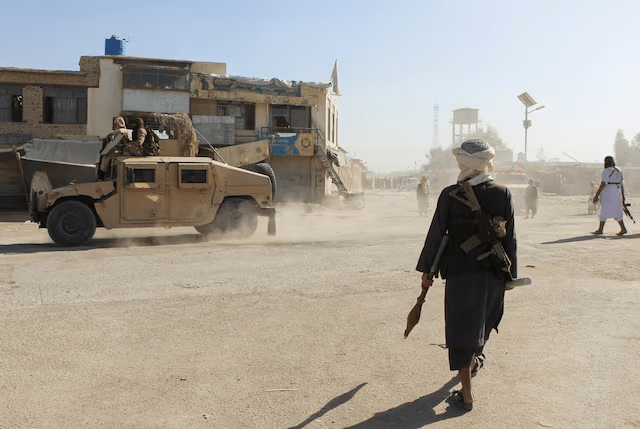
- Broader geopolitical context: This isn’t isolated to sport. The countries involved have been engaged in severe clashes along the Afghanistan-Pakistan border, which has spilled into civilian and non-combatant domains. The sporting decision is embedded in those wider dynamics.
Impact & reaction
- The series organisers, Pakistan Cricket Board (PCB), confirmed the tournament will go ahead as planned, despite Afghanistan’s withdrawal, and that they are seeking a replacement team.
- The withdrawal marks a significant blow to the series schedule, and raises questions about the intersection of sport and diplomacy in volatile regions.
- The incident has drawn condemnation from several sides, and underscores how external conflict can disrupt even high-profile sporting fixtures.
What this means for cricket and the region
- For Afghanistan: Their absence from the tri-series deprives players of valuable international exposure ahead of the next T20 World Cup cycle. It also reflects internal pressures (security, morale, governance) that may influence future fixture commitments.
- For Pakistan and Sri Lanka: They must adjust to a reshuffled tournament, possibly facing a weaker or different opponent, which may affect competitive integrity and preparation.
- For the wider sport: It serves as a reminder that cricket, especially in South Asia, is deeply entwined with regional politics. Matches are not just about bat and ball, but also about trust, diplomacy, and security.
- For peace and diplomacy: The withdrawal is another symptom of strained Afghanistan-Pakistan relations. Sporting ties often serve as soft-power bridges; when they fracture, it signals deeper fissures.