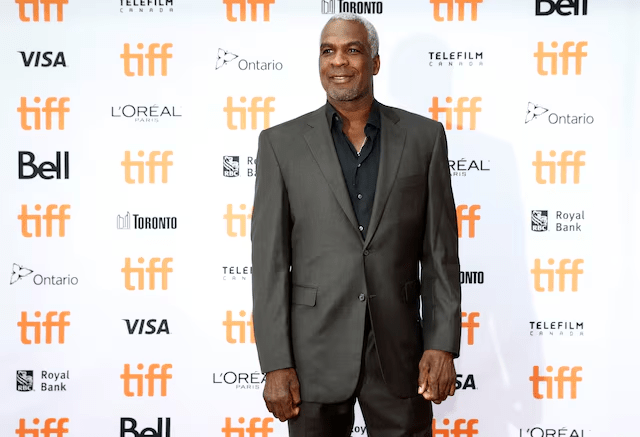
A U.S. federal court has sanctioned former NBA player Charles Oakley in his long-running legal dispute with Madison Square Garden Company (MSG) over his 2017 ejection from a game.
In the ruling, Magistrate Judge Robyn Tarnofsky ordered Oakley to pay in excess of $642,000 in attorney fees and costs to MSG, after determining that he failed to preserve five years’ worth of text messages that were potentially relevant to his lawsuit.
Oakley, who played 19 seasons in the NBA and spent a decade with the New York Knicks (1988-1998), sued MSG and team owner James Dolan alleging assault and battery in connection with his removal from his courtside seat during a February 8, 2017 game against the Los Angeles Clippers.
The sanction stems from the finding that Oakley’s explanation for losing the texts—that his phone broke and he upgraded devices without backing up the messages—was “simply not credible,” and amounted to bad-faith conduct.
This decision is part of a broader shadow war of sanctions between the parties: MSG has repeatedly sought to penalize Oakley and his legal team for what it describes as a misleading narrative, while Oakley has moved to sanction MSG and its lawyers for allegedly making false statements about the incident and the owner’s involvement.
The ruling signals strong judicial tolerance for discovery misconduct such as failure to preserve relevant communications, particularly when litigation is long-running and high-profile. For Oakley, the financial burden mounts and the path forward in his underlying claims has become even more challenging; for MSG, the ruling provides momentum in its defensive posture though other sanctions motions from both sides remain pending.
In essence, what began as a physical ejection incident at a basketball game has evolved into a protracted legal and procedural battle. That battle now includes serious sanctions for failure to meet litigation obligations—underscoring that in complex civil disputes, adherence to discovery rules can be as consequential as the core merits of the case.