75
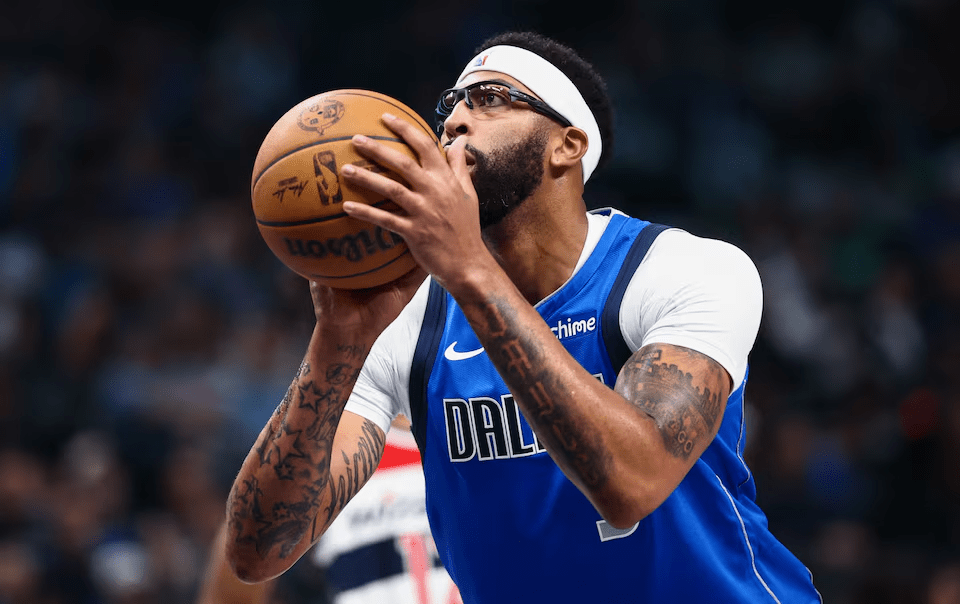
The Dallas Mavericks’ big-man Anthony Davis will not resume playing until team governor Patrick Dumont reviews and approves medical data confirming that his left calf strain is sufficiently healed.
Anthony , a ten-time All-Star and the centerpiece of last February’s blockbuster trade that sent Luka Dončić to the Los Angeles Lakers, has not suited up since October 29.
What’s Going On
- Anthony has been sidelined for his seventh consecutive game as of this update, listed as questionable for the upcoming matchup vs. the Phoenix Suns.
- The hold-out stems from a disagreement between the Mavericks’ medical staff (led by director of health & performance Johann Bilsborough) and Anthony ’ personal medical team over his readiness to return. Dumont sided with the team’s internal staff, overriding external advice.
- Anthony was averaging 20.8 points, 10.2 rebounds, and 2.2 assists in 29.8 minutes over five games this season before being injured.
Why This Matters
This development signals a few key issues for Dallas:
- The owner’s direct intervention in player return decisions is unusual at this level, especially for a star of Davis’ caliber.
- Davis’ health and availability were major selling points in his acquisition (following the Dončić trade). His ongoing absence raises concerns about the Mavericks’ ability to compete in the near term.
- The firing of former GM Nico Harrison (who advocated for Davis’ return) may reflect broader internal tensions around decision-making and direction for the franchise.
What Now?
- Until Dumont receives and approves medical documentation confirming that Davis can return without risking aggravation, the team will hold him out.
- Dallas may face pressure from fans, sponsors and media as another high-profile acquisition remains largely unavailable.
- Davis himself, known for his competitive intensity, may face frustration over the lack of playing time and control over his return timeline.
In short: the Mavericks are erring on the side of caution, but the optics and implications of a star player being sidelined not by his own decision, but by organizational gate-keeping, could have ripple effects across team morale and expectations.