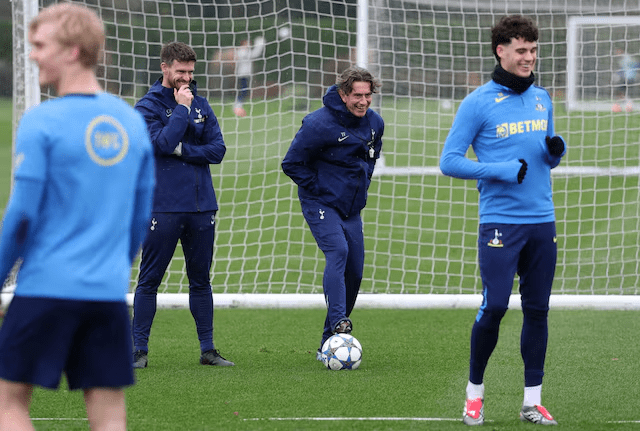
Tottenham Hotspur manager Thomas Frank has publicly backed his own ability to reverse the club’s recent slump in form, insisting that his track record of overcoming early-season struggles at previous clubs proves he can lead Spurs out of their current malaise. The Dane’s confidence comes as Tottenham sit 14th in the Premier League with just one win in their last eight league games, and pressure mounts on the team ahead of crucial fixtures.
Frank, who succeeded Ange Postecoglou as Spurs boss in June, has emphasised that turning around a team’s fortunes is rarely instant, but he remains confident that progress will come with time, clarity and strategic adjustments. His comments reflect both his experience as a manager and the belief that stability and consistency are essential in navigating a challenging season.
A Rocky Start at Tottenham
Frank’s tenure at Spurs has been marked by a tumultuous start, with the club unable to find form consistently in the Premier League. Spurs’ recent form has seen them win only once across their last eight league outings, leading to growing fan frustration and mounting media scrutiny. While not in relegation danger, Tottenham’s position well outside the top half of the table is not where supporters envisaged when the former Brentford boss arrived at the London club.
The poor run has amplified discussions around tactical approaches, player morale and the manager’s future in charge. Critics argue that results have not matched expectations for a squad boasting talented players and history-making ambitions following the club’s Europa League success in the previous season. Yet Frank, in interviews, has remained steadfast in his belief that his coaching philosophy will yield long-term gains.
Frank’s Winning Blueprint: Lessons from the Past
Part of Frank’s public backing stems from his prior managerial experience at Brøndby and Brentford, where he orchestrated impressive turnarounds after tough starts. Citing those examples, he reminded reporters that early struggles do not dictate a season’s final outcome, and that patience often precedes success in football. At Brøndby, he took a slow-starting side and turned them into a competitive outfit, and at Brentford, he navigated similar ups and downs before fostering consistent results.
“At Brøndby I didn’t win the first eight games and then we were unbeaten in nine. At Brentford, we lost eight out of 10 games and then we were unbeaten in 10,” Frank told the media, emphasising that such patterns can reverse themselves with the right mindset and tactical adjustments. He said he’s “not in doubt” that Spurs will follow a similar pattern of improvement.
This history gives Spurs fans and analysts a reason to view Frank’s optimism as grounded in tangible past success, rather than mere bravado. His appeal to past turnarounds suggests he sees structural and psychological elements within Tottenham’s current squad that can be harnessed — provided time and trust are given.
Tactical Identity and Player Development
Frank’s managerial philosophy often prioritises structure, organisation and resilience, tailored to get the best out of his squad. However, that approach has drawn mixed reactions from supporters and pundits alike. Some critics argue that Spurs have lacked flair and attacking clarity in recent matches, while others credit Frank for trying to instil discipline and long-term habits amid a transitional period for the club.
Players like Randal Kolo Muani have publicly voiced support for Frank, highlighting the professionalism and trust within the dressing room. Muani, who is on loan from Paris Saint-Germain, spoke about his positive relationship with the manager and confidence in the coaching setup, underlining that team morale remains strong despite recent results.
Such support from players can be pivotal in maintaining unity during lean spells. When the squad demonstrates belief in the manager’s vision, even amidst criticism from outside, it often fosters a healthier environment for growth and tactical refinement.
Pressure from Fans and Media Scrutiny
Despite Frank’s internal confidence and player backing, pressure from fans and media is mounting. Social media discussions highlight a divide among supporters — some strongly encouraging patience, while others call for fresh ideas and personnel changes to catalyse immediate improvements. Posts across fan forums and Reddit show a range of opinions, from staunch backing of Frank’s long-term project to frustration with inconsistent results and tactical approaches.
This fan reaction is typical for clubs of Tottenham’s stature, where expectations are high and patience often thin. While a segment of supporters urges backing for the manager, others believe that a failure to adapt quickly could push Spurs further from their goals for domestic and European success.
Board Support and Stability
A critical aspect of Frank’s confidence comes from his belief that the Spurs board is aligned with a long-term vision. After the departure of former chairman Daniel Levy and the restructuring of the club’s senior leadership, the new hierarchy appears willing to grant Frank the time needed to build a coherent, competitive squad. This backing is not always visible on the surface but was highlighted when Frank spoke about the club’s executives understanding the realities of building success over seasons rather than weeks.
Such institutional support provides a buffer against knee-jerk decisions that could derail a rebuilding effort. When a manager has the backing of ownership, it often allows for strategic planning that spans transfer windows, youth integration and tactical evolution. This could be crucial for Spurs as they seek stable progress rather than short-lived flashes of success followed by regressions.
What’s Next: Can Spurs Turn Things Around?
Tottenham’s next fixtures will be revealing, not just in terms of results but also in the team’s tactical cohesion and resilience. Frank has stressed multiple times that improving performance requires collective effort — from players, coaching staff and fans alike. While he acknowledges the challenges, he remains steadfast that Spurs’ current trajectory is one of growth, not decline.
Whether Spurs can emulate the kind of turnaround Frank achieved at his previous clubs remains to be seen, but his conviction and experience give supporters a compelling narrative to rally behind. If the team begins to demonstrate consistency and tactical clarity, the momentum could shift quickly — a common pattern in football where morale and confidence can spark rapid changes in fortune.
Ultimately, Thomas Frank’s message is clear: he believes in his ability to turn Tottenham’s fortunes around, and he expects results to follow through patience, unity and strategic execution. How quickly that turnaround happens will be one of the defining storylines of Spurs’ season.