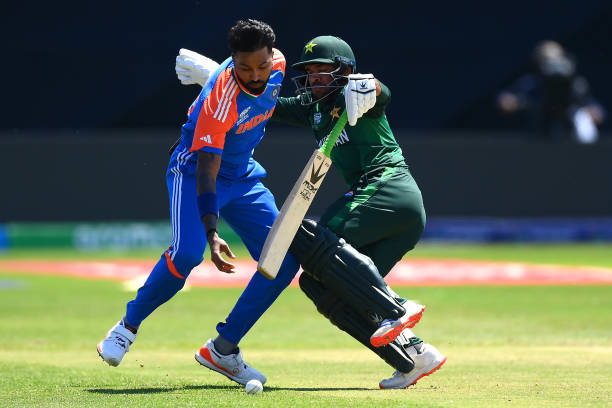
The Pakistan India boycott at the ICC Men’s T20 World Cup has become one of the tournament’s biggest talking points, not for any sports-related reasons, but because it puts cricket’s most-watched rivalry in direct conflict with politics and tournament rules. Pakistan’s government has barred the national team from playing India in the scheduled February 15 group match in Colombo, a move that the International Cricket Council has criticized as damaging to the sport.
Pakistan India Boycott: Why It Happened
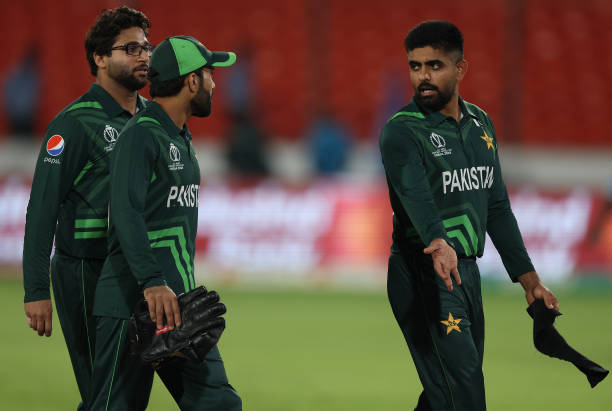
Multiple reports link the Pakistan India boycott to rising political and security tensions, including Pakistan’s claims following deadly attacks in Balochistan, which Islamabad has linked to Indian involvement, allegations New Delhi denies.
Most importantly, the boycott is not a cricketing decision by Pakistan’s players. Rather, it is a state-level call by the Pakistani government, and that distinction influences what the ICC can realistically do next.
Pakistan India Boycott: What Pakistan’s Camp Has Said
Pakistan captain Salman Ali Agha has publicly indicated the players are not driving the decision, describing it as beyond the team’s control and tied to government instruction.
What Cricket Figures Are Saying
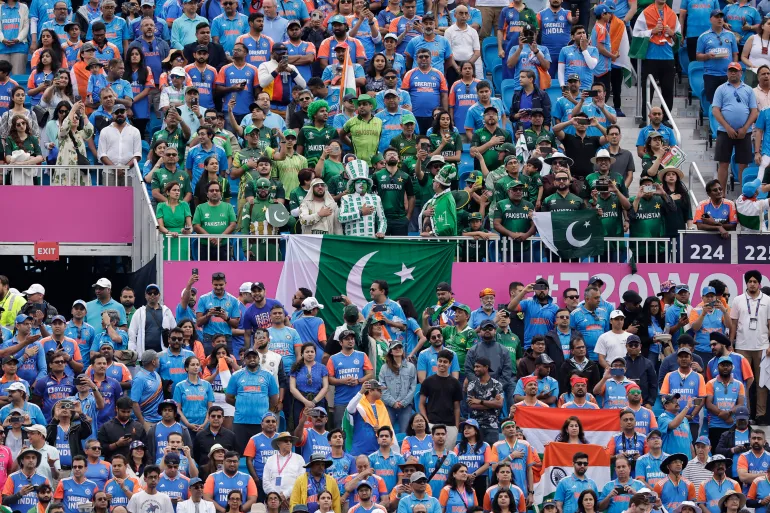
A major strand in the Pakistan India boycott has been reactions from former officials and high-profile ex-players.
- Ehsan Mani, a former ICC chairman, has argued the ICC cannot punish Pakistan for a boycott ordered by the government, pointing to precedent where India has cited government positions in cross-border cricket decisions.
- In India, former spinner Harbhajan Singh has taken a confrontational line in comments reported by NDTV, challenging Pakistan to stand by the boycott stance.
- The ICC’s own posture is that the decision runs contrary to the interests of the global game and the tournament.
This matter is therefore no longer just India versus Pakistan. It is also ICC governance and tournament integrity versus national directives and political signaling.
Likely Consequences of the Pakistan India Boycott
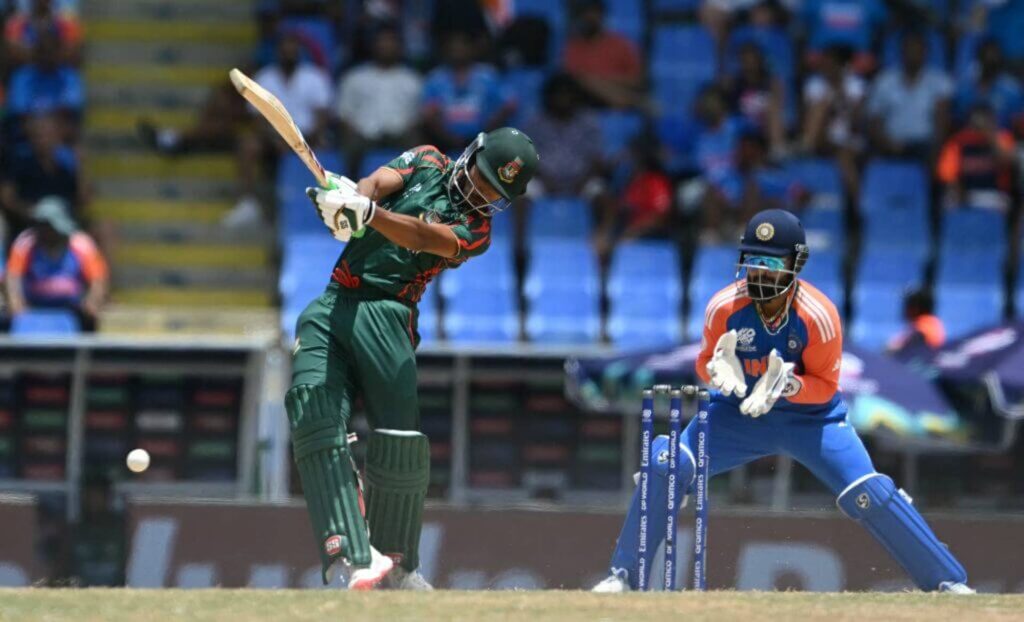
The most immediate sporting consequence of the Pakistan India boycott is the match outcome itself. A non-appearance generally creates a forfeit scenario, with points awarded accordingly, but the knock-on effects go deeper.
Key consequences being discussed include:
- Points, net run rate, and group balance
Analysts have highlighted how a boycott can distort group mathematics, including net run rate implications and tie-break complications, especially if qualification comes down to small margins. - ICC administrative pressure and precedent risk
If the ICC is seen as unable to enforce competitive integrity, it sets a precedent for future politically motivated non-participation, which weakens tournament credibility. - Financial and broadcast fallout
India versus Pakistan is a commercial pillar for cricket events. Some coverage suggests broadcasters and stakeholders could push back if the tournament loses its marquee fixture. - Knockout-stage complications
If the teams are drawn to meet again later, the same political problem could return in a higher-stakes environment, risking further disruption.
Where the Tournament Stands Right Now
For now, the story sits alongside the cricket itself as the tournament builds toward its early headline fixtures. Pakistan was cleared to take part in the competition from February 7, with the India match scheduled for February 15 in Colombo.
For now, the boycott remains a live issue because it is not just a dispute about one fixture. It is a stress test of how much control cricket’s administrators actually have when political authorities impede on the integrity and organization of the game.

2 comments
Thank you for covering this so thoroughly. It helped me a lot.
Thank you for offering such practical guidance.