Developing elite players is the foundation of sustained success in the National Hockey League. While star acquisitions and blockbuster trades often dominate headlines, the long-term strength of any franchise depends on how effectively it nurtures young prospects. Understanding how NHL teams develop young talent provides insight into the sophisticated systems that transform raw potential into professional excellence.
From grassroots hockey academies to advanced analytics programs, the pathway to the NHL is carefully structured. Modern franchises invest heavily in scouting, coaching and player welfare to ensure their future stars are prepared both physically and mentally for the demands of the league.
The Role of Hockey Academies in Player Development
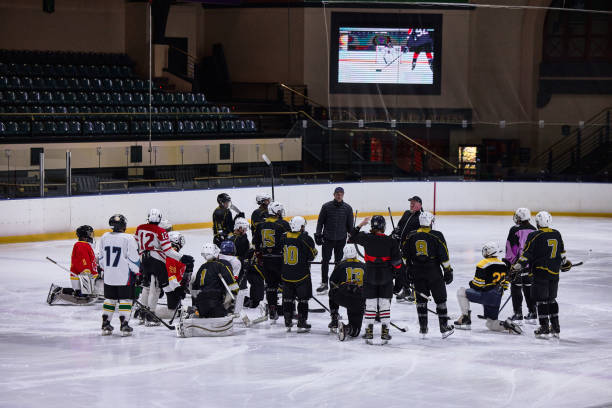
One of the most critical components in understanding how NHL teams develop young talent is the role of hockey academies. These institutions serve as the first formal step in a player’s journey, offering structured training environments that emphasize skill refinement, discipline and game intelligence.
Hockey academies operate across North America and Europe, providing elite coaching, strength conditioning and academic support. Young players are exposed to high-level competition early, which accelerates their technical growth and decision-making abilities. By the time prospects reach junior leagues, they often possess a strong foundation in skating mechanics, puck control and positional awareness.
For NHL organizations, partnerships with academies and grassroots programs allow them to track talent over several years. This long-term observation enables teams to evaluate not only performance but also character, endurance and adaptability.
Junior Hockey and the Next Stage of Growth
After academy training, many prospects progress to junior leagues such as the Canadian Hockey League or NCAA programs. This stage is essential in understanding how NHL teams develop young talent, as it represents the transition from structured youth systems to competitive professional environments.
Junior hockey exposes players to intense schedules, travel demands and high-pressure situations. Coaches at this level focus on tactical development, including systems play, defensive responsibilities and special teams execution. Players also begin to specialize in specific roles, whether as offensive catalysts, shutdown defenders or reliable depth forwards.
NHL scouts closely monitor junior competitions, assessing consistency and the ability to perform against top-tier opponents. Performance metrics and video analysis have become increasingly sophisticated, allowing teams to identify prospects who can adapt to the speed and physicality of the NHL.
The Importance of the NHL Draft
The NHL Draft is a pivotal moment in the journey of young players. Understanding how NHL teams develop young talent requires examining how franchises use the draft to secure future stars.
Teams conduct extensive scouting operations, combining live observations with statistical models and psychological profiling. Draft selections are rarely based solely on current performance. Instead, franchises project how a player’s skill set will evolve over time.
Once drafted, prospects enter development programs tailored to their individual needs. These programs may include off-ice conditioning, nutrition planning and mentorship from experienced professionals. The goal is to create a holistic pathway that maximizes each player’s potential.
Minor League Affiliates and Professional Readiness
Most drafted players spend time in minor leagues such as the American Hockey League before reaching the NHL. This phase is crucial in understanding how NHL teams develop young talent, as it bridges the gap between amateur competition and the professional stage.
Minor league affiliates operate under similar systems and tactical frameworks as their parent clubs. This alignment ensures that prospects can seamlessly transition when called up. Coaches emphasize situational awareness, physical endurance and consistency across long seasons.
Playing in the minors also allows young athletes to mature emotionally. They learn to handle setbacks, maintain discipline and adapt to the professional lifestyle. These experiences often determine whether a prospect can sustain success at the highest level.
Coaching Philosophies and Skill Development

Coaching plays a central role in shaping emerging talent. Modern NHL organizations employ specialized development coaches who focus on specific aspects of the game, including skating efficiency, puck distribution and defensive positioning.
Understanding how NHL teams develop young talent also involves recognizing the evolution of coaching philosophies. Today’s approach emphasizes creativity and adaptability rather than rigid systems. Players are encouraged to develop unique strengths while maintaining team cohesion.
Video technology and performance analytics allow coaches to provide precise feedback. Detailed breakdowns of game situations help prospects understand mistakes and refine decision-making. This analytical approach accelerates learning and fosters continuous improvement.
Strength, Conditioning and Sports Science
Physical preparation is another vital element in the development process. NHL teams invest heavily in sports science to optimize performance and reduce injury risks. Young players undergo tailored strength programs designed to enhance endurance, agility and recovery.
By integrating biomechanics and nutrition science, franchises ensure that prospects can meet the physical demands of an 82-game season. Understanding how NHL teams develop young talent requires acknowledging the importance of these scientific advancements.
Mental conditioning is equally significant. Sports psychologists work with prospects to build confidence, manage pressure and maintain focus during high-stakes competitions. This comprehensive support system prepares players for the mental challenges of professional hockey.
International Development Pathways
While North America remains a primary talent hub, international programs also contribute significantly to NHL development pipelines. European leagues provide structured environments where young players gain professional experience at earlier stages.
NHL Teams maintain global scouting networks to identify emerging talent in countries such as Sweden, Finland and Russia. This international perspective broadens the talent pool and introduces diverse playing styles into the league.
Understanding how NHL teams develop young talent on a global scale highlights the league’s commitment to inclusivity and innovation. International prospects often bring technical finesse and tactical discipline, enriching the overall competitive landscape.
The Transition to the NHL Stage

Reaching the NHL represents the culmination of years of preparation. However, the transition is rarely straightforward. Prospects must adapt to faster gameplay, stronger opponents and increased media scrutiny.
NHL Teams support this adjustment through mentorship programs, pairing young players with experienced veterans. This guidance helps newcomers navigate locker-room dynamics and maintain professionalism on and off the ice.
Understanding how NHL teams develop young talent ultimately reveals that success depends on patience and strategic planning. Franchises that invest consistently in development structures are more likely to achieve sustained competitiveness.
Conclusion
The process of nurturing future stars is complex and multifaceted. From hockey academies and junior leagues to minor league systems and advanced analytics, every stage plays a critical role in shaping elite athletes.
By examining how NHL teams develop young talent, it becomes clear that modern franchises rely on comprehensive development strategies rather than short-term solutions. The integration of coaching expertise, sports science and global scouting ensures that the next generation of players is prepared to meet the evolving demands of professional hockey.
For fans and analysts alike, understanding this developmental journey provides deeper appreciation for the dedication and innovation required to build championship-caliber teams in the NHL.
