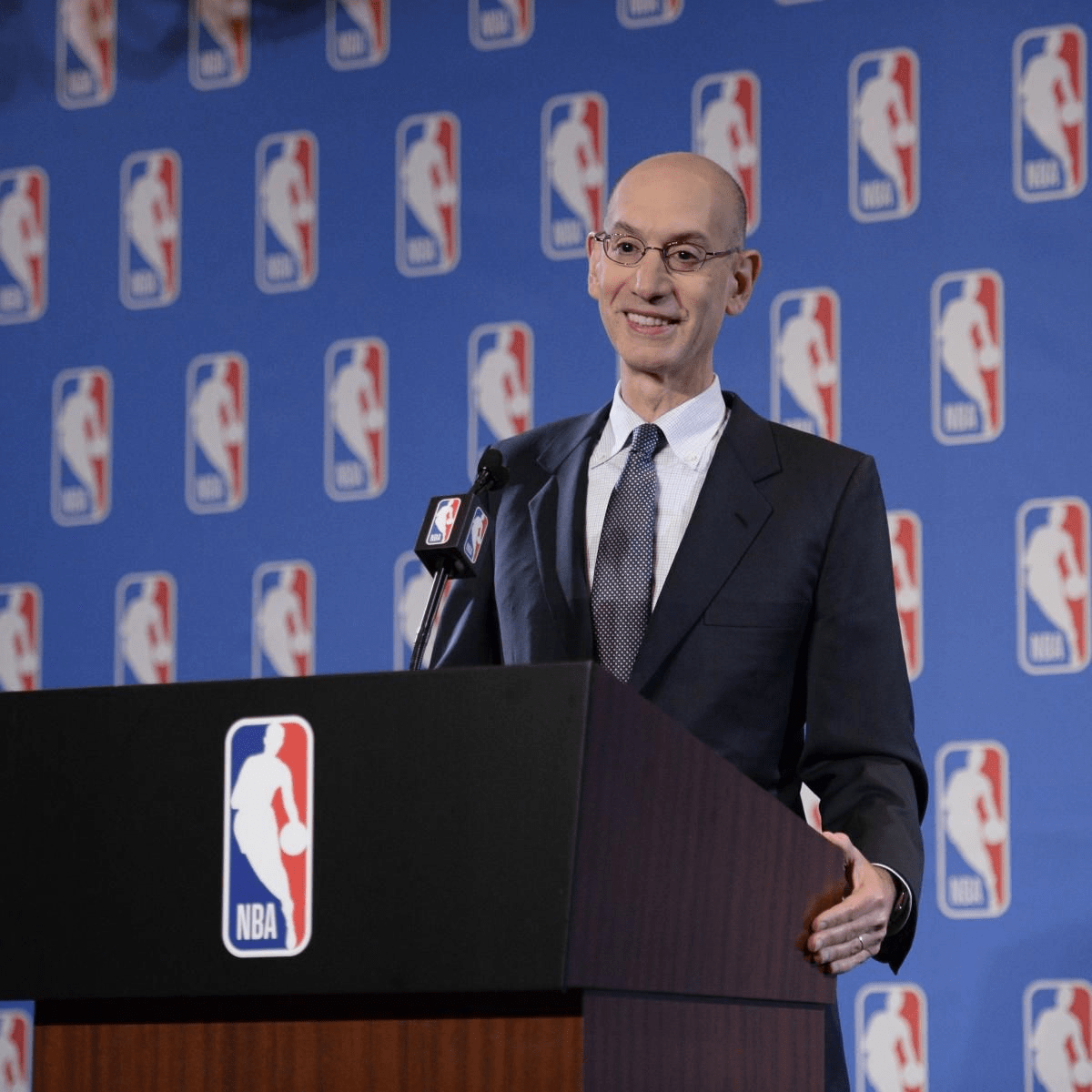
The National Basketball Association has taken a major and potentially transformative step toward reshaping its future after its Board of Governors approved the formal exploration of expansion into two high-profile cities: Las Vegas and Seattle. While this decision does not yet confirm that new teams will be added, it represents the clearest indication in years that the league is preparing for growth beyond its current 30-team structure.
This moment is significant not just for the NBA but for the broader sports landscape. Expansion has been discussed for years, often tied to rising franchise valuations, booming global popularity, and the league’s desire to tap into new markets. Now, with this official vote, the process has moved from speculation to reality. According to reports, all 30 team owners supported the move, allowing the league to begin engaging with potential ownership groups and assessing the viability of both cities.
At its core, this development reflects a league that is thriving financially and culturally. The NBA is no longer just an American sports league it is a global entertainment powerhouse. Expansion is a natural next step in that evolution, offering new opportunities for revenue, fan engagement, and competitive diversity.
Potential Ownership Groups and Big Names
Expansion has already attracted interest from high-profile investors and celebrities. There have been reports of billionaires and sports figures exploring ownership opportunities, including earlier interest from LeBron James in a Las Vegas team.
Seattle’s ownership landscape is also intriguing, with connections to existing sports organizations like the NHL’s Seattle Kraken and potential involvement from major corporate figures.
The competition for ownership rights is expected to be intense, given the financial upside and prestige associated with owning an NBA franchise.
One of the most compelling aspects of this story is the contrast between the two cities involved. Seattle represents history, tradition, and unfinished business. Las Vegas, on the other hand, represents innovation, growth, and the future of sports entertainment.
Seattle’s case is rooted in legacy. The city was once home to the Seattle SuperSonics, a franchise that played in the league from 1967 until its relocation in 2008, when it became the Oklahoma City Thunder. The departure of the SuperSonics left a lasting void, one that fans have been eager to fill ever since. Despite losing its team, Seattle never lost its passion for basketball. The city has continued to host NBA preseason games and has invested in modern infrastructure, including the renovation of Climate Pledge Arena, which now meets league standards.
The emotional pull of bringing the NBA back to Seattle cannot be overstated. For many fans, this is about more than expansion it is about redemption. It is about restoring a historic franchise and reconnecting a community with a sport that has long been part of its identity. The league is well aware of this sentiment, which is why Seattle has consistently been viewed as the leading candidate for expansion.
Las Vegas presents a very different but equally compelling narrative. Unlike Seattle, the city has never had an NBA franchise, yet it has rapidly become one of the most important sports hubs in the United States. Over the past decade, Las Vegas has successfully attracted teams in multiple major leagues, transforming its image from a gambling destination into a full-fledged sports city.
The NBA already has a strong presence in Las Vegas. The city hosts the annual Summer League, where all 30 teams participate, and has also been used as a venue for major league events such as the NBA Cup. These events have served as a testing ground, allowing the league to gauge fan interest, logistical feasibility, and commercial potential. The results have been overwhelmingly positive, reinforcing the idea that Las Vegas is ready for a permanent NBA team.
Financial considerations are also central to this expansion effort. Franchise valuations in the NBA have skyrocketed in recent years, driven by lucrative media rights deals, sponsorship agreements, and global fan engagement. As a result, expansion teams are expected to command staggering fees, with estimates ranging between $7 billion and $10 billion per franchise. This means the addition of two new teams could generate up to $20 billion in total value for the league.
This financial windfall is one of the key reasons why expansion is now being taken seriously. For existing team owners, it represents a rare opportunity to unlock massive value without sacrificing their current assets. For potential new owners, it offers entry into one of the most lucrative and prestigious sports leagues in the world.
However, the process is far from simple. The NBA has enlisted financial advisers to evaluate prospective ownership groups, arena infrastructure, and overall market viability. This vetting process is expected to take months, if not longer, as the league carefully examines every aspect of potential expansion.
If all goes according to plan, the new teams could begin play in the 2028–29 season. This timeline allows for a structured rollout, including final approvals, arena preparations, and the organization of an expansion draft.
Expansion would also bring significant structural changes to the league. With two new teams likely joining the Western Conference, the NBA would need to realign its conferences to maintain balance. This could involve moving an existing team such as the Minnesota Timberwolves or Memphis Grizzlies to the Eastern Conference. Such a shift would have ripple effects across scheduling, rivalries, and playoff dynamics.
Another critical element of expansion is the player acquisition process. New teams would build their rosters through an expansion draft, selecting players from existing teams under specific rules. While this system allows new franchises to become competitive relatively quickly, it also raises concerns about talent dilution. With more teams competing for elite players, there is a risk that the overall quality of play could be affected.
Despite these concerns, the overall outlook remains optimistic. The NBA has successfully expanded in the past, growing from a small league into a global powerhouse. The last expansion occurred in 2004 with the addition of the Charlotte Bobcats (now the Hornets), and the league has since reached unprecedented levels of popularity and profitability.
Expansion into Las Vegas and Seattle represents a continuation of that growth. It is a strategic move designed to strengthen the league’s presence in key markets while capitalizing on new opportunities for revenue and engagement.
For fans, the implications are profound. In Seattle, the return of the NBA would be a moment of celebration and closure, bringing back a team that many never stopped supporting. In Las Vegas, the arrival of a franchise would mark the beginning of a new chapter, offering fans the chance to build a basketball identity from the ground up.
Beyond these cities, expansion could also influence the league’s global ambitions. By strengthening its domestic foundation, the NBA positions itself for further international growth, whether through games, partnerships, or even future expansion beyond North America.
Ultimately, the decision to explore expansion is a reflection of confidence confidence in the league’s financial strength, its global appeal, and its ability to adapt to a changing sports landscape. While there are still many steps to complete before new teams take the court, the direction is clear.
The NBA is growing, evolving, and preparing for its next era. And if Las Vegas and Seattle are indeed chosen as its newest homes, the league will not just be adding teams it will be writing the next chapter in its history.