The Association of Tennis Professionals (ATP) has announced a significant change to its rules aimed at better protecting players from the dangers of extreme heat, with a new heat policy set to take effect starting in the 2026 season. The decision marks a major shift in how the men’s professional tennis tour handles high temperatures and aligns the ATP more closely with the approach already taken by the women’s tour and some Grand Slam events.
Under the new policy, the ATP will use the Wet Bulb Globe Temperature (WBGT) index to determine when conditions on court are too extreme. The WBGT is a measurement that takes into account not only air temperature but also humidity and solar radiation, providing a more accurate assessment of heat stress on players. If the WBGT reaches 30.1°C (86.18°F) or higher during a best-of-three set match, players will be allowed a supervised 10-minute cooling break after the second set. During this time, players can hydrate, change clothing, shower, and receive coaching if needed.
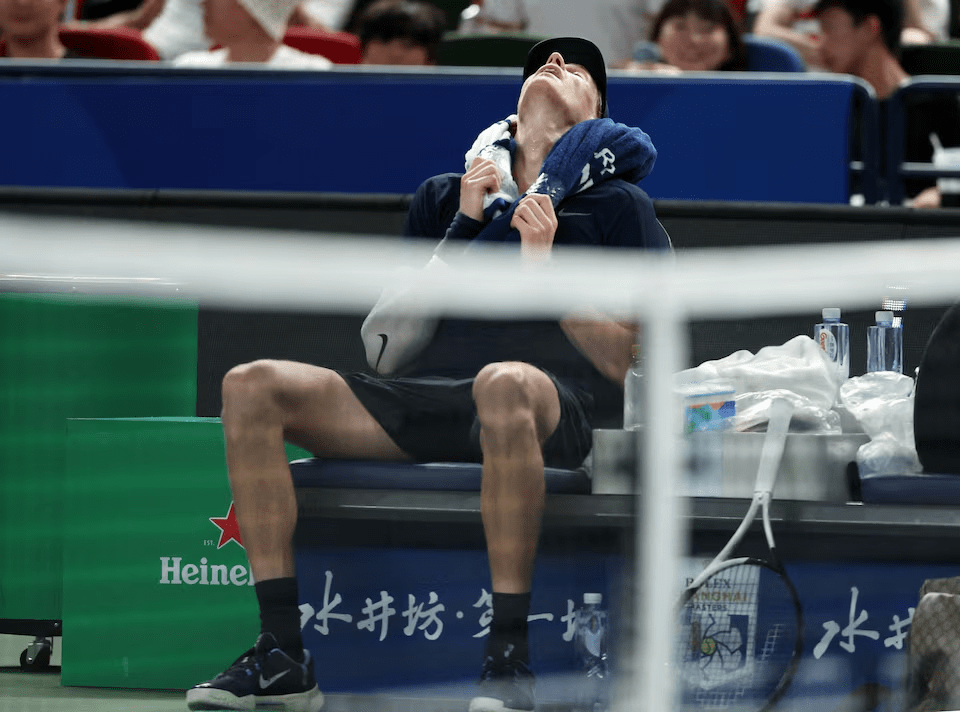
In addition to these breaks, play will be suspended if the WBGT reading reaches 32.2°C. Matches will only resume once conditions improve and the WBGT falls below a specified threshold. This provides a clear, measurable standard for tournament officials to act upon, replacing the previous discretionary system in which on-site supervisors and medical teams made individual judgments about weather conditions.
The move comes after a series of high-profile heat-related retirements and player complaints during the 2025 season, particularly at the Shanghai Masters, where soaring temperatures and humidity forced several contenders off the court. Critics had long called on the ATP to adopt a formal heat rule similar to those already in place on the women’s tour and at some Grand Slam tournaments.
Supporters of the new policy say it will enhance player safety and wellbeing, reducing the risk of heat-related illness and injury. The ATP’s decision also reflects broader concerns about rising global temperatures and the impact of extreme weather on outdoor sport. In recent years, players have struggled through matches in punishing heat, sparking debate about whether the tour should do more to protect athletes in adverse conditions.
Critically, this heat policy fills a gap that many felt was long overdue. The WTA has had an extreme heat rule for more than three decades, allowing women’s matches to be paused or modified when conditions become dangerous. By adopting a similar standard, the ATP acknowledges the unique physical challenges posed by the modern tour, where long rallies and extended matches in high temperatures can take a toll on even the fittest competitors.
The new measures are likely to be welcomed by players, coaches, and medical staff alike, as they offer a structured approach to managing extreme conditions and prioritise health without unduly disrupting competition. Tennis tournaments across the globe will need to incorporate WBGT monitoring and be prepared to implement breaks or suspensions as part of regular match operations.
Overall, the ATP’s 2026 heat policy represents an important step forward for the sport, balancing tradition with a modern understanding of player welfare and environmental challenges. As climate patterns continue to shift, establishing clear standards for heat safety on the professional tour may become increasingly important for the future of tennis.