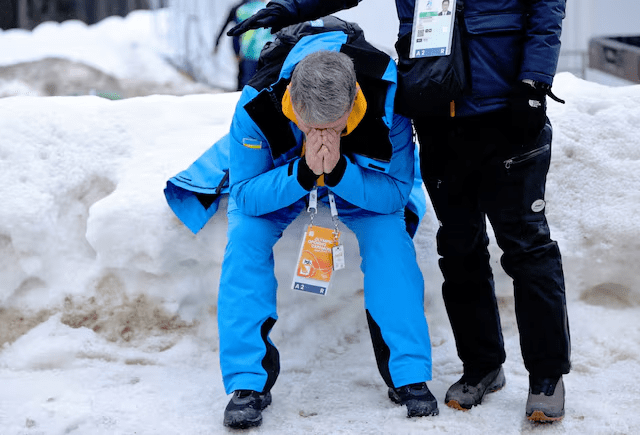
Ukrainian skeleton racer Vladyslav Heraskevych has received a significant financial boost from Rinat Akhmetov, the billionaire owner of football club Shakhtar Donetsk and prominent steel magnate, after he was disqualified from the Milan-Cortina 2026 Winter Olympics for wearing a personalised helmet honoring Ukrainian athletes killed in the war with Russia. Akhmetov donated more than $200,000 to support Heraskevych’s career and advocacy work an amount equal to the prize money typically awarded to Ukrainian Olympic gold medallists.
The 27-year-old skeleton racer was barred from competing after sporting a “helmet of memory” on the Olympic track that displayed images of more than 20 Ukrainian athletes and coaches who lost their lives amid Russia’s invasion. Olympic rules prohibit political or protest statements during competition, and race officials ruled the helmet violated those guidelines, leading to Heraskevych’s disqualification days before his event. He later lost a last-ditch appeal with the Court of Arbitration for Sport.
Akhmetov’s gesture, made through his charity foundation, is intended to both compensate the athlete for the lost opportunity and ensure he has the resources to continue training and competing while also raising awareness of Ukraine’s ongoing struggle. “Vlad Heraskevych was denied the opportunity to compete for victory at the Olympic Games, yet he returns to Ukraine a true winner,” Akhmetov said in a statement, praising the racer’s courage and expressing pride in the international respect he has earned.
The funds are earmarked to be paid to Heraskevych’s charity foundation to support his sporting career and his advocacy on behalf of Ukraine, including honoring the memory of fallen athletes and keeping their legacy alive on the world stage. Akhmetov highlighted the importance of providing resources not just for Heraskevych’s athletic pursuits but also for the broader message of freedom and truth that the helmet symbolised.
Heraskevych’s exclusion became one of the most widely reported stories early in the Milan-Cortina Olympics. After training with the helmet for several days in Italy, officials informed him shortly before competition that the design breached Olympic neutrality regulations. The International Olympic Committee (IOC) even discussed potential compromises — such as wearing a black armband or displaying the helmet before and after the race but Heraskevych declined to accept alternatives that he felt diluted the symbolic tribute to Ukrainian lives lost.
His stance drew attention and praise not only from Akhmetov but also from Ukrainian President Volodymyr Zelenskyy, who awarded him the Order of Freedom in recognition of his courage and dedication to remembering compatriots who sacrificed their lives. Many in Ukraine and abroad saw the racer’s decision to wear the helmet as a powerful act of remembrance rather than a political protest, and his comments including calling the experience “the price of our dignity” resonated with those who believe sport should not silence personal or national grief amid conflict.
The controversy sparked broader discussion about the line between personal expression and political neutrality in the Olympics. Critics argued Heraskevych was simply memorialising fallen comrades rather than engaging in a political statement, while Olympic authorities maintained that the timing and placement of such imagery on the competition field could not be permitted under existing guidelines meant to keep the Games free of overt messaging.
Heraskevych’s disqualification and Akhmetov’s subsequent support highlight how athletes from war-torn countries can become symbols of national resilience as well as sporting competitors. Although he was prevented from taking to the ice in competition, the financial award provides both recognition and practical support. It ensures he remains able to continue training for future events and represent Ukraine on the international stage, even as debates continue over the appropriateness of political expression in global sport.
Beyond the Olympic arena, Akhmetov’s support reflects a broader pattern of Ukrainian solidarity and backing from prominent figures at home, underscoring national efforts to honour those affected by the war and maintain attention on sacrifices made by athletes and civilians alike. The funds could also help offset the emotional cost of missing out on what might have been a career-defining moment for a dedicated athlete turning a moment of heartbreak into one of national affirmation and pride