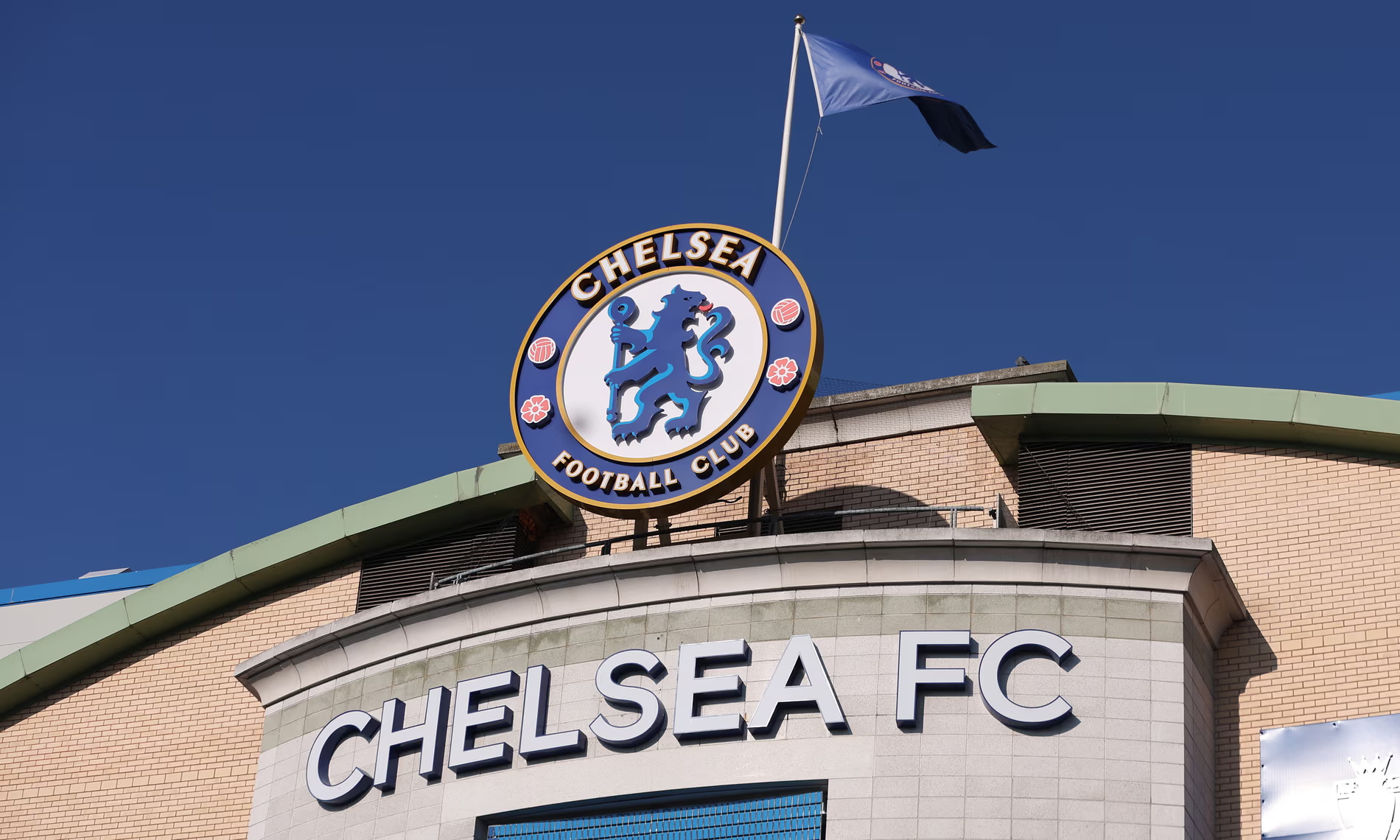
Chelsea Football Club faces a pressing decision on its stadium future, with the club needing to submit a bid for the Earl’s Court site or risk missing out on the chance to relocate. The club’s current home, Stamford Bridge, with its limited capacity of 40,343, has long been an obstacle, particularly following the 2022 takeover by Todd Boehly and Clearlake Capital. Efforts to expand Stamford Bridge have been complicated by space constraints and redevelopment challenges, leading Chelsea to consider other locations.
In recent months, Chelsea has engaged in discussions with various stakeholders who influence the future of the Earl’s Court site. While this development could potentially result in a major, multibillion-pound project, it is far from straightforward. The Earl’s Court Development Company (ECDC), which holds the plans for the site, intends to create a mixed-use development, excluding a football stadium. The public consultation for this plan has concluded, and a decision on the project’s approval from both the Hammersmith and Fulham and Kensington and Chelsea councils is expected later this year.
Chelsea’s failure to submit a bid for Earl’s Court could complicate matters should the ECDC’s application be approved. While it’s still possible for Chelsea to move forward with the site later on, sources suggest that the price of the land—estimated to be at least £500 million—would likely increase. Additionally, the club might struggle to secure political backing, as local politicians have shown a preference for ECDC’s housing proposals over a football stadium.
Navigating London’s political landscape is key for Chelsea, although some in the planning sector believe the ECDC’s ambitious plans may be too expensive to execute. However, Chelsea enjoys a degree of political support, with some local figures acknowledging that a new football stadium could stimulate the economy while also allowing for the construction of affordable housing. The club has already devised plans for a stadium at the Lillie Bridge depot, an area adjacent to Earl’s Court.
Despite these plans, Chelsea cannot proceed with serious political engagement until a formal and public declaration of interest is made. This means submitting a bid for the Earl’s Court site. The lack of movement on this front has caused frustration among some who want the club to act swiftly, with the delay reportedly linked to tensions within Chelsea’s ownership. Boehly and Clearlake, the majority stakeholders, have had strained relations, even discussing the possibility of buying each other out last year. It’s unclear when the board last convened to discuss stadium plans.

Boehly’s influence is limited, and he has indicated that any internal division over the stadium project could spell the end of his partnership with Clearlake, which has no interest in selling its stake. Clearlake is not opposed to Earl’s Court, but they want to ensure the deal makes financial and logistical sense. Boehly has suggested a vision for a multi-purpose stadium, which could host not only football matches but also other sports and concerts, offering new revenue streams for Chelsea. However, local residents may resist such a plan, with opposition likely due to concerns about increased traffic and noise.
Clearlake shares Boehly’s view that the stadium must be capable of hosting international tournaments and non-sporting events. The club remains wary of entering into a land deal due to the pressure from parties eager to sell the property. Chelsea’s key decision-makers are determined to move cautiously, ensuring they make the right choice for the long-term future of the club.
While hurdles remain, there is confidence that Chelsea’s plans to only purchase part of the site will not pose a significant issue. There are opportunities to partner with developers to build on the prime real estate in west London. Those familiar with the situation believe that moving to Earl’s Court is the most viable option, especially since there are no other available sites in the area. Redeveloping Stamford Bridge is a possibility, but it presents its own challenges, such as the stadium’s proximity to a railway line.
A partial rebuild, stand-by-stand, would be less appealing, and a complete demolition would force Chelsea to play at a temporary location for up to seven years, likely Wembley. Chelsea has not ruled out redeveloping Stamford Bridge, having acquired a 1.2-acre site next to the stadium from Stoll, a veterans’ housing charity.
However, relocating to Earl’s Court could allow Chelsea to continue playing at Stamford Bridge while their new home is being built. The risk of inaction is that the club may fall behind their rivals, many of whom have already moved into larger stadiums, including Arsenal, Tottenham, and West Ham. Liverpool has expanded Anfield, Everton is leaving Goodison Park for a new stadium, and Manchester United has announced plans to build a 100,000-seat venue.
Chelsea has declined to comment on the matter at this time.