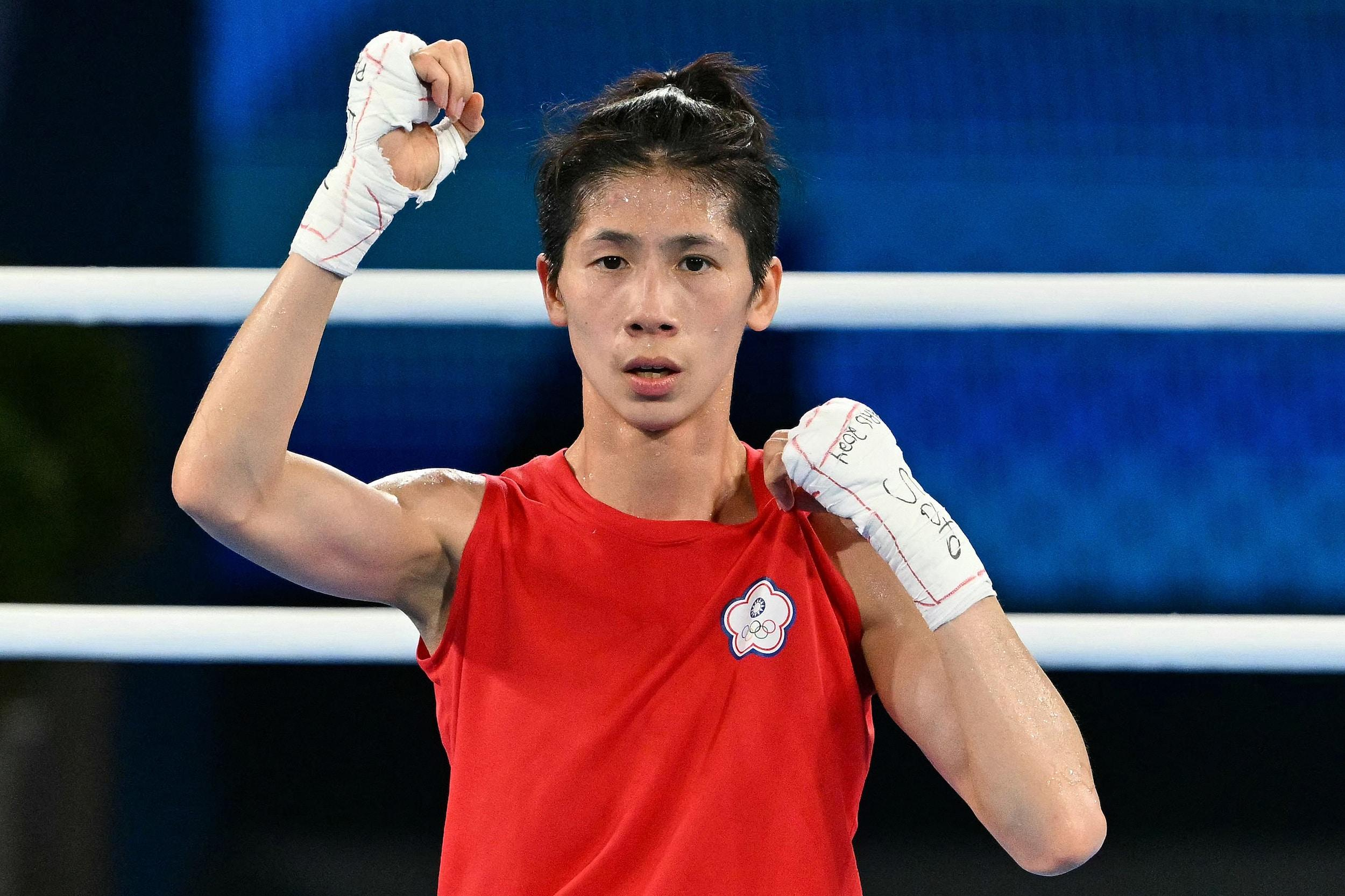
The return of Lin Yu-ting to international boxing was never going to be ordinary. When the Taiwanese star stepped back into the ring at the Asian Boxing Elite Championships in Mongolia, she carried more than just competitive ambition—she bore the weight of controversy, expectation, and a long absence from the sport’s biggest stages.
Her bronze medal finish, achieved after a semi-final loss, may not have matched the gold medal heights of the 2024 Paris Olympics, but it represented something arguably more significant: resilience, validation, and a renewed path forward in a career shaped by both triumph and turbulence.
A Return Years in the Making
For many athletes, a return to competition after a break is simply about regaining form. For Lin, it was far more complex.
After winning Olympic gold in Paris in the women’s 57kg division, her career trajectory was abruptly interrupted by a gender-eligibility controversy that sparked global debate. New regulations introduced by World Boxing required mandatory sex testing for female athletes, creating uncertainty around eligibility and participation.
Rather than immediately comply, Lin chose to step away from competition, skipping major events including the world championships. Her absence left a noticeable gap in international boxing, particularly given her status as one of Asia’s top fighters.
It wasn’t until early 2026, after an appeal by Taiwan’s boxing federation, that clarity emerged. World Boxing officially cleared her to compete in the women’s category, paving the way for her return at the Asian Championships.
That decision did more than allow Lin to fight again it restored her place in the sport.
Mongolia Stage: A New Chapter Begins
The Asian Boxing Elite Championships in Ulaanbaatar became the setting for Lin’s comeback. Competing in the 60kg division a step up from her Olympic category she faced not only new opponents but also new tactical challenges.
Her journey through the tournament showcased both promise and rust. Advancing to the semi-finals, Lin ultimately lost to North Korea’s Won Un Gyong, settling for bronze.
While the result might appear modest on paper, context is everything. This was her first international appearance since 2024, and it came after months of uncertainty, limited competition, and the need to adjust to a heavier weight class.
Her coach acknowledged these hurdles, noting that the move to 60kg introduced unfamiliar fighting styles and strategies.
In many ways, the bronze medal symbolized a successful re-entry rather than a missed opportunity.
The Weight of Controversy
Lin’s comeback cannot be understood without examining the controversy that preceded it.
The gender-eligibility debate that surrounded her Olympic victory placed her at the center of a wider global conversation about fairness, inclusion, and the evolving science of sport. Alongside other athletes, she became a focal point in discussions that often extended beyond boxing into politics and culture.
The introduction of stricter policies by World Boxing, including genetic testing requirements, was intended to ensure competitive integrity. However, it also raised concerns about privacy, ethics, and the treatment of athletes.
For Lin, the experience was deeply personal. Her absence from competition was not due to injury or decline, but to regulatory uncertainty—an unusual and challenging situation for any elite athlete.
Her eventual clearance marked not just a procedural victory, but a personal one.
Adapting to a New Division
One of the most significant aspects of Lin’s return was her transition from the 57kg to the 60kg weight class.
This shift brought several challenges:
- Stronger opponents with greater punching power
- Different pacing and rhythm in bouts
- New tactical demands requiring adjustments in style
Her semi-final loss highlighted these differences. Despite a competitive performance, she was edged out by a more aggressive opponent whose style influenced the judges’ scoring.
Yet, adaptation takes time. For an athlete returning after a long break, competing in a new division is as much about learning as it is about winning.
Her coach emphasized this perspective, describing the tournament as an opportunity to observe, analyze, and grow.
The Mental Battle Behind the Physical One
Elite sport is as much psychological as it is physical, and Lin’s journey underscores this reality.
Returning after controversy requires:
- Rebuilding confidence
- Managing public scrutiny
- Refocusing on performance
Unlike injuries, which are tangible and measurable, the challenges Lin faced were largely intangible. Navigating media narratives, public opinion, and institutional decisions adds a layer of complexity that few athletes experience.
Her ability to step back into the ring and perform at a medal-winning level speaks to remarkable mental resilience.
Taiwan’s Sporting Pride
Lin’s achievement also carries national significance. As Taiwan’s first Olympic boxing gold medalist, she holds a special place in the country’s sporting history.
Her bronze medal at the Asian Championships contributes to Taiwan’s medal tally and reinforces its presence in international boxing.
Beyond medals, her story resonates with fans as one of perseverance and determination. In a region where boxing continues to grow, role models like Lin play a crucial role in inspiring the next generation.
Lessons from the Comeback
Lin’s return offers several broader lessons for the world of sport:
1. Resilience Defines Greatness
Success is not only about winning titles, but also about overcoming adversity. Lin’s journey demonstrates that setbacks can be stepping stones rather than endpoints.
2. Policy and Athletes Must Align
Regulatory frameworks are essential, but they must balance fairness with respect for athletes. Clear communication and transparent processes are key to avoiding unnecessary disruption.
3. Adaptation Is Essential
Whether it’s a new weight class or a changing competitive landscape, adaptability remains one of the most important traits for elite athletes.
Eyes on the Asian Games
Despite the bronze medal finish, Lin’s focus is already on the future. Her next major target is the Asian Games in Nagoya, Japan—a stage that offers both redemption and opportunity.
Her coach has indicated that the Asian Championships were only the beginning, a chance to rebuild form and identify areas for improvement.
If she can successfully adapt to the 60kg division and regain peak condition, she remains a strong contender on the continental stage.
Boxing at a Crossroads
Lin’s story also reflects broader changes within boxing.
The sport is undergoing a period of transformation, with new governing bodies, evolving rules, and heightened scrutiny over fairness and safety. Issues like gender eligibility are likely to remain central to discussions in the years ahead.
Athletes like Lin are navigating this shifting landscape in real time, balancing personal ambitions with institutional changes.
Her comeback highlights both the challenges and opportunities of this new era.
Final Bell: More Than a Medal
In the end, Lin Yu-ting’s bronze medal at the Asian Boxing Elite Championships is about more than podium placement.
It represents:
- A return after uncertainty
- A statement of resilience
- A foundation for future success
For fans, it is a reminder that sport is not just about results, but about stories stories of struggle, perseverance, and redemption.
As Lin continues her journey, her comeback will stand as a defining chapter in her career, one that underscores the true meaning of competition: not just to win, but to endure, adapt, and rise again.