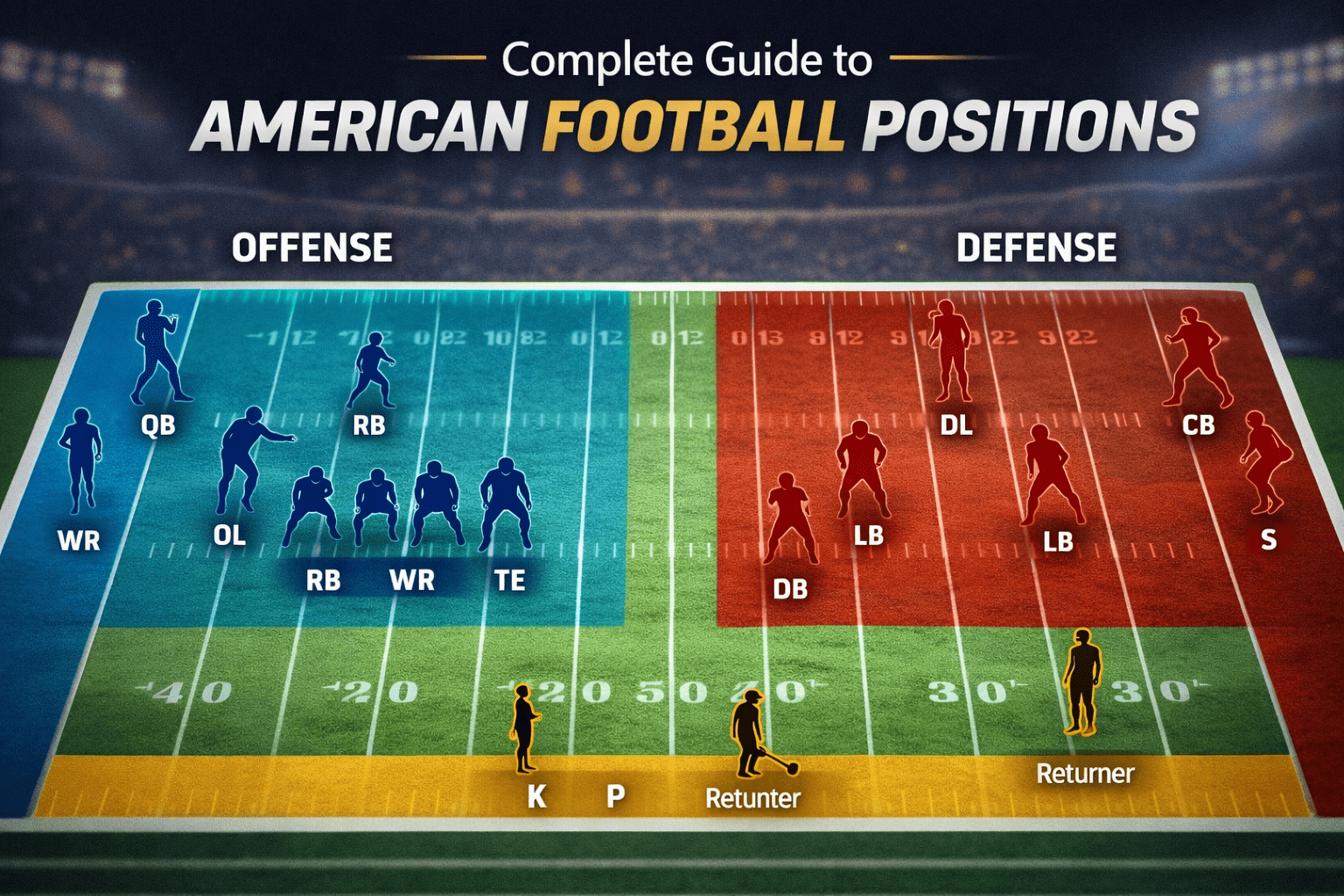
American football positions is essential in understanding and enjoying the sport. Understanding how teams function on the field begins with knowing the roles each player performs. While American football and rugby share historical roots, they have evolved into distinct sports with unique tactical systems and positional responsibilities. This complete guide explains American football positions while also clarifying how they compare with rugby roles, giving readers a comprehensive understanding of structure, tactics, and strategic importance.
For fans, players, or analysts, mastering the fundamentals of positional play is essential to appreciating the complexity of modern gridiron football and rugby union.
American football positions: Offensive roles
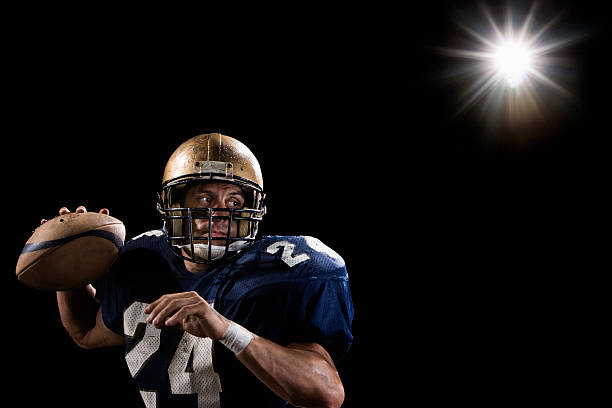
Offensive players are responsible for advancing the ball and scoring points. In American football, offensive units are highly specialized, with each position performing precise tasks within structured plays.
Quarterback (QB)
The quarterback is the central figure in offensive strategy. Responsible for calling plays, reading defensive formations, and distributing the ball through passing or handoffs, the quarterback’s decision-making ability defines a team’s attacking efficiency. Elite quarterbacks combine arm strength, accuracy, mobility, and tactical intelligence. Modern systems also demand leadership qualities, as quarterbacks often serve as on-field generals coordinating tempo and execution.
Running Back (RB)
Running backs provide ground-based attacking momentum. Their responsibilities include carrying the ball, blocking defenders, and acting as receivers in short passing plays. Speed, agility, vision, and physical resilience are critical attributes. Variations include halfbacks, known for explosive runs, and fullbacks, who often specialize in blocking and short-yardage power plays.
Wide Receiver (WR)
Wide receivers stretch defenses vertically and horizontally by running precise routes and catching passes. Their role is essential in modern pass-heavy offenses. Athleticism, acceleration, and spatial awareness allow receivers to exploit defensive gaps. Elite receivers influence defensive schemes, often drawing double coverage that creates opportunities for teammates.
Tight End (TE)
Tight ends combine the responsibilities of blockers and receivers. Positioned near the offensive line, they contribute to both run protection and passing plays. Tactical versatility makes tight ends valuable in dynamic formations, especially in play-action systems where deception is key.
Offensive Line (OL)
The offensive line consists of five players: left tackle, left guard, center, right guard, and right tackle. Their primary role is to protect the quarterback and create running lanes. Success in offensive football often depends on line cohesion, strength, and communication. Without effective line play, even the most talented skill players struggle to perform.
NEXT: Read more about American Football positions here.
American football positions: Defensive roles
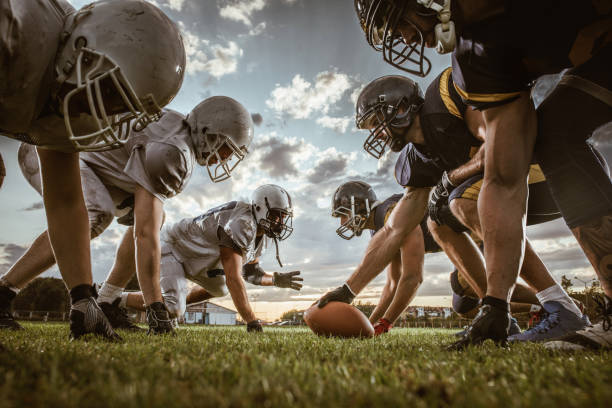
Defensive players aim to prevent the opposing team from scoring. Modern defensive systems rely on adaptability, combining physicality with tactical awareness.
Defensive Line (DL)
Defensive linemen engage directly with offensive blockers to disrupt plays. Defensive tackles focus on stopping the run and collapsing the pocket, while defensive ends specialize in pass rushing. Elite defensive linemen can single-handedly alter game outcomes by forcing turnovers or sacks.
Linebackers (LB)
Linebackers serve as defensive coordinators on the field. Positioned behind the defensive line, they balance run defense, pass coverage, and blitzing responsibilities. Middle linebackers often act as defensive leaders, reading plays and adjusting formations in real time.
Cornerbacks (CB)
Cornerbacks defend against wide receivers, covering deep passing routes and contesting aerial plays. Speed, anticipation, and technique define success at this position. Modern football places immense tactical importance on cornerbacks due to the prevalence of passing offenses.
Safeties (S)
Safeties provide the final layer of defensive protection. Free safeties focus on pass coverage, while strong safeties contribute to run defense and short-zone coverage. Their positioning ensures defensive stability, especially against explosive plays.
American football positions special team roles
Special teams operate during kickoffs, punts, and field-goal attempts. Though often overlooked, these units influence field position and scoring opportunities.
Kicker and Punter
The kicker handles field goals and kickoffs, requiring accuracy and composure under pressure. Punters focus on strategic ball placement to control territorial advantage.
Return Specialists
Kick and punt returners aim to gain significant yardage after receiving the ball. Speed, agility, and decision-making are crucial, as a single return can shift momentum dramatically.
Comparing American football and rugby positions
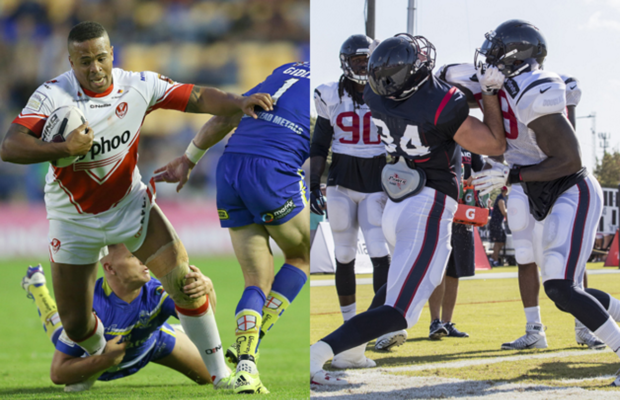
While American football positions are highly specialized, rugby positions emphasize versatility. Rugby forwards resemble offensive and defensive linemen in physicality, while backs mirror skill positions such as running backs and wide receivers. However, rugby players typically perform both attacking and defensive duties continuously, unlike the segmented structure of American football.
Understanding these differences highlights the tactical evolution of both sports. American football positions and positioning prioritizes structured, play-based execution, whereas rugby emphasizes fluid movement and endurance.
Tactical evolution of positional play
Over time, positional roles in American football have evolved significantly. Modern offenses incorporate hybrid players capable of fulfilling multiple responsibilities. For example, dual-threat quarterbacks combine passing excellence with rushing ability, while versatile linebackers adapt to complex coverage schemes.
Similarly, defensive systems now rely on situational substitutions, emphasizing speed and adaptability. Analytics and data-driven strategies have further refined positional specialization, shaping recruitment and training methodologies across professional leagues.
Why positional understanding matters
A clear grasp of American football positions enhances tactical appreciation and viewing experience. Recognizing how formations, matchups, and strategic adjustments influence outcomes allows fans to interpret games beyond surface-level action.
For aspiring players, positional knowledge guides skill development and career pathways. Coaches, analysts, and scouts also rely on positional frameworks to evaluate performance and design competitive systems.
Conclusion
American football and rugby share foundational similarities yet diverge in structure and tactical philosophy. This complete guide to American football positions demonstrates how specialization, strategy, and athleticism combine to define modern gameplay.
From quarterbacks orchestrating offensive drives to defensive safeties preventing game-changing plays, each position contributes to the sport’s complexity and excitement. By understanding positional responsibilities and tactical evolution, fans and players alike gain deeper insight into one of the world’s most strategically demanding sports.
