39
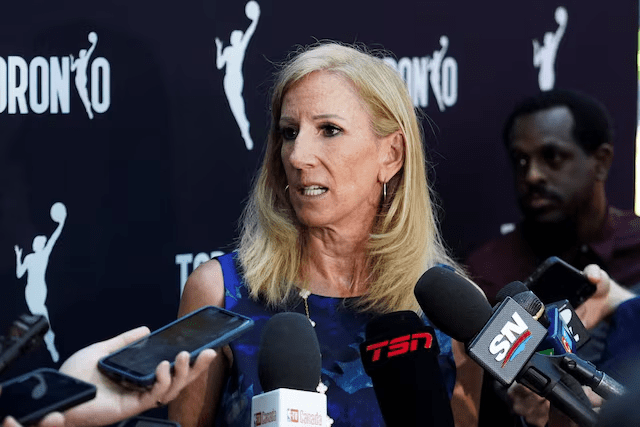
WNBA Commissioner Cathy Engelbert has publicly acknowledged that the league must improve how it treats and listens to its players, following pointed criticism from Lynx forward and Players’ Union vice president Napheesa Collier.
What led up to it
- Collier sharply criticized the WNBA in an exit interview after her team’s semi-final loss, characterizing leadership as “tone-deaf” and “dismissive.” She specifically pointed out issues around officiating, player safety, and what she perceives as a lack of respect for players’ input from the league office.
- Some of Collier’s allegations included that Engelbert said players should be “on their knees thanking their lucky stars” for the media rights deal, and that stars like Caitlin Clark should feel grateful for the exposure the league provides. Engelbert denies having said those remarks.
What Engelbert said in response
- She expressed being “disheartened” that some players feel the league or she personally don’t care about or listen to them. She stated that if players don’t feel appreciated and valued, then “we have to do better and I have to do better.”
- Engelbert emphasized her respect for the players, and said she wants to “repair trust” as negotiations for the new collective bargaining agreement (CBA) are underway.
- She announced the formation of a “state of the game” committee/task force that will include players and other stakeholders to address officiating, player safety, and other concerns.
- She reaffirmed that salary increases and improved benefits are priorities in the new CBA, but also emphasized ensuring long-term financial viability for the league.
Why this matters
- The timing is crucial: the current CBA expires on October 31, 2025. Players are pushing for more structural change in contracts, officiating, safety, benefits, and transparency.
- The criticism reflects a broader sentiment among several players that despite increased visibility, rising stars, and revenue gains, some foundational issues remain unaddressed.
- Establishing processes like the “state of the game” committee could represent a concrete step in making players’ voices part of decision-making, particularly around officiating and how games are managed.