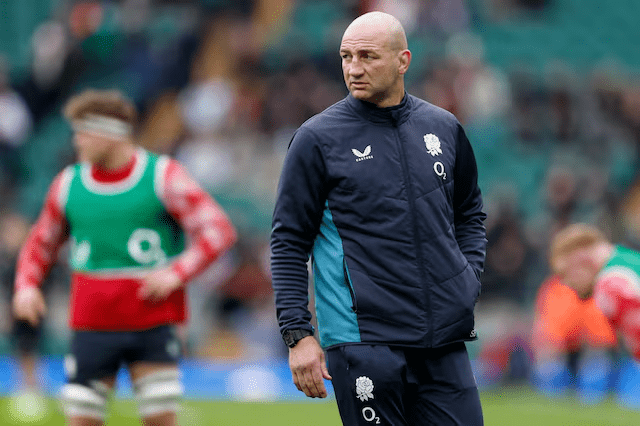
England head coach Steve Borthwick has elected to make a sweeping transformation of his starting XV for Saturday’s Six Nations test against Italy national rugby union team, with a near-total revamp of the back line after consecutive defeats to Scotland and Ireland. The result is one of the boldest selection shake-ups in recent England history, with only one back-line starter from the Ireland game retained in a different role.
A New Look in the Back Three and Half-Backs
England have completely re-imagined their backs at the Stadio Olimpico:
- Fin Smith returns at fly-half, replacing veteran George Ford who has been dropped following an underwhelming outing against Ireland. Smith is entrusted with directing a back line that has barely played together.
- In midfield, the only survivor from the last game, Tommy Freeman, shifts from the wing to outside centre, where he partners Seb Atkinson — making only his second England start.
- The back three are brand-new: Cadan Murley, Tom Roebuck and Elliot Daly complete a trio that has never started together in Test rugby.
This back-line overhaul is designed to inject fresh ideas and unpredictability into England’s attack after a challenging campaign left them outside title contention.
Forwards Also Shifted, But Pack Includes Experience
While the most eye-catching changes have been in the backs, several alterations have also been made in the forwards:
- Maro Itoje remains captain and leads a second row featuring Alex Coles.
- The hooker role sees Jamie George restored to the starting XV.
- Ben Earl, a dynamic presence at number eight, earns his 50th cap, underscoring his value to the squad.
- Tom Curry shifts around the back row, and Guy Pepper replaces Henry Pollock after Pollock drops to the bench.
England’s forward unit retains some continuity, but the changes hint at Borthwick’s desire to balance fresh energy with seasoned leadership.
What This Means for England’s Six Nations Hopes
This selection gambit comes in the aftermath of back-to-back Six Nations defeats 31-20 to Scotland and a 42-21 loss to Ireland — that effectively ended England’s bid for the championship. Those results prompted serious introspection within the squad and coaching staff, leading to one of the most radical responses seen in the tournament’s modern era.
Making nine changes including an entirely new configuration behind the scrum marks a notable departure from normal Six Nations continuity, where coaches often prioritise consistency. But Borthwick appears convinced that reshaping personnel and combinations is the best chance to restore confidence and spark a much-needed performance boost in Rome.
Fresh Legs, Fresh Chance — Or Risky Break From Stability?
Not everyone is sold on the overhaul. Some rugby analysts and supporters have described the mass reshuffle as a gamble, especially given that the new back line will have little to no Test experience together. Given England sit fourth in the tournament with two rounds left, a victory over Italy is practically essential to end the campaign on a positive note.
The decision to drop established names like George Ford, Freddie Steward and Fraser Dingwall in favour of newcomers or returning players also underscores how much pressure Borthwick feels to alter results quickly.
Italy’s Rising Challenge
While England have dominated this fixture historically, winning all 32 previous encounters, this year’s Italian side coached by Gonzalo Quesada is regarded as one of their strongest since joining the Six Nations. For Italy, the Rome test represents a chance to claim a memorable victory and build momentum.
With England fielding a restructured line-up and Italian confidence on the rise, the stage is set for a compelling showdown that could defy expectations.
Looking Ahead to Saturday’s Kick-Off
England’s revamped back line will carry the hopes of a resurgent campaign when they take the field at the Stadio Olimpico in Rome this weekend. The tactical tweaks and personnel changes suggest Borthwick wants to unlock creativity and tempo but the cohesion of this new unit will be tested against a spirited Italian outfit hungry to make history.
Whether this wholesale shake-up pays off or adds further questions to England’s strategy remains to be seen, but in the unpredictable theatre of Six Nations rugby, bold moves often define key turning points in a season.