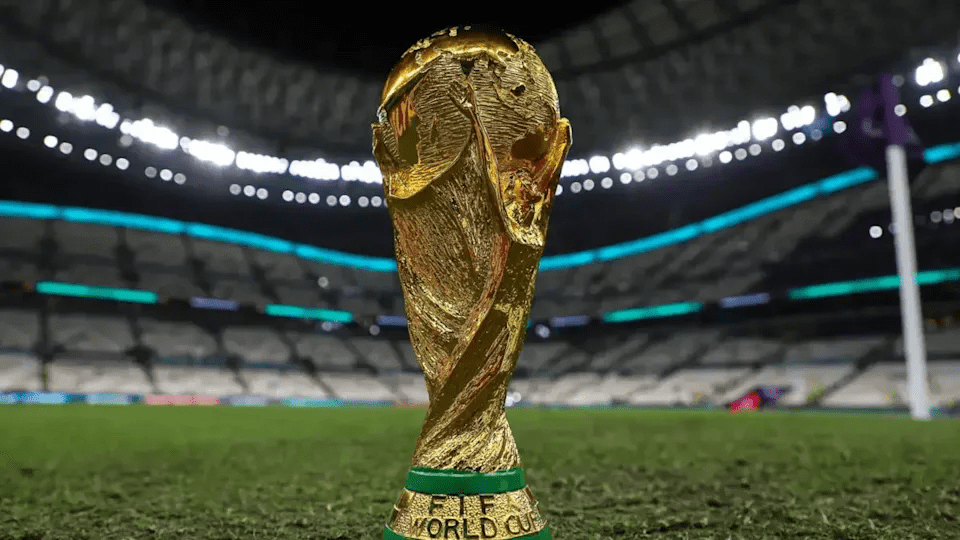
FIFA have officially confirmed a set of World Cup new rules that could significantly reshape how matches are managed at the biggest tournament in football.
With concerns around time-wasting, simulation, tactical delays and controversial officiating decisions, these new rules are designed to increase match flow, improve fairness and enhance the use of VAR technology.
Here is a full breakdown of the major changes set to be implemented.
World Cup New Rules on Substitutions and Delays
One of the most eye-catching World Cup new rules involves substituted players.
From now on, any player being replaced will have just 10 seconds to leave the pitch. If the outgoing player exceeds that time limit, the substitute must wait at least one full minute before being allowed to enter the field.
The rule is clearly aimed at preventing tactical time-wasting late in games, particularly when teams are protecting narrow leads. In previous tournaments, players often walked slowly off the pitch to burn precious seconds. Under these rules, such delays will now carry immediate consequences.
This change alone could dramatically alter how managers approach substitutions in high-pressure knockout matches.
Medical Assistance Rule in World Cup New Rules
Another significant update in the World Cup new rules addresses players requesting medical treatment on the field.
If a player calls for medical assistance during open play, he must now leave the pitch for one minute after treatment is administered. Exceptions can be made in certain situations, but the standard protocol will require a temporary exit.
This rule is designed to reduce instances where players exaggerate injuries to disrupt momentum or waste time. By forcing a one-minute absence, the World Cup new rules create a natural deterrent against simulation while still allowing genuine injuries to be treated safely.
It is a move that could reduce controversial stoppages and keep the tempo of matches high.
Five-Second Countdown to Combat Time-Wasting
Perhaps the boldest of the new rules introduces a strict five-second countdown for throw-ins and goal kicks.
If the referee believes a team is deliberately delaying the restart of play, a visible or verbal five-second count will begin. If the ball is not put back into play within that time:
- A throw-in will be awarded to the opposition.
- A delayed goal kick will result in a corner kick for the opposing team.
This aspect of the World Cup new rules is expected to have immediate impact. Goalkeepers and full-backs frequently slow the game down in tight contests. Now, such tactics could directly gift the opposition an attacking opportunity.
In knockout matches, where margins are razor-thin, a forced corner kick could prove very crucial.
Expanded VAR Powers in World Cup New Rules
Technology also plays a larger role under these updated rules.
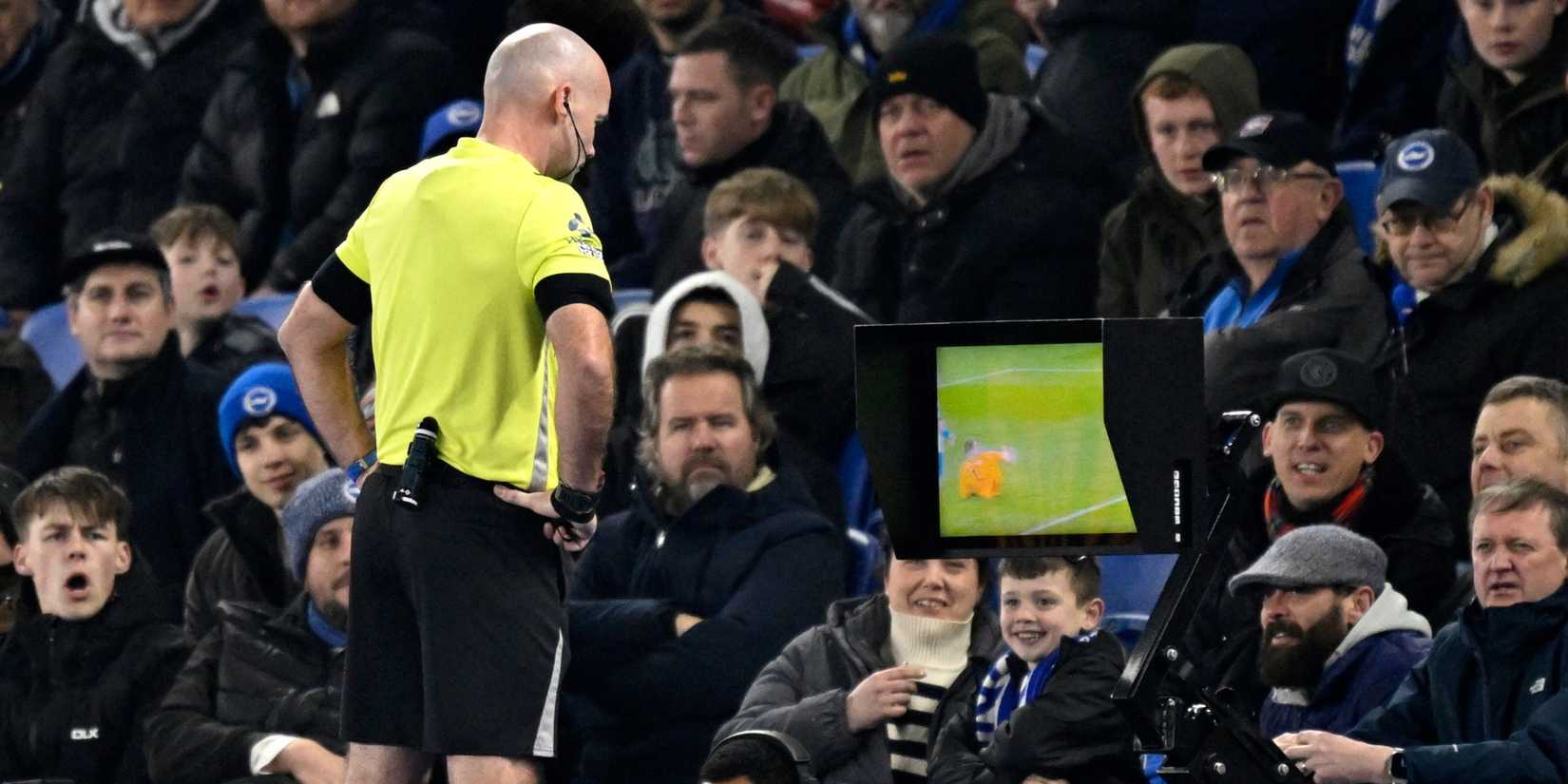
VAR will now be permitted to review second yellow cards and corner-kick decisions if it detects a clear mistake.
Previously, second yellow cards were not reviewable by VAR, leading to situations where players were sent off for questionable decisions without video intervention. Under the updated World Cup new rules, referees will have an added safety net in these critical moments.
Allowing VAR to review corner-kick decisions could also prevent clear officiating errors that lead directly to goals.
The expansion of VAR authority reflects FIFA’s ongoing attempt to balance human officiating with technological support.
What These World Cup New Rules Mean for the Tournament
The introduction of these new rules signals FIFA’s intent to speed up play, punish gamesmanship and reduce officiating controversy.
Managers will need to rethink late-game strategies. Players will be forced to act quicker on restarts. Medical stoppages will carry tactical risk. And referees will operate with greater technological backing.
At a tournament where every decision can define careers and shape history, these adjustments could have far-reaching consequences.
As the countdown to kickoff continues, one thing is certain: these rules will be under intense scrutiny from players, managers and fans alike.
Whether they enhance the spectacle or spark fresh debate remains to be seen. But the message from FIFA is clear, the game must move faster, fairer and with greater accountability than ever before.
