
A former assistant football coach for the Baltimore Ravens and the University of Michigan is facing serious charges in a case that has shocked the sports community and raised important concerns about privacy violations in the digital age. Matt Weiss, who served as an assistant coach for the Ravens and a co-offensive coordinator for the Michigan Wolverines football team, appeared in federal court on Monday, entering a not guilty plea to charges related to hacking and identity theft. This case, which involves the unlawful access of personal information from thousands of college athletes, highlights growing concerns around digital security and privacy, particularly regarding high-profile individuals in sports.
The Allegations Against Matt Weiss
The charges against Weiss stem from a multi-year period, starting in 2015 and extending into early 2023, during which he allegedly gained unauthorized access to the private computer accounts of athletes from over 100 colleges and universities. The indictment, which was filed just days before his court appearance, outlines a disturbing pattern of Weiss hacking into databases managed by Keffer Development Services, a third-party vendor that handled data for a vast number of universities. These actions reportedly allowed Weiss to access personal and medical information of more than 150,000 student-athletes.
Weiss’s primary objective, according to the indictment, was to acquire intimate and private images, focusing predominantly on female college athletes. The indictment asserts that he targeted these individuals by researching their athletic history, school affiliation, and physical characteristics. Weiss then allegedly proceeded to hack into their social media accounts, email accounts, and cloud storage systems, ultimately gaining access to the personal data of more than 2,000 athletes and 1,300 alumni from various schools across the United States.
This calculated breach of privacy has shocked many, especially in light of the sensitive nature of the images and personal information that were accessed. The indictment emphasizes that the photographs and videos Weiss sought were never intended to be shared publicly or with anyone beyond intimate partners, further aggravating the offense.
Weiss’s Career and Termination
Matt Weiss had a prominent career in football, both at the collegiate and professional levels. He spent over a decade in various coaching roles with the NFL’s Baltimore Ravens before joining the University of Michigan in 2021. At Michigan, Weiss served as the co-offensive coordinator during a highly successful 2022 season, where the Wolverines achieved a 13-1 record and played in the College Football Playoff.
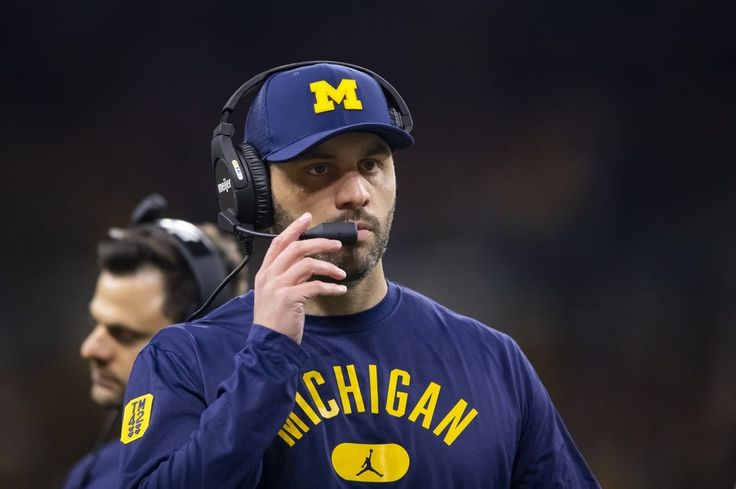
Despite his success on the field, Weiss’s tenure at Michigan was marred by controversy. In January 2023, Weiss was fired by the university after an internal investigation found that he had failed to cooperate with an inquiry into his conduct. This dismissal came shortly after Michigan officials became aware of the allegations against Weiss related to the hacking of athletes’ personal information.
Lawsuit Filed Against the University of Michigan
In addition to the criminal charges Weiss is facing, the case has prompted civil action. A class-action lawsuit was filed against the University of Michigan on Friday, claiming that the institution failed to adequately supervise and monitor Weiss, leading to the violation of privacy for thousands of individuals. The lawsuit was filed on behalf of a former female gymnast and a former women’s soccer player, who argue that the university’s negligence allowed Weiss to carry out his illegal activities unchecked.
Attorney Parker Stinar, who is representing the plaintiffs, stated that the university “failed in its duty to protect students from the violation of their privacy,” resulting in the exposure of private and intimate images. While the university has yet to comment on the lawsuit, the case is likely to add further scrutiny to the institution’s oversight policies, particularly in relation to its staff members and their access to sensitive information.
The Broader Implications of the Case
This case raises several significant questions about privacy in the digital age, especially when it comes to the intersection of technology and athletics. The hacking of personal accounts, particularly those containing intimate images, has become an increasingly common concern for individuals in the public eye, including athletes, entertainers, and public figures. However, the scale and duration of Weiss’s alleged actions—spanning nearly eight years and affecting hundreds of athletes—make this case particularly troubling.
For many athletes, especially women, the case highlights the vulnerabilities they face when their personal and private information is stored in digital databases. The trust placed in third-party vendors, like Keffer Development Services, is being called into question, as is the role of universities in protecting their students’ privacy. Universities may now face increased pressure to reassess their data security policies and ensure that all personnel, including coaches, have appropriate levels of supervision and oversight.
Moreover, this case is a stark reminder of the potential harm caused by breaches of privacy, especially when intimate images are involved. The emotional and psychological toll on the affected athletes cannot be overstated, and many advocates are calling for stricter laws and regulations surrounding the storage and access to sensitive personal data.
Conclusion
The criminal case against Matt Weiss and the accompanying civil lawsuit against the University of Michigan serve as important reminders about the intersection of privacy, technology, and athletics. As the case continues to unfold, it is likely that more details will emerge about the full extent of the hacking scheme and the legal ramifications for those involved. Meanwhile, universities, athletes, and the general public will continue to grapple with the ongoing challenges of protecting privacy in an increasingly digital world. The legal and ethical questions raised by this case are far from resolved and will undoubtedly shape discussions about privacy and data security in the years to come.