Ghana Football Federation’s decision to sack Otto Addo just 72 days before the World Cup has sent shockwaves through African football, raising serious questions about preparation, timing, and the direction of the Black Stars heading into the biggest tournament in the sport.
With the World Cup fast approaching, Ghana now find themselves in a race against time, not just to appoint a new manager, but to rebuild confidence after a string of disappointing performances.
Ghana Sack Otto Addo After Disappointing Results
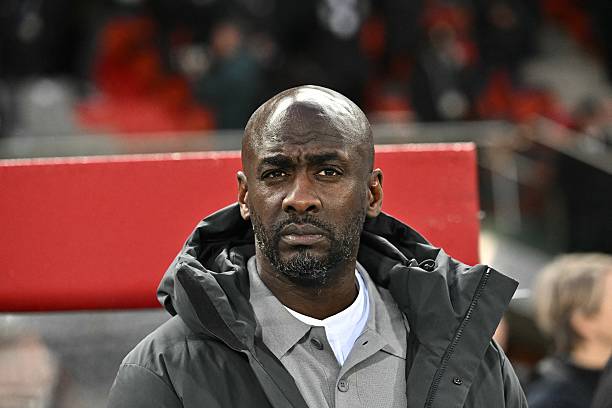
The move to sack Otto Addo came immediately after a difficult international window that exposed the team’s vulnerabilities. A 5-1 defeat to Austria in Vienna was followed by a 2-1 loss to Germany in Stuttgart, extending Ghana’s losing streak to four matches.
These results were not isolated setbacks. They reflected deeper issues in structure, consistency, and tactical clarity, which ultimately forced the Ghana Football Association to act decisively.
In an official statement, the federation confirmed that it had “parted ways” with Otto Addo, with the decision taking immediate effect. While the tone remained respectful, the message was clear. Ghana could not afford to continue on the same trajectory heading into the World Cup.
The decision to sack Otto Addo may appear drastic given the short timeframe, but the federation clearly felt that a change was necessary to salvage their campaign.
Poor Results Despite Talented Squad
One of the most puzzling aspects behind the decision to sack Otto Addo is the quality within the current squad. Ghana possess attacking talents capable of troubling any defense, yet results have not reflected that potential.
Players like Mohammed Kudus have shown flashes of brilliance at club level, bringing creativity, energy, and attacking threat. Similarly, Antoine Semenyo has developed into a dynamic forward with the ability to stretch defenses and create space.
Despite these individual strengths, Ghana struggled to translate talent into cohesive performances. The failure to qualify for the 2025 Africa Cup of Nations was an early warning sign, suggesting that something was not working at a structural level.
The decision to sack Otto Addo therefore reflects not just poor results, but a failure to maximize the squad’s potential.
Ghana Sack Otto Addo Amid Growing Pressure

Pressure had been building for weeks before Ghana finally moved to sack Otto Addo. The team’s form had declined steadily, and performances lacked the intensity and organization expected at international level.
Addo, who began his second spell as manager in March 2024, had initially been seen as a stabilizing figure. His experience with Ghana and his background in German football were viewed as assets that could help modernize the team’s approach.
However, results did not follow.
The Black Stars appeared disjointed, particularly in defense, where lapses in concentration proved costly. In attack, there was a lack of fluidity and coordination, making it difficult to break down organized opponents.
As defeats mounted, the pressure became impossible to ignore. The decision to sack Otto Addo was not just about one result, but about a pattern that showed no signs of improvement.
What Otto Addo Sack Means for World Cup Preparation
The timing of the decision to sack Otto Addo adds a layer of complexity to Ghana’s World Cup preparations. With less than three months to go, the incoming manager will have limited time to implement ideas, build relationships, and prepare the squad.
Ghana are set to face Panama, England, and Croatia in the group stage, a challenging lineup that leaves little margin for error.
Facing England national football team and Croatia national football team will require tactical discipline and mental resilience, qualities that Ghana must rediscover quickly.
The decision to sack Otto Addo could either serve as a turning point or deepen the uncertainty surrounding the team. Much will depend on how quickly a new manager is appointed and how effectively they can unify the squad.
Conclusion
With the World Cup fast approaching, Ghana have made a bold move in the hope of changing their trajectory. Whether it proves to be a masterstroke or a gamble gone wrong will become clear in the coming months.
For now, the focus shifts to what happens next.
