Tennis is one of the most globally celebrated sports, but at its very core lies a set of competitions that define greatness: the Grand Slam tournaments. These four events represent the highest level of achievement in tennis, where legends are made, records are broken, and history is written.
For anyone looking to understand tennis at its deepest level, understanding the Grand Slams is essential. This guide breaks down everything from what they are and how they work, to their history, surfaces, formats, and global significance.
What Are Grand Slam Tournaments?
Grand Slam tournaments, often simply called “the majors,” are the four most prestigious annual events in professional tennis. These tournaments are:
- Australian Open
- French Open
- Wimbledon
- US Open
Together, they form the pinnacle of the sport. They offer the most ranking points, prize money, and global attention compared to any other tennis events.
Winning even one Grand Slam is considered a career-defining achievement. Winning all four in a single year a feat known as a “Grand Slam” is one of the rarest accomplishments in sports.
The Four Grand Slams: Surfaces and Identity
Each Grand Slam tournament is unique not just in location but in playing surface, atmosphere, and tradition. This diversity is what makes winning all four so difficult.
1. Australian Open (Hard Court)
Held every January in Melbourne, the Australian Open is the first Grand Slam of the year. It is played on hard courts and is known for its extreme heat conditions and lively crowd atmosphere.
Hard courts provide a balanced playing surface neither too fast nor too slow favoring all-around players.
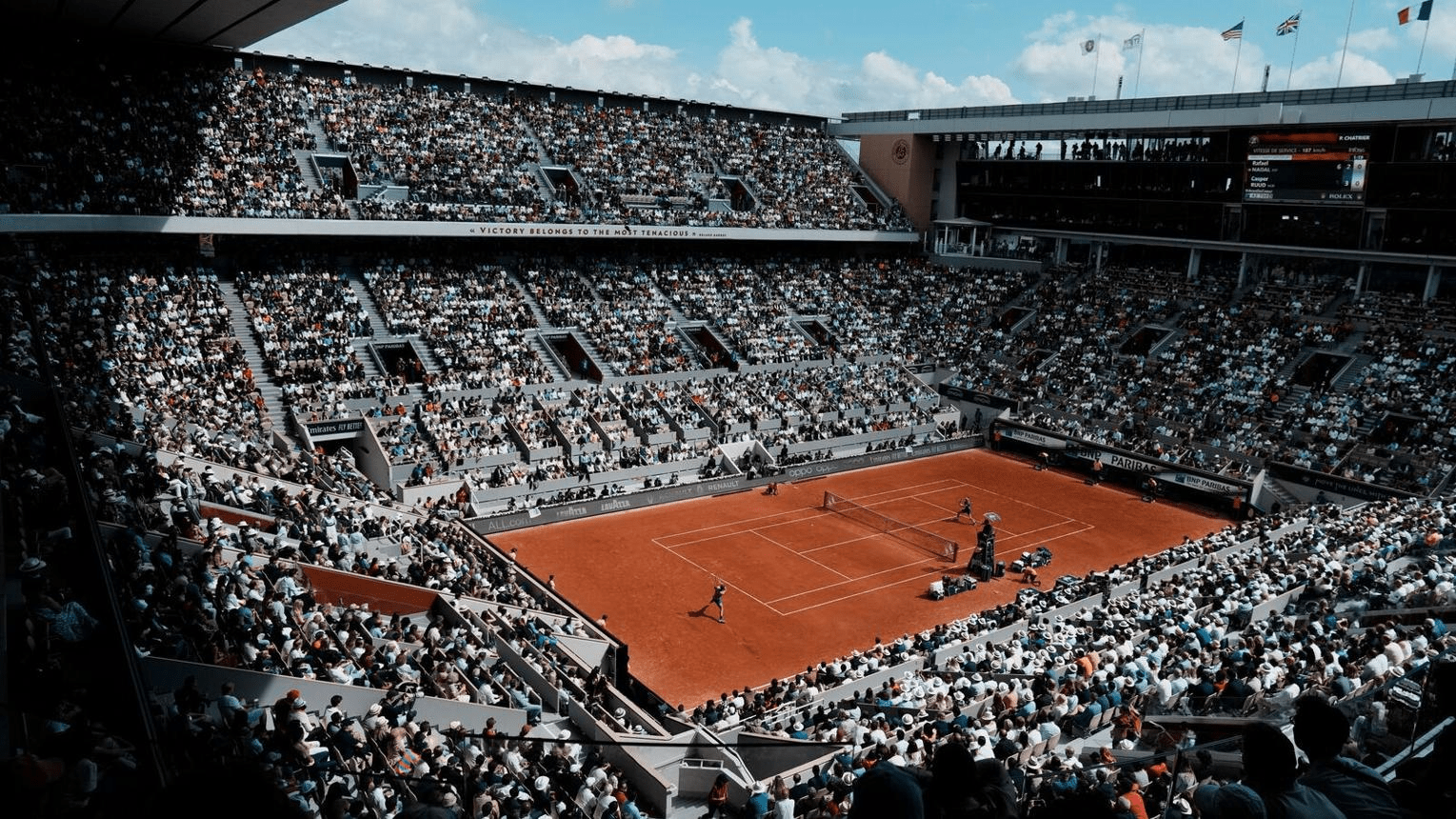
2. French Open (Clay Court)
Also known as Roland Garros, the French Open is played on clay courts in Paris. Clay is the slowest surface in tennis, causing the ball to bounce higher and move more slowly.
This surface demands endurance, patience, and tactical play. It reduces the effectiveness of powerful serves and rewards players who excel in long rallies.
3. Wimbledon (Grass Court)
Wimbledon, held in London, is the oldest tennis tournament in the world, dating back to 1877.
Played on grass courts, it is the fastest of the four Slams. Matches here favor aggressive players with strong serves and quick reflexes. Wimbledon is also known for its traditions players wear white, and the event maintains a classic, prestigious atmosphere.
4. US Open (Hard Court)
The US Open, held in New York, is the final Grand Slam of the year. Known for its electric night matches and vibrant crowd, it combines sport with entertainment.
Like the Australian Open, it is played on hard courts, but tends to be slightly faster, encouraging aggressive baseline play.
How Grand Slam Tournaments Work

Grand Slam tournaments follow a knockout (elimination) format. Once a player loses a match, they are out of the tournament.
Tournament Structure
- 128 players compete in the singles main draw
- Players advance through rounds:
- First round
- Second round
- Third round
- Round of 16
- Quarterfinals
- Semifinals
- Final
Each tournament lasts about two weeks.
Scoring System Explained
Tennis scoring can seem confusing at first, but it follows a consistent structure:
- A match is divided into sets
- A set is made up of games
- A game consists of points
To win a set, a player must win at least six games with a two-game advantage (e.g., 6–4 or 7–5). If tied at 6–6, a tiebreak is usually played.
In Grand Slams:
- Men typically play best of five sets
- Women play best of three sets
This longer format makes Grand Slam matches more physically and mentally demanding than regular tournaments.
The History of Grand Slam Tennis
The concept of the Grand Slam evolved over time. While the four major tournaments existed separately for decades, they became recognized collectively as the sport’s most important events in the early 20th century.
Originally, only amateur players could compete in these tournaments. That changed in 1968 with the beginning of the Open Era, when professionals were allowed to participate.
This shift transformed tennis into a global professional sport and elevated the Grand Slams into worldwide spectacles.
Types of Grand Slams
Not all “Grand Slams” mean the same thing. The term can refer to different achievements:
- Calendar Grand Slam: Winning all four majors in the same year
- Career Grand Slam: Winning each of the four at least once
- Non-calendar Grand Slam: Winning four in a row across two years
- Golden Slam: Winning all four plus an Olympic gold medal
These distinctions highlight the different ways greatness is measured in tennis.
Why Grand Slams Matter So Much
Grand Slam tournaments are the ultimate benchmark in tennis for several reasons:
1. Prestige
They are the most respected titles in the sport. Winning a Grand Slam instantly elevates a player’s legacy.
2. Ranking Points
Players earn the highest number of ranking points from these events, significantly impacting their global standings.
3. Prize Money
Grand Slams offer the largest prize pools in tennis, attracting the best players from around the world.
4. Global Attention
These tournaments are watched by millions worldwide, making them the biggest stage in tennis.
Challenges of Winning All Four
Winning all four Grand Slams in a single year is incredibly difficult due to:
- Different playing surfaces (grass, clay, hard)
- Changing weather conditions
- Physical fatigue over a long season
- High level of competition
Only a handful of players in history have achieved this feat in singles, highlighting its rarity.
The Cultural Impact of Grand Slams
Each Grand Slam is more than just a sporting event it’s a cultural experience.
- Wimbledon reflects tradition and elegance
- The US Open embodies energy and entertainment
- The French Open emphasizes strategy and endurance
- The Australian Open blends sport with festival-like excitement
Together, they showcase tennis as a global sport that transcends borders.
Evolution in the Modern Era
Grand Slam tournaments continue to evolve. Innovations such as electronic line-calling, roofed stadiums, and expanded fan experiences have transformed them into large-scale entertainment events.
In recent years, some tournaments have even expanded into multi-week festivals, enhancing fan engagement beyond just the matches.
Grand Slam tennis tournaments are the heart and soul of the sport. They represent the highest level of competition, the greatest challenges, and the most prestigious achievements.
From the fast grass of Wimbledon to the slow clay of Roland Garros, each Slam tests a different aspect of a player’s skill and character. Winning one is special. Winning multiple is legendary. Winning all four is history.
For fans, these tournaments offer unforgettable moments. For players, they define careers. And for the sport itself, they remain the ultimate stage where greatness is measured and remembered.