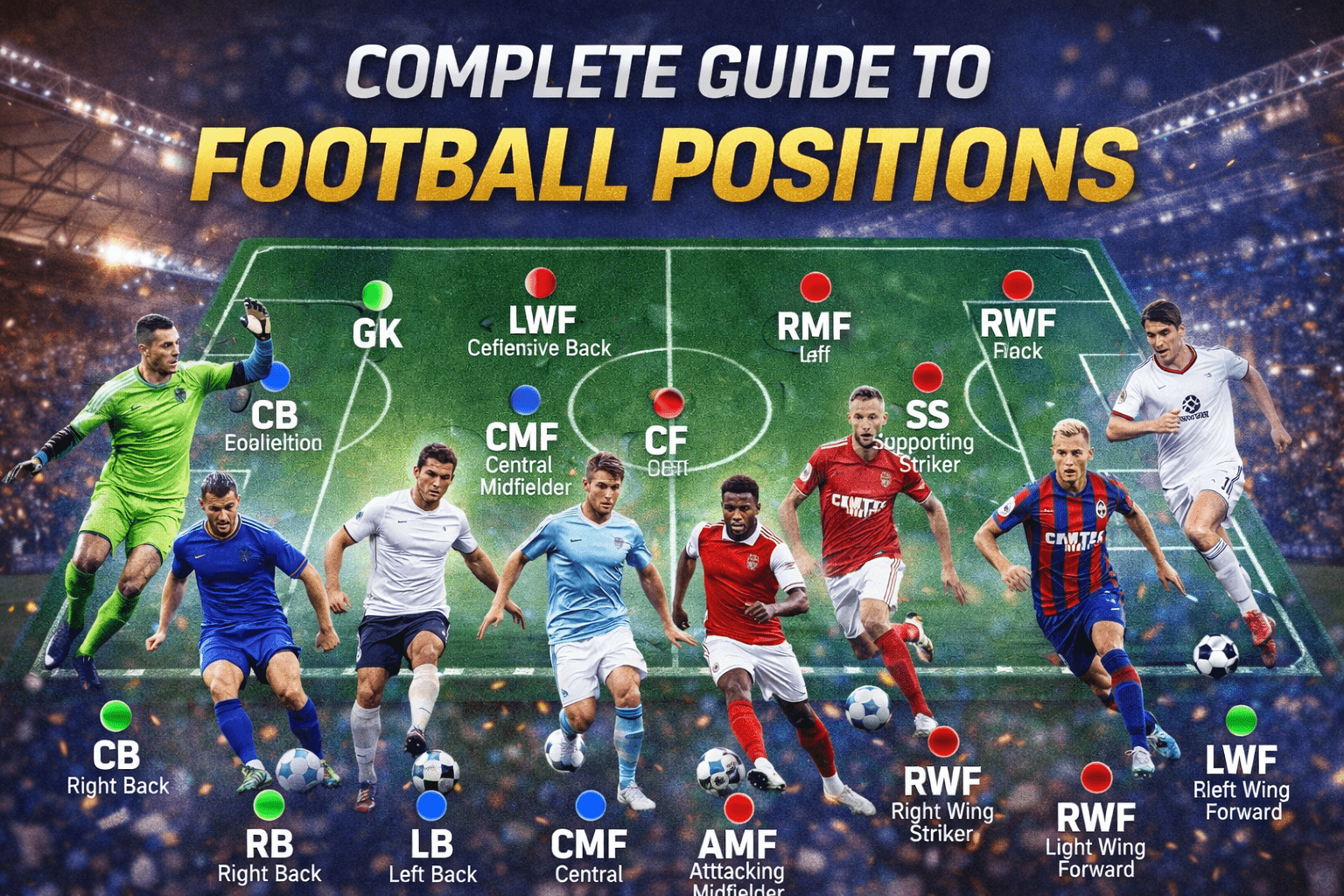
Understanding football positions is one of the most important steps in learning how the game works. Football remains one of the most technical sports in the world, and the key to its technicality lies in the ever-evolving and ever-changing positions. Each player on the pitch has a specific role that contributes to a team’s defensive stability, midfield control, or attacking threat.
In modern football, teams are typically organized into four major positional groups:
- Goalkeeper
- Defence
- Midfield
- Attack
Within these groups are specialized roles that help teams implement tactics and formations, most popular among which are the 4-3-3, 4-4-2, or 3-5-2/3-4-3 formations.
This guide explains all the major football positions and their responsibilities, helping fans understand how players influence the game.
Goalkeeper (GK)

In football positions, the goalkeeper is recognized as the last line of defense. He is the only player allowed to use his hands, but only inside the penalty area. Their primary job is to prevent the opposing team from scoring. It is the most crucial and delicate roles in football positions.
The key responsibilities of a goalkeeper include shot-stopping (they are otherwise called shot-stoppers), organizing the defense line, collecting crosses and corners, and distributing the ball to start attacks.
Modern goalkeepers are also expected to participate in build-up play, acting as an additional outfield player during possession. They are also expected to maintain high alertness and ought not to be caught outside their lines.
Great goalkeepers of our generation include Manuel Neuer, Gianluigi Buffon, Iker Casillas, Petr Cech, and Robert Sanchez.
Defensive Positions (CB, RB, LB)
Defenders protect their team’s goal and prevent attacking players from creating scoring opportunities. They are supposed to be shield wall in front of the goalkeeper. The defense in football positions was traditionally reserved for tall and stoic players, but the modern football position has made it possible for players with less height to be defenders.
Center Back (CB)
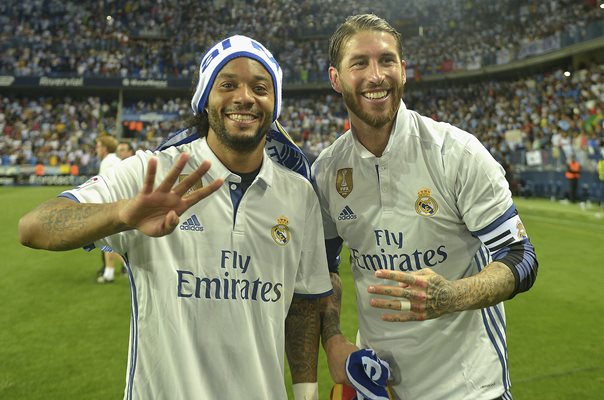
Center backs operate in the middle of the defensive line. In a back-four, there could be a left center-back (LCB) and a right center-back (RCB) and one or both of them will sit as the last man,
Their responsibilities include blocking shots, winning aerial duels, tackling opposing attackers, and organizing defensive structure.
Modern center backs must also be comfortable passing the ball to start attacks.
Right Back (RB) and Left Back (LB)
Fullbacks play on the sides of the defensive line and have both defensive and attacking responsibilities. It is arguably one of the hardest roles to play in football positions. RBs and LBs have the duty of overlapping to put in crosses into the opposition box, while falling back almost at the same time to keep the opposition wingers in check.
Their duties include marking opposing wingers, stopping crosses, supporting attacks along the wings, and delivering crosses into the penalty area.
In modern football, fullbacks are extremely important in attack. Football has seen great players in this position starting from Roberto Carlos to Marcelo, Alves, and modern full-backs like Reece James, Alexander Arnold and Alphonso Davies.
Also, with the recent long-throw trend in football, this football position is has once again found a new key role to play.
Check our article on the revival of set-piece football here.
Midfield Positions (DMF, CMF, AMF, RMF, LMF)
Midfielders connect defense and attack. They control possession, dictate tempo, and help create scoring chances.
Defensive Midfielder (DMF)

The defensive midfielder sits in front of the defense and protects it from opposing attackers. This position was redefined by the legendary Claude Makelele, the Chelsea maestro.
Key roles of this football position include breaking up attacks, intercepting passes, maintaining defensive balance, and starting attacks from deep positions.
Central Midfielder (CMF)
Central midfielders operate in the middle of the pitch and contribute to both attack and defense. It is often said that lose the midfield battle and you lose the game, win the midfield battle and the victory is yours.
Responsibilities include passing and ball distribution, supporting defensive actions, creating attacking opportunities, and maintaining possession.
Players like Luka Modrić and Kevin De Bruyne, among others, excel in this role.
Attacking Midfielder (AMF)
The attacking midfielder plays closer to the forwards and focuses on creativity.
Key duties include creating goal-scoring chances, delivering key passes, shooting from distance, and linking midfield and attack
This role is often filled by the team’s most creative player. Players with the qualities to play in this football position include Ronaldinho, Bruno Fernandes and Cole Palmer.
Wide Midfielders (LMF and RMF)
Wide midfielders operate along the flanks in formations such as 4-4-2, 3-4-3 or 3-5-2.
Their tasks include providing crosses, supporting the defense, stretching the opposition’s defense, and creating chances from wide areas.
Attacking Positions (CF, LWF, RWF, SS)
Attackers are responsible for scoring goals and creating offensive pressure. If the midfield is the engine room of football positions, then the attack is what makes the engine room an engine room.
Center Forward (CF)

The center forward is usually the team’s primary goal scorer.
Responsibilities include finishing scoring chances, holding up the ball, making attacking runs, and pressuring defenders.
Players like modern CR7, Robert Lewandowski and Erling Haaland represent the classic center forward role.
Left Wing Forward (LWF) and Right Wing Forward (RWF)

Wingers operate along the sides of the attacking line.
Their duties include dribbling past defenders, delivering crosses, cutting inside to shoot, and creating chances for teammates.
Many modern wingers also act as secondary goal scorers. The best RWF in the history of the game is Lionel Messi and CR7 may be regarded as the best LWF to ever grace the game. Other notable mentions include Eden Hazard, Neymar, Robert Pires, Bale, and Vinicius Junior.
Supporting Striker (SS)
The supporting striker plays slightly behind the main forward and helps link midfield and attack. This role is common in formations like 4-4-2 or 4-2-3-1.
Responsibilities include creating scoring opportunities, supporting the center forward, taking shots from outside the box, and pressing defenders.
This role requires both creativity and finishing ability.
How Formations Affect Football Positions

Different formations change how football positions function on the field.
For example:
4-4-2 Formation
- 4 defenders
- 4 midfielders (LMF and RMF included)
- 2 strikers (often CF + SS)
4-3-3 Formation
- 4 defenders
- 3 midfielders
- 3 attackers (LWF, CF, RWF)
Each formation changes the responsibilities of players depending on the manager’s tactical approach.
Why Football Positions Matter
Understanding football positions helps fans appreciate the tactical complexity of the game.
Every role on the pitch contributes to a team’s overall strategy, from the goalkeeper organizing the defense to the center forward finishing attacks.
Modern football continues to evolve, and players are now expected to be more versatile than ever before.
As tactics change, so too will the roles of the players who define the beautiful game.
