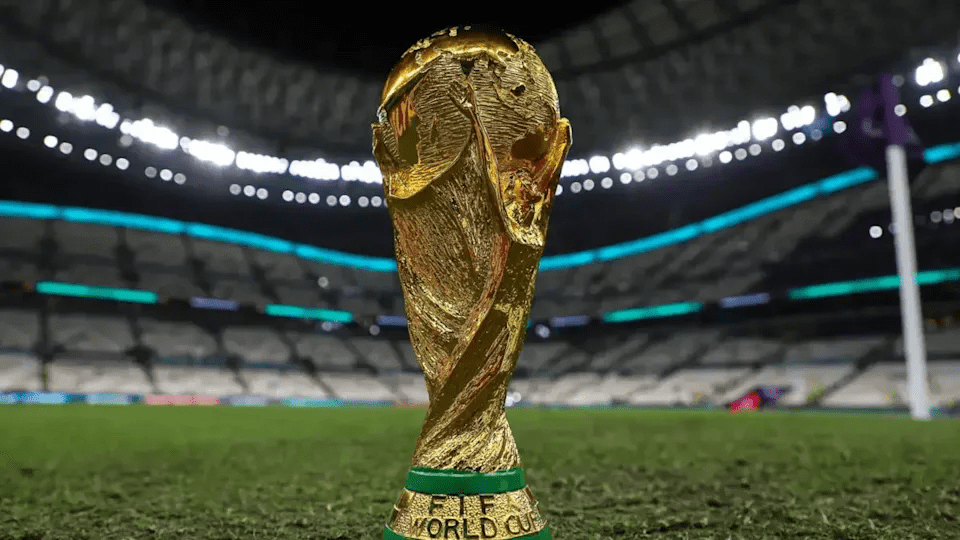
The history of the FIFA World Cup is one of sport’s most fascinating journeys. What began as a modest international football competition in the early 20th century has evolved into the most watched sporting event on the planet. Every four years, billions of fans unite to witness football’s greatest nations battle for ultimate glory.
From legendary players and iconic matches to tactical revolutions and global cultural impact, the World Cup has shaped football’s identity in ways no other competition has managed. Understanding the history of the FIFA World Cup is essential for appreciating how the modern game developed and why the tournament remains football’s ultimate prize.
History of the FIFA World Cup: The Origins of the Tournament
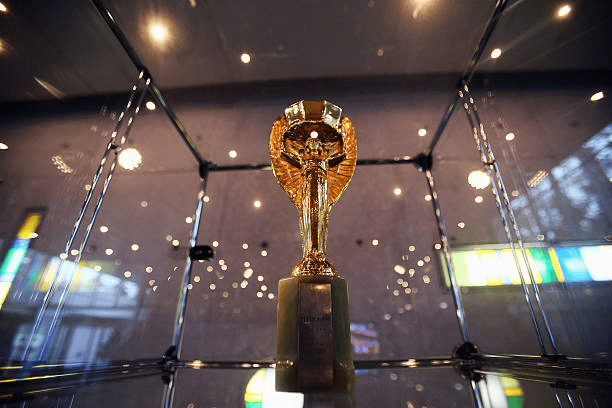
The idea of a global football competition was first seriously proposed in the 1920s by FIFA president Jules Rimet. At the time, international football existed mainly within regional competitions and the Olympic Games. However, football’s growing popularity demanded a standalone global tournament
In 1930, the inaugural World Cup was held in Uruguay. Only 13 teams participated, largely due to travel challenges and financial constraints. Uruguay ultimately emerged as the first champions, defeating Argentina in the final. Despite its limited scale, the tournament proved that a global football competition was viable and captivating.
This moment marked the true beginning of the history of the FIFA World Cup, setting a foundation for what would become the world’s biggest sporting spectacle.
The Growth of the World Cup Before World War II
The second and third editions of the tournament took place in Italy (1934) and France (1938). These tournaments saw increased participation and greater organization, helping to expand the tournament’s global profile.
Italy dominated this era, winning consecutive titles under manager Vittorio Pozzo. Tactical innovations, such as structured defensive systems and coordinated team play, began to emerge.
However, the outbreak of World War II halted the competition for over a decade. The interruption significantly delayed the evolution of the World Cup, but its importance remained clear once global stability returned.
Post-War Revival and the Emergence of Global Icons

The history of the FIFA World Cup resumed in 1950 when Brazil hosted the tournament. This edition is remembered for the dramatic final match known as the “Maracanazo,” where Uruguay shocked the host nation in front of nearly 200,000 spectators.
The 1950s and 1960s introduced football’s first true global superstars. Pelé’s emergence in 1958 transformed Brazil into a dominant force. His flair, creativity and goal-scoring prowess redefined attacking football.
Brazil’s victories in 1958, 1962 and 1970 established the country as a powerhouse and demonstrated the entertainment value of skill-based football. These tournaments helped expand the global reach of the sport, cementing the World Cup’s place in international culture.
Tactical Evolution and European Dominance
The late 20th century saw major tactical developments in football. European teams began to dominate, with nations like Germany and Italy introducing disciplined defensive systems and structured team organization.
The concept of “Total Football,” pioneered by the Netherlands in the 1970s, reshaped how teams approached positioning and fluid movement. Although the Dutch did not win the tournament, their influence changed football tactics worldwide.
Meanwhile, Germany and Italy’s consistency highlighted the importance of balance between attack and defense. Their success demonstrated that winning the World Cup required strategic depth as much as individual brilliance.
Expansion of the Tournament Format

One of the most significant milestones in the history of the FIFA World Cup was the expansion of participating teams. The tournament grew from 16 teams to 24 in 1982, and later to 32 in 1998.
This expansion allowed more nations from Africa, Asia and North America to compete, increasing the tournament’s diversity and global appeal. It also led to memorable underdog stories, such as Cameroon’s run to the quarter-finals in 1990 and South Korea’s semi-final appearance in 2002.
The inclusion of more teams strengthened football’s development worldwide and reinforced the World Cup’s role as a unifying global event.
Modern Era: Commercial Growth and Global Influence
In the 21st century, the World Cup has become a commercial powerhouse. Broadcast rights, sponsorship deals and digital media coverage have turned the tournament into one of the most lucrative sporting events globally.
Technological advancements such as VAR (Video Assistant Referee) have also influenced how matches are officiated. These innovations aim to improve fairness and accuracy while preserving the excitement of the competition.
The tournament’s global reach has expanded further, with billions of viewers tuning in from every continent. This widespread attention reflects the enduring relevance of the history of the FIFA World Cup in shaping football’s global identity.
Legendary Players Who Defined World Cup History

The World Cup has produced countless iconic players whose performances have shaped football history. From Pelé and Diego Maradona to Zinedine Zidane and Lionel Messi, the tournament has consistently showcased football’s greatest talents.
These players not only delivered unforgettable moments but also influenced tactical approaches and inspired future generations. Their contributions highlight how the history of the FIFA World Cup is intertwined with the evolution of football’s playing styles.
The tournament’s ability to elevate individual brilliance on the biggest stage remains one of its defining characteristics.
Memorable Matches and Cultural Impact
Beyond statistics and trophies, the World Cup has created some of sport’s most emotional moments. Matches such as the “Hand of God” game in 1986, Germany’s dramatic victories and Brazil’s attacking masterclasses have become part of football folklore.
The tournament also serves as a cultural celebration, bringing together diverse nations through a shared passion for the game. Host countries often use the event to showcase their culture, infrastructure and global influence.
This cultural significance reinforces why the history of the FIFA World Cup extends beyond football itself.
Future of the FIFA World Cup
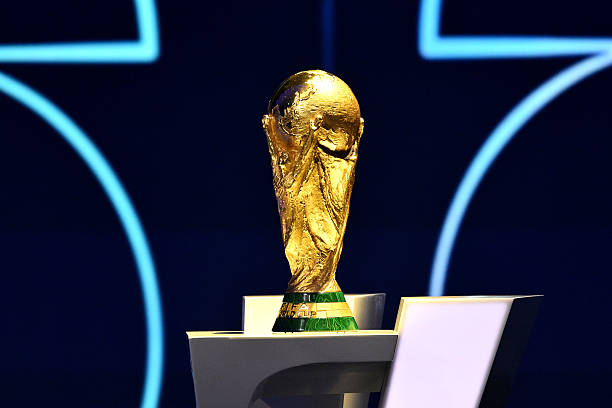
Looking ahead, FIFA plans to expand the tournament further to 48 teams. This change aims to increase global participation and enhance competitive balance.
While expansion presents logistical challenges, it also reflects football’s continued growth worldwide. The evolution of the tournament ensures that the history of the FIFA World Cup remains dynamic and relevant for future generations.
As football continues to develop tactically and technologically, the World Cup will likely remain the sport’s ultimate stage for innovation and excellence.
Conclusion
The history of the FIFA World Cup is a testament to football’s power to unite nations, inspire fans and evolve as a sport. From its modest beginnings in Uruguay to its current status as a global spectacle, the tournament has consistently shaped the trajectory of international football.
Each edition adds new chapters to a legacy built on passion, competition and unforgettable moments. Understanding this history not only enriches appreciation of the game but also highlights why the World Cup remains football’s most prestigious prize.
As the World Cup returns in 2026 and as new generations of players and fans engage with the tournament, its historical significance will continue to grow, ensuring that the history of the FIFA World Cup remains central to the sport’s identity.

1 comment
Thank you for sharing this! I really enjoyed reading your perspective.