
In the National Football League, success is rarely accidental. Every touchdown, defensive stop, or game-winning drive is often the result of hours of detailed preparation. At the heart of that preparation lies opponent game film, a powerful tool that allows teams to study tendencies, decode strategies, and gain a competitive edge before kickoff.
Opponent game film is more than just watching replays. It is a structured, analytical process that blends coaching expertise, data science, and player intelligence. Understanding how NFL teams analyze opponent game film reveals the tactical depth behind every game plan.
What Opponent Game Film Really Is

Opponent game film refers to recorded footage of previous matches played by an upcoming opponent. This includes full games, specific situations, and even individual player clips. Coaches and analysts break down this footage to understand how an opponent operates in different scenarios.
The objective is not just to see what happened, but to understand why it happened. Every formation, motion, and decision is studied to uncover patterns that can be exploited.
This process transforms raw footage into actionable strategy.
Breaking Down Offensive Tendencies
One of the primary uses of opponent game film is to analyze offensive behavior. Defensive coaches study how opposing offenses line up, move, and execute plays.
They focus on patterns that reveal predictability. For example, a team might favor certain plays in specific situations, such as short-yardage downs or red-zone opportunities. Over time, these tendencies become visible through repeated film study.
Quarterbacks receive particular attention. Analysts examine how they react under pressure, how quickly they release the ball, and which receivers they trust most. Even subtle habits, like preferred throwing angles or foot positioning, are noted.
This level of detail allows defenses to anticipate plays rather than simply react to them.
Understanding Defensive Schemes Through Film
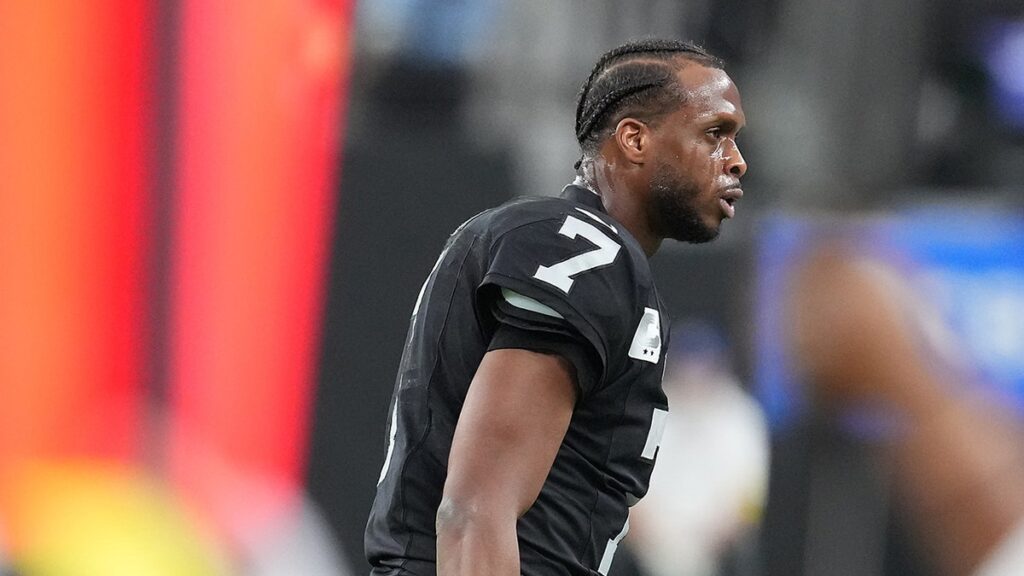
Offensive coordinators also rely heavily on opponent game film to decode defensive systems. They study how defenses align before the snap and how they adjust after it.
Film reveals whether a defense prefers man-to-man coverage or zone schemes. It shows how often blitzes are used and from which areas of the field pressure typically comes.
By identifying these tendencies, offenses can design plays that exploit weaknesses. A defense that frequently blitzes may be vulnerable to quick passes, while a zone-heavy defense might struggle against precise route combinations.
Film study turns uncertainty into calculated decision-making.
Situational Analysis: The Hidden Layer
What separates elite teams from average ones is their attention to situational detail. Opponent game film is not only analyzed in general terms but also broken down into specific game situations.
Coaches study how opponents behave on third downs, in the red zone, during two-minute drills, and in critical late-game moments. These situations often reveal a team’s true identity.
For instance, some teams become conservative under pressure, while others take risks. Recognizing these patterns allows coaches to prepare players for the exact scenarios they are likely to face.
This level of preparation can be the difference between winning and losing close games.
Player-Specific Film Study
Beyond team tactics, opponent game film is used to analyze individual players. Every starter, and even key substitutes, are studied in detail.
Defensive players examine offensive linemen to understand blocking techniques and weaknesses. Receivers study defensive backs to identify tendencies in coverage. Running backs look at how defenders pursue tackles and where gaps are likely to open.
This individualized approach ensures that every player enters the game with a clear understanding of their direct opponent.
It also builds confidence. When players know what to expect, they can react faster and perform more effectively.
The Role of Technology in Film Analysis

Modern NFL teams do not rely on traditional film rooms alone. Technology has transformed how opponent game film is analyzed.
Advanced software allows coaches to tag specific plays, filter situations, and create detailed breakdowns in seconds. Players can access film on tablets, reviewing clips anytime and anywhere.
Data analytics also plays a major role. Statistical models highlight trends that might not be immediately visible to the human eye. For example, data can reveal how often a team runs the ball from a particular formation or how successful certain plays are under specific conditions.
This combination of video and data creates a more complete picture of the opponent.
Translating Film into Game Plans
Analyzing opponent game film is only valuable if it leads to effective game plans. Coaches use their findings to design strategies tailored to exploit weaknesses and neutralize strengths.
Offensively, this might involve targeting a specific defensive matchup or adjusting play-calling to counter blitz tendencies. Defensively, it could mean disguising coverages or focusing on shutting down a key player.
Practice sessions are then structured around these insights. Players rehearse scenarios identified during film study, ensuring they are prepared for what they will face on game day.
This connection between film analysis and on-field execution is what makes the process so powerful.
Communication and Teamwide Understanding
Film study is not limited to coaches. Players are actively involved in the process, attending meetings where clips are reviewed and strategies are explained.
Clear communication is essential. Coaches must translate complex analysis into simple instructions that players can execute under pressure.
This shared understanding ensures that everyone is aligned. Each player knows their role within the broader game plan and how it connects to the opponent’s tendencies.
When executed correctly, this creates a cohesive and disciplined team performance.
Why Film Study Creates Competitive Advantage
In a league as competitive as the NFL, small advantages matter. Opponent game film provides those advantages by reducing uncertainty and improving decision-making.
Teams that excel in film study are often better prepared, more adaptable, and more consistent. They can anticipate plays, adjust strategies mid-game, and exploit weaknesses more effectively.
This is why film study is considered one of the most important aspects of football preparation. It is the foundation upon which successful game plans are built.
The Human Element in Opponent Game Film Analysis
Despite all the technology and data, the human element remains central to opponent game film analysis. Coaches bring experience and intuition that cannot be replicated by software.
They interpret patterns, make strategic decisions, and adapt plans based on context. Players, in turn, apply this knowledge on the field, where conditions are unpredictable and decisions must be made instantly.
The combination of human insight and technological support is what makes modern film study so effective.
Conclusion
Opponent game film is the backbone of tactical preparation in the NFL. It transforms past performances into future strategies, allowing teams to approach each game with clarity and purpose.
From analyzing offensive tendencies to decoding defensive schemes, every detail matters. The teams that master this process gain a significant edge, turning preparation into performance.
In the end, what fans see on Sunday is only the final step. The real battle often begins long before kickoff, inside film rooms where every play is studied, understood, and turned into opportunity.
