Winning a Super Bowl in the National Football League is not just about having talented players. Championship teams are carefully built through a combination of strategy, scouting, financial management, and coaching. The best organizations spend years constructing a roster capable of competing at the highest level.
Successful teams follow a blueprint that balances star power with depth, youth with experience, and financial discipline with aggressive moves when the moment is right.
Below are the key strategies NFL teams use to build championship rosters.
1. Building Through the NFL Draft
The NFL Draft is the foundation of most championship teams. Drafting young talent allows franchises to add high-quality players on affordable rookie contracts.
Championship teams often rely heavily on players they drafted themselves. For example, many Super Bowl winners have built their core through smart drafting and development rather than relying solely on expensive free agents.
Why the draft is so important:
- Rookie contracts are cheaper than veteran deals.
- Teams control players for several years.
- Young players can develop within the team’s system.
Drafting well allows teams to invest their salary cap in other areas while maintaining a strong core of talent.
Great front offices focus on positions that impact winning the most, including:
- Quarterback
- Offensive tackle
- Defensive end / edge rusher
- Cornerback
Finding elite talent at these positions in the draft can change a franchise for a decade.
2. Managing the Salary Cap
Every NFL team must operate under a league-wide salary cap, which limits how much money teams can spend on player salaries.
Because of this rule, building a roster becomes a financial puzzle. Teams must balance expensive star players with affordable contributors.
Smart teams use several salary-cap strategies:
- Structuring contracts creatively
- Spreading bonuses over multiple years
- Avoiding large contracts for aging players
Some teams even restructure deals to push cap charges into future seasons to maintain flexibility in the present.
Poor salary cap management can cripple a team. One bad contract can force teams to release talented players or prevent them from signing needed reinforcements.
3. Targeted Free Agency
Free agency allows teams to sign players whose contracts have expired with other teams.
While it can bring immediate improvements, successful franchises rarely rely on free agency as their primary roster-building strategy. Instead, they use it selectively.
Free agency works best when teams:
- Fill specific weaknesses
- Add veteran leadership
- Sign players that fit the system
The biggest mistake teams make is overspending on big names during the early stages of free agency, when prices are often inflated. Smart franchises instead pursue players who fit their scheme and culture.
4. Developing a Franchise Quarterback
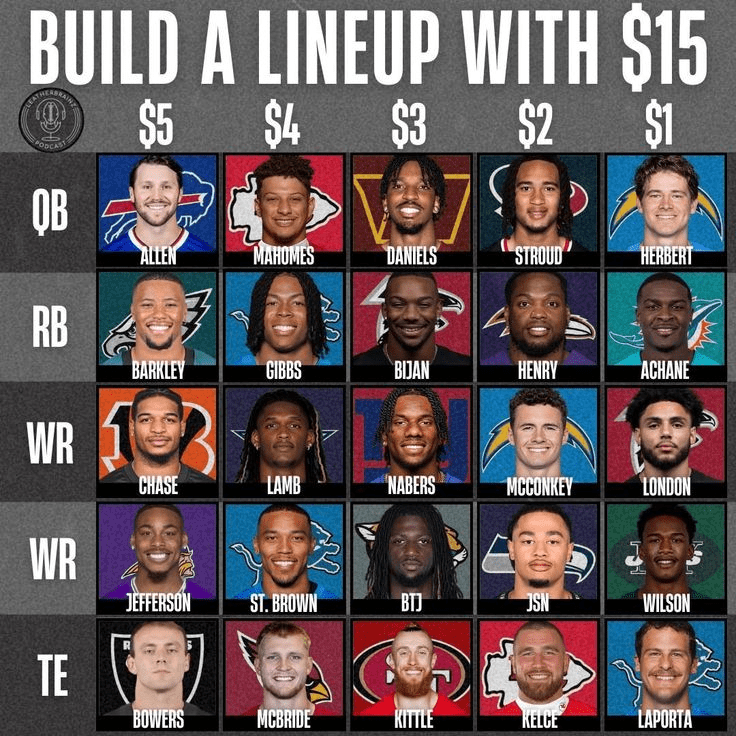
In modern football, the most important position is quarterback.
Most championship teams have elite quarterbacks who can:
- Control the offense
- Read defenses
- Deliver in high-pressure moments
Quarterbacks also influence roster construction because they often take the largest portion of the salary cap.
Teams sometimes take advantage of rookie quarterback contracts, which allow them to spend more money on other positions while the quarterback is still relatively inexpensive.
This strategy helped teams like the Seattle Seahawks, Kansas City Chiefs, and Philadelphia Eagles build dominant rosters during their championship windows.
5. Creating Depth Across the Roster
Football is one of the most physically demanding sports in the world. Injuries are common, and teams must be prepared with quality backup players.
Championship teams usually have:
- Strong second-string players
- Reliable special teams units
- Versatile players who can play multiple positions
Depth allows teams to survive injuries during the long NFL season and maintain consistent performance.
Many successful franchises focus on building a deep roster rather than relying only on superstars.
6. Smart Contract Structures
Contracts are a major part of roster construction.
Teams use several financial tools to manage their payroll, including:
- Signing bonuses
- Roster bonuses
- Incentives
- Guaranteed money
For example, a roster bonus is paid only if a player remains on the team’s roster at a specific date, allowing teams to manage salary-cap flexibility.
These financial tools allow teams to structure deals that benefit both players and the organization.
7. Using the Franchise Tag
One powerful tool NFL teams use to retain key players is the franchise tag.
The franchise tag allows a team to keep an important player for one more season even if their contract has expired.
Benefits of the franchise tag include:
- Preventing star players from leaving
- Giving teams more time to negotiate long-term contracts
- Maintaining roster stability
Many teams use this strategy to avoid losing elite players during free agency.
8. Coaching and Player Development
Even the most talented roster cannot succeed without strong coaching.
Great coaches:
- Develop young players
- Create effective game plans
- Build team culture
Successful franchises invest heavily in coaching staffs and player development programs.
Young players drafted into strong systems often reach their full potential faster.
9. Identifying the Championship Window
Most NFL teams cannot compete for championships every season. Instead, they aim to create a championship window—a period of several years when the roster is strong enough to contend for a Super Bowl.
Teams often push their salary cap limits during this window by:
- Signing key veterans
- Trading for star players
- Restructuring contracts
Once the window closes, teams may rebuild by releasing expensive players and focusing again on the draft.
10. Strong Leadership in the Front Office
Behind every championship team is a strong leadership group.
Key figures include:
- The general manager
- The head coach
- The team owner
The general manager is responsible for:
- Draft selections
- Free-agent signings
- Trades
- Salary-cap management
Teams with stable front offices often achieve sustained success because they follow a clear long-term vision.
Example of a Championship Blueprint
Many recent champions followed a similar blueprint:
- Draft a franchise quarterback.
- Build a strong defense through the draft.
- Add key veterans through free agency.
- Maintain salary-cap flexibility.
- Develop young players within the system.
Teams that execute this strategy successfully can build rosters capable of competing for multiple championships.
Why Building an NFL Roster Is So Difficult
Constructing a championship roster is challenging because of several factors:
- The salary cap limits spending
- Injuries can derail seasons
- Draft picks sometimes fail
- Star players eventually become expensive
Because of these challenges, sustained success in the NFL is rare.
However, the best franchises consistently adapt their strategies to remain competitive.
Conclusion
Building a championship roster in the National Football League requires far more than simply signing star players. It demands careful planning, smart financial management, elite scouting, and strong coaching.
The most successful teams follow a balanced approach:
- Draft and develop young talent
- Use free agency strategically
- Manage the salary cap effectively
- Maintain roster depth