
Football scouting is one of the most important aspects of modern football. Behind every successful club is a network of analysts and scouts who study matches, evaluate players, and uncover tactical patterns that others might miss. A football scout does far more than simply watch a game; they break down every movement, decision, and pattern on the pitch to understand how teams and players perform under real match conditions.
A football scout is a specialist who watches matches on behalf of a club to gather intelligence about players, opponents, and tactical systems. Some scouts focus on identifying talented players for recruitment, while others analyze upcoming opponents and provide detailed tactical reports for coaches. Football scout These reports help managers design strategies and prepare players before matches.
Learning to analyze football matches like a scout requires patience, structure, and a clear understanding of what to look for. It is not about enjoying the match like a fan but about studying the game with a critical and analytical mindset.
This guide explains the key steps and methods used by professional scouts to analyze football matches effectively.
Understanding the Role of Match Analysis

Match analysis in football involves studying games to identify tactical patterns, individual performances, strengths, weaknesses, and opportunities for improvement. Scouts observe matches to build detailed reports about players and teams.
Modern football clubs invest heavily in scouting because match analysis can influence recruitment, tactics, and long-term planning. Scouts analyze both individual players and team structures, gathering insights that coaches can use in preparation for upcoming matches.
Some clubs even employ tactical scouts whose sole job is to analyze opponents. They study the opposing team’s formation, passing patterns, and weaknesses so their club can exploit them during matches.
In short, match analysis turns a football game into a data-driven evaluation of performance and strategy.
-The Greatest Football Rivalries in History That Every Fan Must Know
Step 1: Watch the Entire Match — Not Just Highlights
One of the biggest mistakes beginners make is analyzing highlights instead of full matches. Highlights show only successful moments such as goals, assists, and impressive skills. However, scouting requires seeing the complete performance of a player across 90 minutes.
Professional scouts always watch full matches to observe:
- Movement without the ball
- Defensive contribution
- Decision-making under pressure
- Consistency throughout the game
Watching highlights alone can create bias because it hides mistakes and defensive errors. Scouts therefore prefer full matches and often review multiple games to gain a realistic picture of a player’s ability.
When analyzing a match, try to watch it at least twice. The first viewing helps you understand the general flow of the game, while the second allows you to focus on specific tactical details.
Step 2: Study Team Formations and Tactical Setup
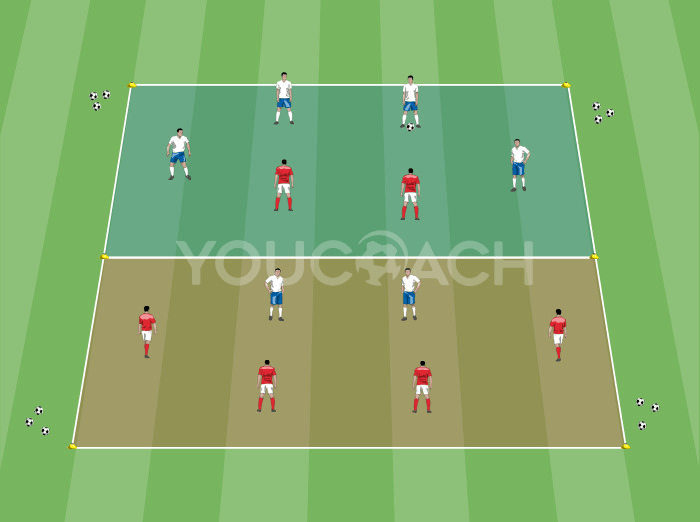
Before analyzing individual players, scouts first examine the team’s tactical structure. Understanding formations helps you see how players operate within the system.
Common formations include:
- 4-3-3
- 4-2-3-1
- 3-5-2
- 4-4-2
During analysis, ask yourself:
- What formation does each team start with?
- Does the formation change during the match?
- How does the team behave in attack versus defense?
For example, a team may defend in a 4-5-1 block but attack in a 3-2-5 shape when building from the back. Tactical scouts study these patterns to understand how teams transition between phases of play.
Observing team structure is essential because a player’s performance often depends on the system around them.
Step 3: Observe Players Without the Ball
A major difference between fans and scouts is that scouts spend much of their time watching players without the ball.
Off-ball movement reveals a player’s football intelligence, positioning, and tactical discipline. Scouts watch how players move to create space, track opponents, or support teammates even when they are not directly involved in the play.
Key off-ball behaviors to observe include:
- Pressing and defensive positioning
- Runs into space
- Supporting teammates
- Maintaining team shape
Off-ball analysis is crucial because many important actions in football happen away from the ball.
A midfielder, for example, might only touch the ball 50 times in a match, but their movement between those touches can dictate the entire rhythm of the game.
Step 4: Evaluate Technical Ability
Technical skills are often the first attributes scouts assess when analyzing players. Technical ability refers to how well a player controls and manipulates the ball.
Important technical qualities include:
- First touch
- Passing accuracy
- Dribbling ability
- Shooting technique
- Crossing and ball delivery
A good scout does not just notice spectacular skills but also evaluates consistency and effectiveness.
For example, a winger who completes five successful dribbles but loses possession ten times may not actually be effective. Technical ability must be judged in context with decision-making and tactical awareness.
Scouts carefully evaluate these core skills because they form the foundation of a player’s performance.
Step 5: Analyze Tactical Intelligence
Tactical intelligence is often called football IQ. It refers to a player’s understanding of the game and their ability to make smart decisions.
Scouts analyze how well players:
- Read the game
- Anticipate opponent actions
- Position themselves correctly
- Adapt to tactical changes
Players with strong tactical awareness often appear to be “one step ahead” of everyone else. They make quick decisions that maintain possession or exploit space.
For example, a midfielder who constantly finds pockets of space between defensive lines demonstrates strong tactical intelligence.
Scouts value this quality highly because intelligent players can adapt to different systems and coaches.
Step 6: Evaluate Physical Attributes
Football is a physically demanding sport, so scouts also analyze physical qualities that influence performance.
Important physical attributes include:
- Speed and acceleration
- Strength in duels
- Stamina over 90 minutes
- Agility and balance
A player may have great technical skills but struggle if they cannot keep up with the physical intensity of the game.
For example:
- A striker needs explosive acceleration to beat defenders.
- A defender requires strength and aerial ability to win duels.
- A midfielder must have stamina to cover large areas of the pitch.
Scouts therefore consider whether a player’s physical attributes suit their position and playing style.
Step 7: Study Decision-Making Under Pressure
Football matches often unfold at high speed, leaving players with little time to make decisions. Scouts analyze how players react under pressure.
Questions scouts ask include:
- Does the player choose the correct option quickly?
- Do they panic when pressed by opponents?
- Do they maintain composure in key moments?
Decision-making is especially important in attacking areas. A forward must decide whether to shoot, pass, or dribble within seconds.
Players who consistently make intelligent decisions often stand out more than players who rely solely on technical skills.
Step 8: Evaluate Mentality and Attitude
Technical and physical abilities are important, but mentality often determines whether a player can succeed at the highest level.
Scouts look for psychological traits such as:
- Confidence under pressure
- Work ethic and discipline
- Leadership and communication
- Resilience after mistakes
Players who show determination and a willingness to improve are more likely to succeed in professional football.
For example, a player who continues pressing and supporting teammates even after losing the ball demonstrates strong mentality.
Mental attributes often separate good players from elite ones because they influence consistency and long-term development.
Step 9: Analyze Patterns and Match Context
Another key part of scouting is identifying patterns within a match.
Scouts study:
- Passing patterns
- Attacking combinations
- Defensive organization
- Set-piece strategies
For instance, a team may repeatedly attack down the right wing because the opposition’s left-back is weak defensively.
Recognizing these patterns helps scouts understand the tactical identity of teams and the roles players perform within that system.
Step 10: Watch Multiple Matches Before Judging
A single match rarely provides enough evidence to judge a player accurately. Professional scouts watch many matches before making a final evaluation.
Ideally, a scout should observe a player across different opponents, competitions, and match situations.
Watching multiple games allows scouts to determine whether performances are consistent or simply one-off displays.
Consistency is one of the most important qualities scouts look for because professional football requires players to perform at a high level week after week.
Step 11: Use Data and Video Analysis Tools
Modern football scouting combines traditional observation with data analysis.
Platforms such as Wyscout provide extensive video footage, statistics, and performance data for scouts and coaches. These tools allow analysts to review specific events like passes, tackles, and shots within a match.
Video tagging systems help scouts quickly locate key moments in a match, making it easier to study tactical patterns and player actions.
Technology has therefore become an essential part of modern football analysis.
Conclusion
Analyzing a football match like a professional scout requires much more than simply watching the game. It involves studying formations, observing off-ball movement, evaluating technical and physical qualities, and understanding tactical patterns.
A scout must remain objective, patient, and methodical while analyzing matches. The goal is not just to identify spectacular moments but to understand how players contribute to the overall team performance.
By watching full matches, focusing on both team tactics and individual behavior, and studying multiple games over time, anyone can begin to develop the analytical skills used by professional football scouts.
Football is often described as a simple game, but when viewed through the eyes of a scout, it becomes a complex puzzle of strategy, movement, and decision-making. Learning to analyze the game at this deeper level not only improves scouting ability but also enhances one’s appreciation of the beautiful game.