Los Angeles Mayor Karen Bass has publicly urged Casey Wasserman, chairman and president of the LA28 Olympic and Paralympic Games Organizing Committee, to step down from his leadership role in the run-up to the 2028 Summer Olympics amid growing backlash over his past interactions with Ghislaine Maxwell, a convicted associate of sex offender Jeffrey Epstein. The development represents a rare direct challenge by a city official to the leadership of an Olympic organising body and escalates a controversy that has enveloped Los Angeles as it prepares to host one of the world’s biggest sporting spectacles.
Mayor Bass’s comments mark a significant escalation in public pressure on Wasserman, who has been at the helm of the LA28 organizing committee since the bid was launched in 2015. While Bass acknowledged she has no legal authority to remove Wasserman that power lies with the LA28 board she made clear in a televised interview that she believes he should resign, calling the board’s previous decision to retain him “unfortunate.”
This public call from the mayor comes amid an intensifying controversy sparked by the release of more than 3 million pages of Department of Justice documents relating to the Jeffrey Epstein files. Among the documents were email exchanges from 2003 between Wasserman and Maxwell, which some have described as flirtatious. Though these interactions predate Maxwell’s and Epstein’s criminal convictions, the revelation has led local leaders, athletes and prominent clients of Wasserman’s talent agency to question whether he remains a suitable figurehead for an event of global stature like the Olympics.
What Mayor Bass Has Said
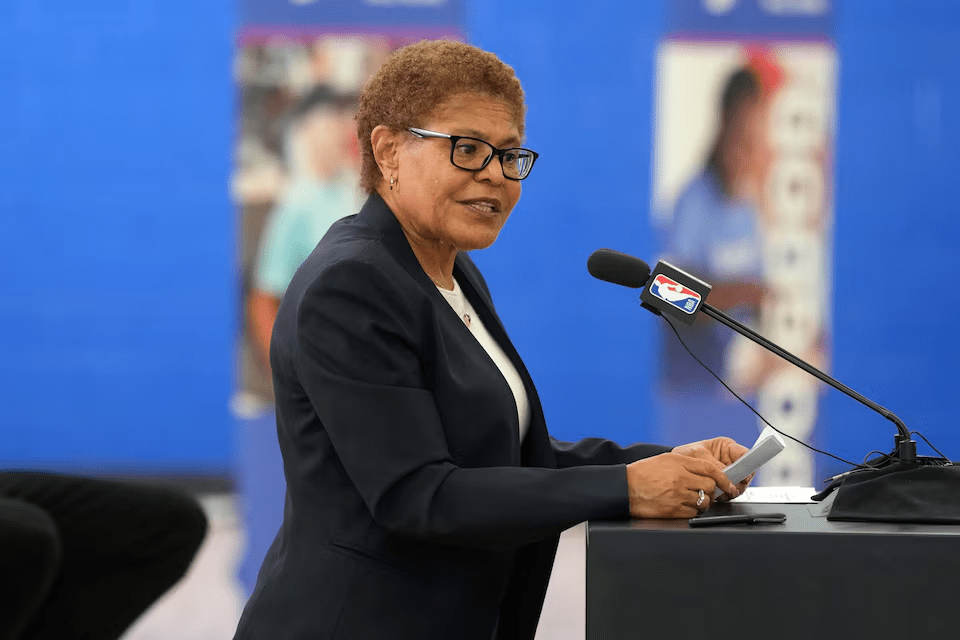
In the CNN interview where she made her remarks, Bass stressed her role as mayor is to ensure that Los Angeles is “completely prepared to have the best Olympics that has ever happened in Olympic history,” but also emphasised that she thought the decision of the LA28 board to keep Wasserman in place was wrong. “My opinion is that he should step down,” she said, adding that she does not support the board’s decision.
Bass had previously declined to take a position on the matter, pointing out that the LA28 governing board holds the authority to make leadership decisions for the non-profit organising committee. But in her latest comments, she shifted her stance, insisting that reviewing and potentially changing leadership at LA28 was necessary given the ongoing distraction and reputational risk posed by the Maxwell-related controversy.
While Bass cannot fire Wasserman herself, her public statement amplifies pressure from other local political leaders. Dozens of city council members, county supervisors and elected officials across Southern California have also called for his resignation, arguing that even distant past associations particularly those revealed through sensitive government files could damage public trust in the leadership of the Olympic organising effort.
Origins of the Controversy: Epstein Files and Released Documents
The controversy unfolded after the U.S. Department of Justice released a large trove of previously unreleased documents related to the Jeffrey Epstein files. Among the notes, Wasserman’s name appeared in email correspondence with Ghislaine Maxwell dating back more than two decades. Maxwell, a former associate and romantic partner of Epstein, was convicted in 2021 on multiple counts including transporting and exploiting minors crimes that drew global attention and led to her imprisonment.
Although the emails were from 2003 long before any criminal convictions or public knowledge of the Epstein network’s abuses their content (characterised by some media outlets as suggestive or flirtatious) raised questions among critics about judgement and the appropriateness of having an individual linked to such materials in a key leadership position for the city’s flagship global event. Wasserman has consistently denied having a personal or business relationship with Epstein, framing his interactions as limited and historical.
Response from LA28 and the Organising Board
Despite the growing backlash, the executive committee of the LA28 board previously conducted an internal review with outside legal counsel of Wasserman’s past interactions and decided to retain him as chair of the organising committee. The board’s statement cited Wasserman’s strong leadership over the past decade, concluding that his documented contacts with Maxwell and indirect association (such as a 2002 humanitarian flight on Epstein’s plane) did not extend beyond what had already been publicly known and did not warrant his removal.
That review and the board’s decision to stand by Wasserman triggered criticism from Bass and other leaders who argue that optics and public trust matter at least as much as legal findings on past conduct. Bass made clear that she did not support the board’s choice and believes broader leadership scrutiny is necessary.
Repercussions Beyond the Olympic Organising Committee
The fallout from the email revelations has extended beyond LA28 itself. Wasserman, who is also the CEO of the Wasserman talent and marketing agency, reportedly began the process of selling his firm amid the controversy, telling employees in internal communications that he felt he had “become a distraction” to the business. Some high-profile clients, including artists and retired athletes, have already cut ties with his agency following the publicity around the files.
At least one notable client pop star Chappell Roan publicly departed the Wasserman agency in protest, and prominent former sports figures such as Abby Wambach have openly called for Wasserman’s resignation from both roles. These exits underscore how reputational issues tied to the Olympic leadership matter not just to politics but to the broader business and entertainment world that Wasserman inhabits.
Political Reaction Across the Region
In addition to Bass, local leaders including Los Angeles City Council members, Los Angeles County Supervisors and state legislators have weighed in, calling for accountability and leadership change at LA28. Some have criticised the board for defending Wasserman, saying that continued support for him undermines confidence in the organising committee and risks distracting from preparations for the 2028 Olympic and Paralympic Games.
One councilmember was quoted as saying that Angelenos deserve leadership that fully understands the gravity of the revelations and can command public trust. Critics have pressed further, arguing that defending Wasserman’s role rather than acknowledging the concerns of victims and those affected by Epstein’s criminal network reflects poorly on the city’s priorities in hosting a global event.
The International Olympic Committee’s Position
The International Olympic Committee (IOC) has largely taken a hands-off approach, deflecting questions about Wasserman’s future and emphasising that matters of local organising leadership fall under the jurisdiction of the LA28 board. IOC representatives at the Milan-Cortina 2026 Winter Games news briefings have acknowledged the discussions but reiterated that decisions about who leads LA28 are the board’s responsibility, not the IOC’s.
This position means that although global scrutiny has increased and the IOC is aware of the situation change in leadership would require internal action within LA28 rather than intervention from the Olympic movement’s governing body.
Public Trust, Leadership and the 2028 Olympics Countdown
Mayor Bass and other critics have framed their calls for resignation around public trust, accountability and the symbolic significance of the Olympic Games. Hosting the Olympics places Los Angeles and its leaders under a bright international spotlight, and any controversy at the top tier of organisation could complicate planning, fundraising and global perception of the event.
While Wasserman remains in place for now, the debate highlights broader questions about how past personal behaviour even if legally innocuous can impact leaders responsible for representing major cultural and sporting events on the world stage. As the countdown to the 2028 Olympics continues, the city and its partners will have to manage not just logistical and financial preparations, but reputational challenges that resonate far beyond Southern California.
What’s Next
The fallout from the Epstein files is unlikely to subside quickly. Questions about leadership, values and public trust will continue to shape discourse around the LA28 organising committee. Whether Wasserman ultimately resigns voluntarily or under further pressure from political figures, board members or stakeholders remains uncertain. But Bass’s public call adds a new dimension to the controversy, making leadership change a prominent issue as Los Angeles prepares to host a global event that demands unity, credibility and broad support.