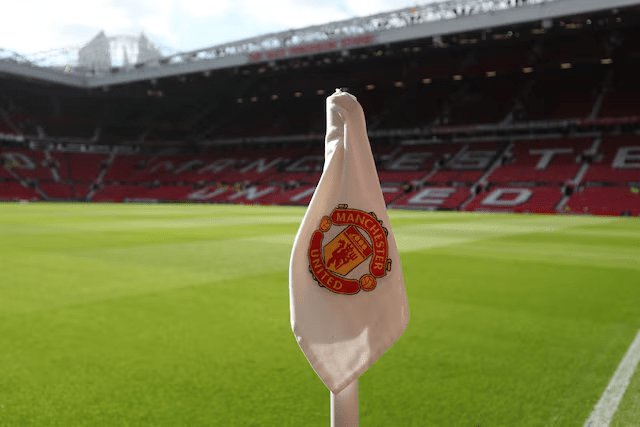
Manchester United have announced their sixth consecutive annual net loss, though the club says its financial position is gradually improving. The Premier League side also issued a warning of an expected dip in revenue for the coming fiscal year.
Net Loss: For the year ending June 30, 2025, Manchester United reported a loss of £33 million, significantly smaller than last year’s £113.2 million deficit.
Revenues: Total revenue for 2024–25 was £666.5 million, which is a club record despite the loss.
Forecast: The club expects revenue in fiscal 2026 to be between £640 million and £660 million, down from £666.5 million this past year.
What Factors Contributed to the Loss & Efforts to Improve
Cost-cutting measures: Under minority owner Jim Ratcliffe (who owns about 29% and oversees football operations), United have implemented a number of cost-saving strategies. These include staff reductions, raising ticket prices, removing certain staff perks (e.g. free meals in canteens), and trimming non-playing personnel.
Reduced deficit: The £33 million loss still reflects progress—closing a large gap from the more than £100 million shortfall of the prior year.
Regulatory compliance: Despite ongoing losses, Manchester United remain in compliance with Premier League Profitability and Sustainability Rules (PSR), as well as UEFA Financial Fair Play regulations.
Risks & Challenges Ahead
Absence from European competition: Without Champions League (or similar) participation, United will face reduced broadcasting revenue and lower matchday income. This will hurt overall revenue.
Fan discontent & performance pressure: Supporters are already critical given United’s sluggish start to the season and underwhelming results despite high spending on new players. Poor performance on the pitch can exacerbate financial woes by impacting sponsorship, ticket sales, and brand value.
Revenue dip forecast: With the club expecting lower revenue next year, maintaining sustainable financial operations will depend heavily on continued cost discipline, improved revenues in non-broadcasting areas (e.g. commercial, matchday), and better sporting results.
What This Means
While the loss is still worrying, the scale is much reduced. The efforts to cut costs seem to be having an effect. However, the forecasted revenue dip indicates that United cannot rest on their laurels—even with record revenue and aggressive financial reforms.
The club’s financial health will continue to depend on its ability to marry on-pitch success (especially in Europe) with off-pitch commercial strength, smart spending, and meeting regulatory thresholds.