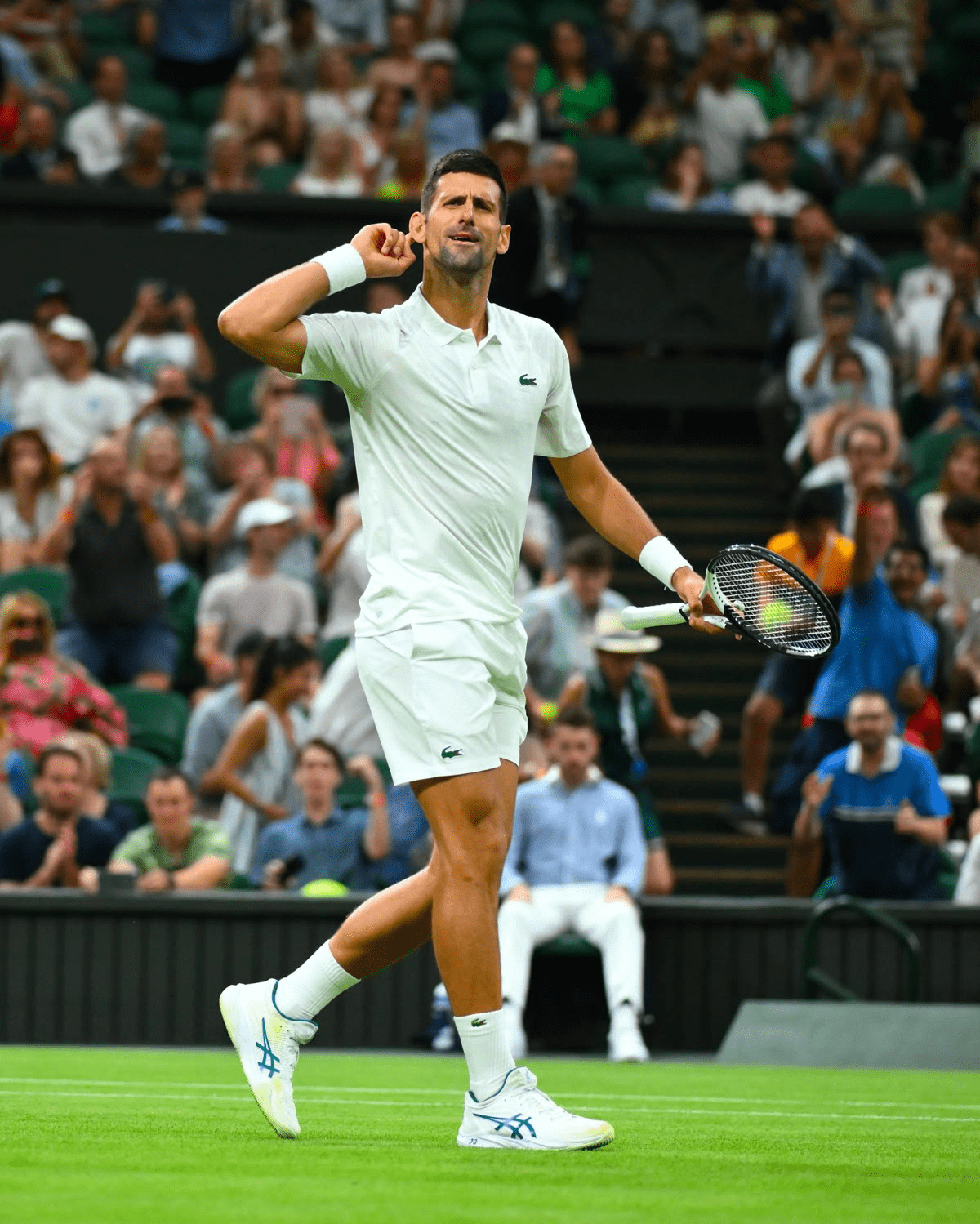
The tennis world was met with significant news as Novak Djokovic officially withdrew from the Monte-Carlo Masters, one of the most prestigious clay-court events on the ATP Tour calendar. While withdrawals from tournaments are not uncommon in modern tennis, the absence of a player of Djokovic’s stature always sparks deeper conversations about fitness, scheduling, legacy, and the evolving nature of elite competition.
Djokovic’s decision is not just about missing a single tournament it reflects a broader strategy and highlights the realities of sustaining excellence at the highest level of sport. As one of the greatest players in tennis history, every move he makes is analyzed through the lens of both immediate impact and long-term legacy.
The Importance of the Monte-Carlo Masters
The Monte-Carlo Masters holds a unique place in professional tennis. Played in the picturesque setting of Monaco, it marks the beginning of the European clay-court swing, serving as a key preparation event ahead of the French Open at Roland Garros.
Unlike some other ATP Masters 1000 tournaments, Monte Carlo is not mandatory for top-ranked players. This distinction gives athletes greater flexibility in deciding whether to participate, particularly when managing physical condition or planning their season strategically.
For Djokovic, Monte Carlo has been a tournament of both triumph and challenge. He has claimed the title multiple times, showcasing his adaptability on clay, yet his dominance on this surface has often been overshadowed by his achievements on hard courts and the unparalleled clay-court legacy of rivals like Rafael Nadal.
Understanding the Decision to Withdraw
At first glance, withdrawing from such a high-profile tournament might seem surprising. However, when viewed in the context of Djokovic’s career stage and priorities, the decision becomes more understandable.
At 30+ years of age, Djokovic is no longer in the phase of his career where playing every tournament is necessary or beneficial. Instead, his focus has shifted toward maximizing performance in the most important events particularly Grand Slams.
The physical demands of the ATP Tour are immense. Traveling across continents, adapting to different surfaces, and competing at the highest level week after week can take a toll on even the most well-conditioned athletes. By skipping Monte Carlo, Djokovic is likely aiming to preserve his energy and ensure peak fitness for upcoming tournaments.
This approach is consistent with how other tennis legends have managed their schedules in the later stages of their careers. Both Roger Federer and Rafael Nadal carefully selected tournaments to optimize performance and longevity.
Injury Management and Physical Realities
Although there has been no single confirmed major injury forcing Djokovic’s withdrawal, it is widely understood that he has been dealing with minor physical issues. In elite sport, even small discomforts can significantly impact performance.
Clay-court tennis, in particular, is physically demanding. Matches often involve long rallies, extended movement, and high endurance. The sliding required on clay also places additional stress on joints and muscles.
For a player who has spent more than a decade at the top of the sport, managing these physical demands becomes increasingly important. Preventative measures such as skipping certain tournaments can be crucial in avoiding more serious injuries later in the season.
Djokovic has long been known for his exceptional fitness and flexibility, attributes that have allowed him to maintain a high level of performance for many years. However, even with these advantages, the natural effects of aging cannot be ignored.
Strategic Focus on the French Open
One of the most likely reasons behind Djokovic’s withdrawal is his focus on the French Open, the second Grand Slam of the year.
Winning at Roland Garros requires not only skill but also peak physical and mental condition. The tournament’s demanding nature makes preparation critical, and many players use the weeks leading up to it to fine-tune their game.
By skipping Monte Carlo, Djokovic may be prioritizing training and recovery over competition. This allows him to enter later clay tournaments with better preparation and potentially greater confidence.
Given his history of success at Grand Slams, it is clear that Djokovic’s primary goal remains adding to his already record-breaking tally. Every decision he makes is likely aligned with that objective.
Impact on the Tournament Field
Djokovic’s absence inevitably changes the dynamics of the Monte-Carlo Masters. As one of the sport’s biggest stars, his participation not only raises the level of competition but also draws global attention.
Without him, the field becomes more open, creating opportunities for other top players to step forward. Rising stars like Carlos Alcaraz and established contenders such as Daniil Medvedev may find themselves in a stronger position to challenge for the title.
For fans, however, the absence of Djokovic is always a disappointment. His matches are often among the most anticipated, and his rivalries add an extra layer of excitement to any tournament.
The Evolution of Djokovic’s Career
Djokovic’s withdrawal also reflects the evolution of his career. In his early years, he competed extensively, building experience and establishing himself among the elite. As he reached his peak, consistency and dominance became his trademarks.
Now, in the later stages of his career, the focus has shifted toward longevity and legacy. Every season is an opportunity to add to his achievements, but it also requires careful planning.
This evolution is a natural progression for great athletes. As physical capabilities change, strategies must adapt. For Djokovic, this means prioritizing quality over quantity choosing fewer tournaments but aiming for maximum impact.
Mental Aspects of Scheduling
While physical considerations are often the primary focus, the mental aspect of tennis should not be overlooked. The pressures of constant competition, travel, and expectations can be mentally exhausting.
Taking breaks between tournaments allows players to reset, maintain focus, and approach upcoming events with renewed energy. For someone like Djokovic, who has spent years under intense scrutiny, managing mental well-being is essential.
This mental clarity can make a significant difference in high-stakes matches, particularly in Grand Slam tournaments where the margin for error is minimal.
Legacy and the Bigger Picture
Djokovic’s legacy is already secure. With numerous Grand Slam titles, ATP records, and years spent at world number one, he has established himself as one of the greatest players in tennis history.
However, the pursuit of greatness does not end. Every season presents new opportunities to extend that legacy, and every decision contributes to how his career will be remembered.
Withdrawing from the Monte-Carlo Masters is not a sign of decline, but rather a reflection of strategic thinking. It demonstrates an understanding that success in modern tennis requires more than just skill it requires careful management of time, energy, and resources.
What Comes Next
Although Djokovic will not compete in Monte Carlo, his season is far from over. Fans can expect to see him return in other clay-court events as he builds momentum toward Roland Garros.
His ability to peak at the right moments has been a defining feature of his career. Even when he skips tournaments, he often returns stronger, ready to compete at the highest level.
This pattern suggests that his absence from Monte Carlo could ultimately benefit his performance in the tournaments that matter most.
The withdrawal of Novak Djokovic from the Monte-Carlo Masters is a reminder of the complexities involved in elite sports. It highlights the balance between competition and preservation, ambition and realism.
For fans, it may be disappointing not to see one of the game’s greatest players in action at Monte Carlo. However, this decision reflects a broader strategy aimed at sustaining excellence and maximizing success in the most tournaments.
As Djokovic continues his journey, each step whether on the court or off it adds to a legacy that has already redefined tennis. His absence from Monte Carlo is not the end of a chapter, but part of an ongoing story of adaptation, resilience, and greatness.