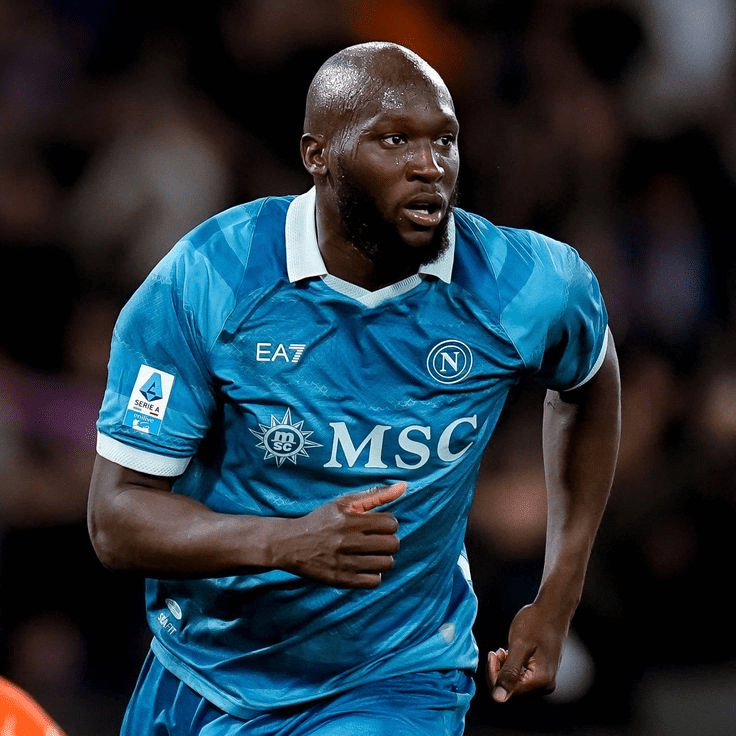
The withdrawal of Romelu Lukaku from Belgium’s World Cup warm-up matches has sparked widespread discussion across the football world. As one of the most important figures in Belgian football history and the nation’s all-time leading scorer, his absence is not just another squad update it is a development with real implications for team preparation, tactical planning, and expectations ahead of a major international tournament.
With Belgium set to face strong opposition in pre-World Cup friendlies, Lukaku’s decision to step away raises critical questions: Is this a cause for concern, or a calculated move designed to ensure long-term success?
Why Lukaku Withdrew from the Squad
Lukaku’s decision to miss the upcoming warm-up fixtures was not sudden or controversial it was strategic. According to official statements, the striker has chosen to focus on improving his physical condition rather than risk aggravating existing issues by participating in matches.
The 32-year-old has endured a difficult season plagued by injuries and limited playing time at club level. Playing only sparingly for Napoli, Lukaku has struggled to regain full match fitness after being sidelined earlier in the campaign.
Rather than rushing back into competitive action, he has opted for a more cautious approach prioritizing training and conditioning over immediate involvement in friendlies.
This decision reflects a growing trend among elite players who recognize the importance of long-term fitness, especially in a packed football calendar where injury risks are higher than ever.
Belgium’s Warm-Up Matches: What He Will Miss
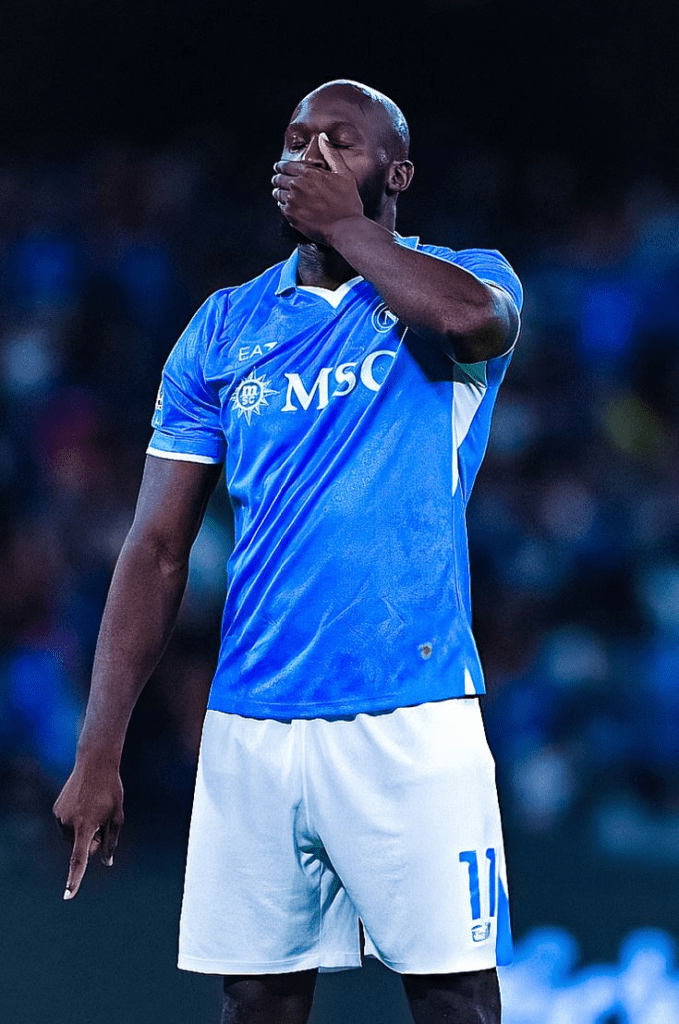
Belgium’s scheduled World Cup warm-up matches are more than just friendlies they are crucial opportunities for fine-tuning tactics and building chemistry within the squad.
The team is set to face:
- The United States in Atlanta
- Mexico in Chicago
These matches are designed to simulate the intensity and style of World Cup competition, giving players and coaches valuable insights into form, combinations, and strategic adjustments.
Without Lukaku, Belgium will be forced to adapt their attacking setup, potentially experimenting with alternative forward options.
A Major Blow for Belgium’s Attack
There is no denying Lukaku’s importance to the Belgian national team. With 89 international goals in 124 appearances, he stands as the country’s all-time leading scorer and one of Europe’s most prolific forwards.
His absence leaves a significant gap not just in terms of goals, but also in leadership and experience. Lukaku’s physical presence, hold-up play, and ability to perform in big moments have long made him the focal point of Belgium’s attack.
Without him, the team must rely on alternative forwards such as:
- Loïs Openda
- Michy Batshuayi
- Charles De Ketelaere
While these players bring talent and potential, none possess the same level of proven consistency on the international stage as Lukaku.
Injury Concerns and Long-Term Management
Lukaku’s withdrawal highlights a broader issue facing modern football: player workload and injury management.
Over the past decade, the football calendar has become increasingly congested, with players expected to perform across domestic leagues, European competitions, and international tournaments. For a physically demanding player like Lukaku whose game relies heavily on strength and explosiveness this schedule can take a toll.
His decision to skip the warm-ups suggests a shift in mindset:
- Prioritizing long-term fitness over short-term appearances
- Avoiding unnecessary risks in non-competitive matches
- Ensuring peak condition for the World Cup
In this context, his absence may be less of a setback and more of a precautionary measure.
A Pattern of Absences in the Belgium Squad
Lukaku is not the only notable absentee from Belgium’s preparations. Other key players have also been ruled out due to injuries, including:
- Leandro Trossard
- Hans Vanaken
Both players have been sidelined with hip issues and will miss the same warm-up matches.
Additionally, goalkeeper Thibaut Courtois has been unavailable due to injury concerns.
This pattern of absences raises concerns about squad depth and readiness, particularly as Belgium seeks to compete at the highest level in the upcoming tournament.
Opportunity for Emerging Talent
While Lukaku’s absence is a setback, it also presents an opportunity for other players to step up.
Belgium’s head coach has emphasized the importance of evaluating both experienced players and emerging talents during these warm-up matches. Younger players will have the chance to prove themselves and potentially secure a place in the World Cup squad.
This transitional phase reflects a broader evolution within Belgian football. The so-called “golden generation” featuring stars like:
- Kevin De Bruyne
- Eden Hazard
has gradually given way to a new wave of talent. Integrating these players while maintaining competitiveness is one of the team’s biggest challenges.
Tactical Implications for Belgium
Lukaku’s absence will likely force Belgium to adjust their tactical approach.
Traditionally, the team has built its attacking system around a central striker capable of holding up play and finishing chances. Without Lukaku, Belgium may need to adopt a more fluid attacking style, relying on movement, pace, and creativity rather than physical dominance.
Possible tactical adjustments include:
- Playing with a false nine
- Utilizing wide forwards more aggressively
- Increasing midfield involvement in goal-scoring opportunities
These changes could ultimately benefit the team by making them less predictable and more versatile.
Impact on World Cup Preparations
Warm-up matches play a critical role in preparing teams for major tournaments. They provide:
- Match fitness for returning players
- Opportunities to test formations
- A chance to build team chemistry
Lukaku’s absence means he will miss out on these valuable experiences, which could impact his readiness when the tournament begins.
However, if his decision leads to improved fitness and reduced injury risk, the long-term benefits may outweigh the short-term drawbacks.
Lukaku’s Legacy and Importance
Despite recent challenges, Lukaku remains one of the most important players in Belgian football history.
His achievements include:
- Becoming Belgium’s all-time top scorer
- Representing his country at multiple World Cups
- Playing a key role in Belgium’s third-place finish at the 2018 World Cup
Beyond statistics, his leadership and experience make him a crucial figure in the dressing room.
Even as Belgium transitions to a new generation, Lukaku’s presence both on and off the pitch continues to be invaluable.
Smart Decision or Cause for Concern?
Opinions on Lukaku’s withdrawal are divided.
Arguments in Favor:
- Prioritizes long-term fitness
- Reduces risk of injury before the World Cup
- Allows for focused rehabilitation and training
Concerns:
- Lack of match sharpness heading into the tournament
- Reduced opportunity to build chemistry with teammates
- Signals ongoing fitness issues
Ultimately, the success of this decision will depend on Lukaku’s condition when the World Cup begins.
Romelu Lukaku’s decision to drop out of Belgium’s World Cup warm-up matches is a significant development, but it is not necessarily a negative one.
In modern football, where physical demands are higher than ever, managing fitness has become just as important as tactical preparation. Lukaku’s choice reflects an understanding of this reality and a commitment to being at his best when it matters most.
For Belgium, the challenge will be to adapt in his absence while preparing for his eventual return. For Lukaku, the focus is clear: regain full fitness, rediscover form, and once again lead his country on the biggest stage in world football.
As the World Cup approaches, all eyes will be on whether this calculated gamble pays off and whether one of Belgium’s greatest players can once again deliver when it matters most.