
Shooting accuracy in basketball is often seen as a natural gift, something players either have or do not. In reality, it is a product of biomechanics, repetition, and precise coordination. Every successful shot is the result of a complex chain of movements working in perfect harmony, from the feet to the fingertips.
At the highest level, players such as Stephen Curry and Kevin Durant are not just talented shooters. They are biomechanical masters who have refined their bodies to produce consistent, repeatable shooting motions under pressure.
Understanding shooting accuracy in basketball requires breaking down how the body generates power, controls movement, and delivers the ball with precision.
What Shooting Accuracy in Basketball Really Means

Shooting accuracy in basketball is the ability to consistently deliver the ball into the basket using controlled force and optimal trajectory. It is not just about aim. It is about repeatability. The best shooters replicate the same motion regardless of distance, fatigue, or defensive pressure.
Accuracy depends on three core elements working together. The body must generate force efficiently, the shooting motion must remain stable, and the release must be precise. When one element breaks down, accuracy drops.
This is why elite shooters appear effortless. Their mechanics reduce variability, which is the biggest enemy of consistent shooting.
The Biomechanics of a Perfect Shot
Biomechanics is the study of how the body moves. In basketball, it explains how players transfer energy from the ground into the ball.
A jump shot begins from the ground up. The legs generate power, the core stabilizes the body, and the upper body guides the ball. This sequence is known as the kinetic chain. If any part of the chain is inefficient, the shot becomes inconsistent.
Balance plays a crucial role. A shooter must maintain a stable base through the feet and hips. Poor balance leads to unnecessary adjustments mid-air, which affects accuracy. This is why coaches emphasize foot placement and body alignment before the shot even begins.
The shooting arm acts as the primary force generator, while the guide hand stabilizes the ball. At the point of release, the wrist snaps forward, creating backspin. This backspin improves the ball’s chances of dropping into the basket by softening contact with the rim.
Why Arc and Release Angle Matter
One of the most important aspects of shooting accuracy in basketball is the arc of the shot. A higher arc increases the margin for error by creating a larger entry angle into the basket.
The ideal release angle is often discussed in sports science. While it varies slightly depending on the player, most elite shooters operate within a narrow optimal range that maximizes scoring probability.
A flatter shot reduces the size of the target area, making accuracy more difficult. A properly arched shot, on the other hand, allows the ball to approach the rim at a softer angle.
Players like Stephen Curry are known for their high-arcing shots, which contribute significantly to their remarkable shooting efficiency.
Muscle Memory and Repetition
Shooting accuracy in basketball is heavily influenced by muscle memory. Through repetition, the body learns to perform the same motion automatically without conscious thought.
This is why elite players spend countless hours practicing the same shot from the same spots on the court. Over time, the brain and muscles develop a consistent pattern, reducing variability.
However, repetition alone is not enough. It must be correct repetition. Practicing poor technique reinforces bad habits, which can limit accuracy.
This is where coaching and feedback become essential. Small adjustments in hand placement, elbow alignment, or follow-through can significantly impact shooting performance.
The Role of Balance and Footwork
Before the ball even leaves the hands, shooting accuracy in basketball is influenced by footwork. Proper positioning allows the body to remain stable and aligned with the basket.
Good shooters consistently square their shoulders and hips toward the target. This alignment reduces the need for mid-air corrections. When players shoot off-balance, they introduce variables that make accuracy harder to maintain.
Footwork also determines rhythm. A smooth transition from receiving the ball to releasing the shot improves timing and consistency. This is especially important in game situations where defenders apply pressure.
The Influence of Fatigue on Shooting Accuracy
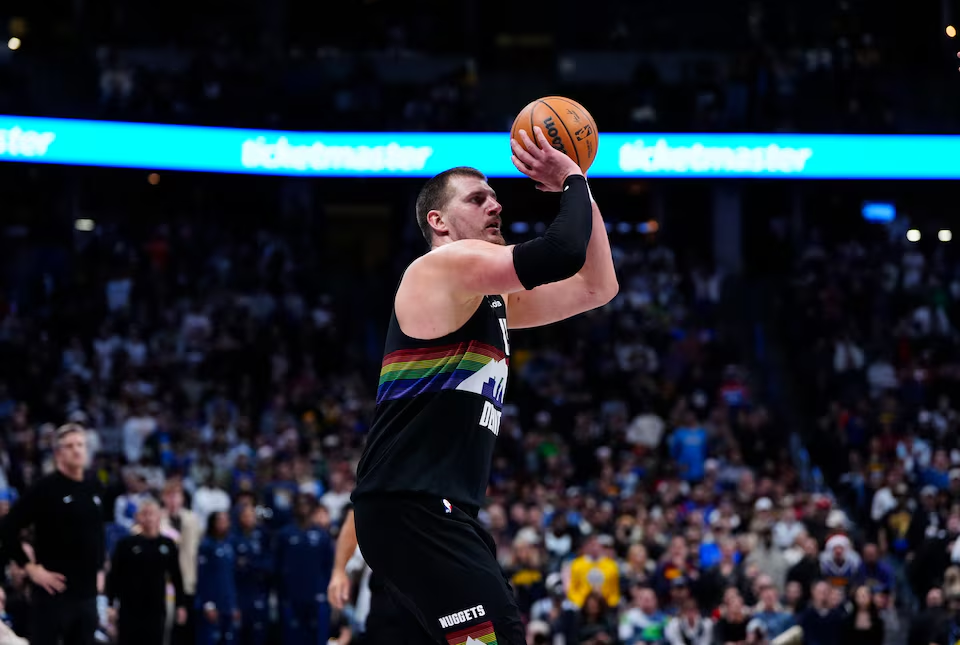
Fatigue is one of the biggest challenges to shooting accuracy in basketball. As players tire, their mechanics begin to break down.
Legs generate less power, forcing the upper body to compensate. This often leads to flatter shots or inconsistent release points. Even slight deviations can significantly reduce accuracy.
Elite players train to maintain their mechanics under fatigue. Conditioning drills often include shooting exercises at the end of intense workouts to simulate game conditions.
This ability to sustain proper form late in games is what separates good shooters from great ones.
Mental Focus and Decision-Making
Shooting accuracy in basketball is not purely physical. The mental aspect plays a significant role.
Confidence affects execution. A hesitant shooter is more likely to alter their mechanics, even slightly. That small change can be the difference between a made shot and a miss.
Decision-making also matters. Taking the right shot at the right time increases overall accuracy. Even the best shooters struggle when forced into low-percentage attempts.
Players like Kevin Durant excel not just because of their technique, but because of their ability to create high-quality shooting opportunities.
Why Some Players Are Naturally Better Shooters
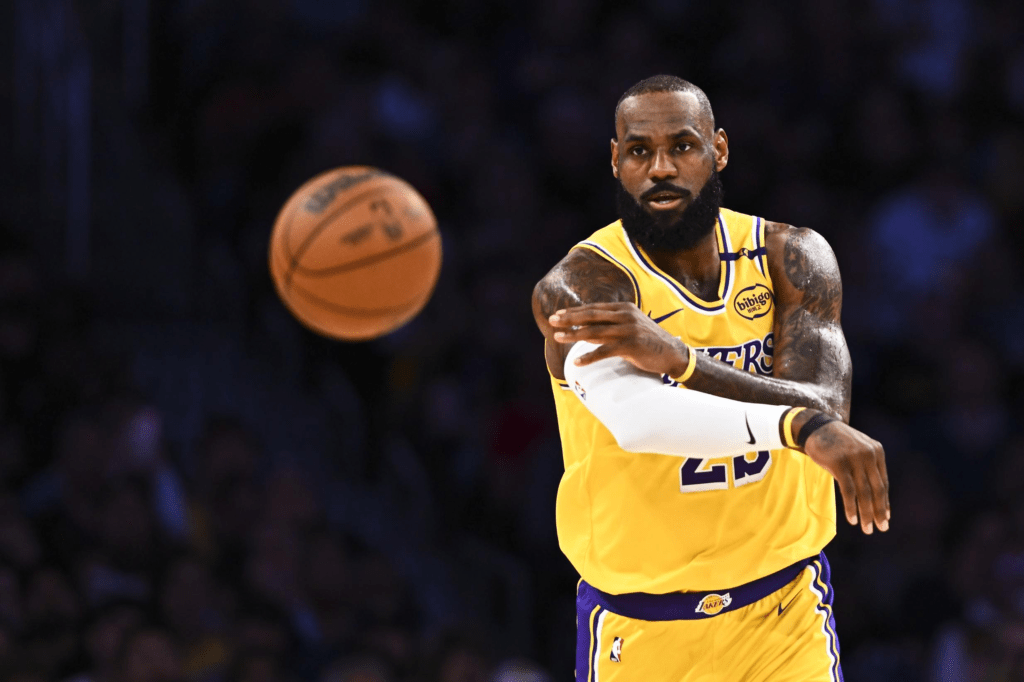
While shooting accuracy in basketball can be developed, certain physical traits can provide an advantage.
Arm length, hand size, and natural coordination all influence shooting mechanics. Taller players like Kevin Durant benefit from higher release points, making their shots harder to contest.
However, natural ability alone is not enough. Many players with ideal physical attributes never become elite shooters. What separates the best is their commitment to refining technique and maintaining consistency.
Technology and Modern Shooting Development
Modern basketball has embraced technology to improve shooting accuracy. Motion tracking systems analyze shooting form in detail, identifying inefficiencies that are not visible to the naked eye.
Video analysis allows players to compare their mechanics over time, ensuring consistency. Shooting machines enable high-volume practice with immediate feedback.
These tools have transformed how players develop their shooting ability. Instead of relying solely on feel, they now use data to guide improvement.
Conclusion
Shooting accuracy in basketball is a blend of science and skill. It is shaped by biomechanics, refined through repetition, and sustained by mental focus.
Every made shot represents a precise combination of balance, coordination, and technique. The players who master these elements achieve consistency, which is the true measure of elite shooting.
As the game continues to evolve, the science behind shooting accuracy will only become more important. Those who understand and apply it will continue to set the standard for excellence on the court.
