Members of the Sri Lanka national cricket team have expressed serious concerns about their safety and requested to leave their ongoing tour of Pakistan following a suicide bombing in Islamabad that killed 12 people.
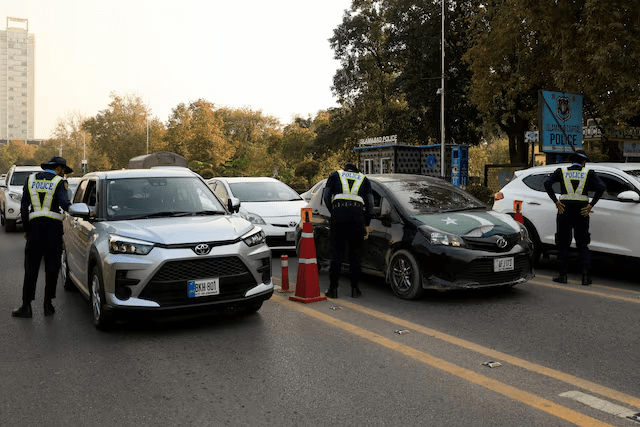
The incident occurred outside a court building in the G-11 area of Islamabad, just hours before the first one-day international (ODI) between Sri Lanka and the Pakistan national cricket team in nearby Rawalpindi. The proximity of the blast—Rawalpindi and Islamabad are barely 20 km apart—triggered immediate alarm among the touring Sri Lankan squad.
According to the Sri Lankan cricket board, some players and supporting staff signalled their intent to return home citing safety fears. In response, the Sri Lanka Cricket (SLC) issued a firm directive stating that all players, support personnel and management must stay on and continue with the tour.
SLC emphasised that it had “engaged with the players” and had worked with the Pakistan Cricket Board (PCB) and relevant Pakistani authorities to ensure the touring party’s safety. The board also warned that any player or member of the staff who leaves without authorisation would be subject to formal review and immediate replacement to keep the series on schedule.
Meanwhile, PCB chairman and Pakistan’s Interior Minister, Mohsin Naqvi, thanked Sri Lanka for their decision to continue the tour and highlighted enhanced security measures that had been put in place for the delegation.
The series had already begun with Pakistan narrowly winning the first match by six runs. Despite the violence and raised tensions, the SLC’s decision signals its intent to uphold commitments and avoid disruption to the scheduled three-match ODI series and subsequent T20 tri-series involving Zimbabwe.
This situation echoes past security issues in Pakistan: Sri Lanka were last targeted in a terror attack in Lahore in 2009. That time, the consequences included an end to strong touring relations and a migration of Pakistan’s “home” matches to the UAE.
The key questions now revolve around how the tour will proceed under elevated security scrutiny and whether the players will feel secure enough to continue. For Sri Lanka’s cricket board, the directive underscores a stringent stance: players are expected to fulfil their tour obligations unless formally cleared otherwise.