Stadiums are more than concrete structures with seats and floodlights. They are the beating heart of sport—places where history is written, legends are born, and millions of fans share unforgettable emotions. Across the world, certain stadiums have risen above the rest because of their history, architectural brilliance, fan atmosphere, and cultural importance.
From football cathedrals in Europe to colossal arenas in Asia and America, the greatest stadiums combine cutting-edge design with unforgettable sporting moments. Some host World Cup finals, others pack in more than 100,000 spectators, while a few are simply known for the electrifying atmosphere created by passionate fans.
In this article, we explore the top 10 best stadiums in the world, examining what makes each one special and why they remain iconic landmarks in global sport.
1. Rungrado 1st of May Stadium (North Korea)
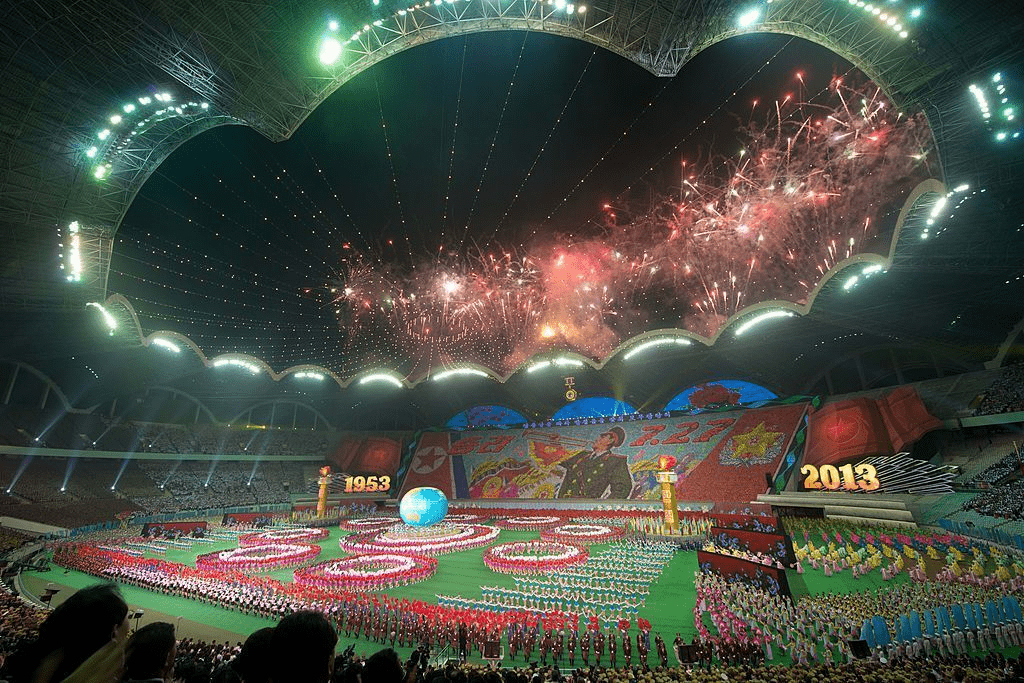
The Rungrado 1st of May Stadium in Pyongyang stands as one of the most remarkable sporting venues ever built. With a capacity of over 113,000 spectators, it is among the largest stadiums on Earth.
Opened in 1989 on Rungra Island in the Taedong River, the stadium’s design resembles a giant magnolia flower with 16 arching roof segments. This distinctive architecture makes it instantly recognizable and visually striking.
Although it hosts football matches and athletics events, the stadium is also famous for its massive cultural spectacles such as the Arirang Mass Games. These performances involve tens of thousands of participants performing synchronized choreography and gymnastics.
What truly sets Rungrado apart is scale. The stadium spans over 20 hectares and is capable of hosting crowds that rival those of entire small cities. The sheer size and spectacle of events held there make it one of the most extraordinary sports venues in the world.
2. Narendra Modi Stadium (India)
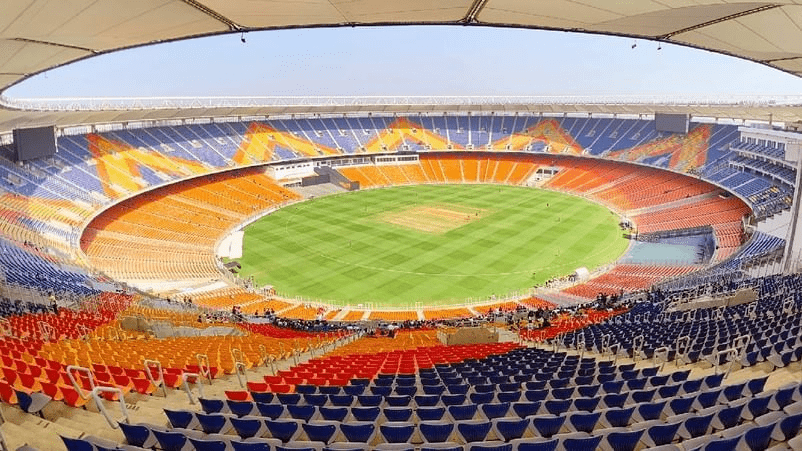
Located in Ahmedabad, India, the Narendra Modi Stadium is currently the largest stadium in the world, capable of holding approximately 132,000 spectators.
Originally built in 1983 and completely renovated in 2020, the stadium represents the modern future of sports infrastructure. It is primarily used for cricket and has hosted several high-profile international tournaments.
The design incorporates advanced lighting, massive seating tiers, and modern fan facilities, making it one of the most technologically advanced stadiums ever constructed. Unlike many older venues, every seat is designed to provide a clear view of the field.
The stadium has already hosted record-breaking cricket matches and continues to serve as the centerpiece of Indian cricket. Its size, design, and modern amenities make it one of the most impressive sports arenas on the planet.
3. Camp Nou (Spain)

Few stadiums in the world carry the mystique of Camp Nou, the legendary home of FC Barcelona.
With a seating capacity of around 99,000, it is the largest football stadium in Europe and one of the most iconic venues in world football.
Opened in 1957, Camp Nou has witnessed some of the greatest players in history, including Lionel Messi, Ronaldinho, Johan Cruyff, and Diego Maradona. The stadium has also hosted major events such as the 1999 UEFA Champions League final.
But what truly makes Camp Nou special is the atmosphere. When Barcelona fans chant “Mes Que Un Club” (“More than a Club”), the stadium becomes a living symbol of Catalan identity and football culture.
Even as renovations transform it into a modern super-stadium, Camp Nou remains one of the spiritual homes of the beautiful game.
4. Wembley Stadium (England)
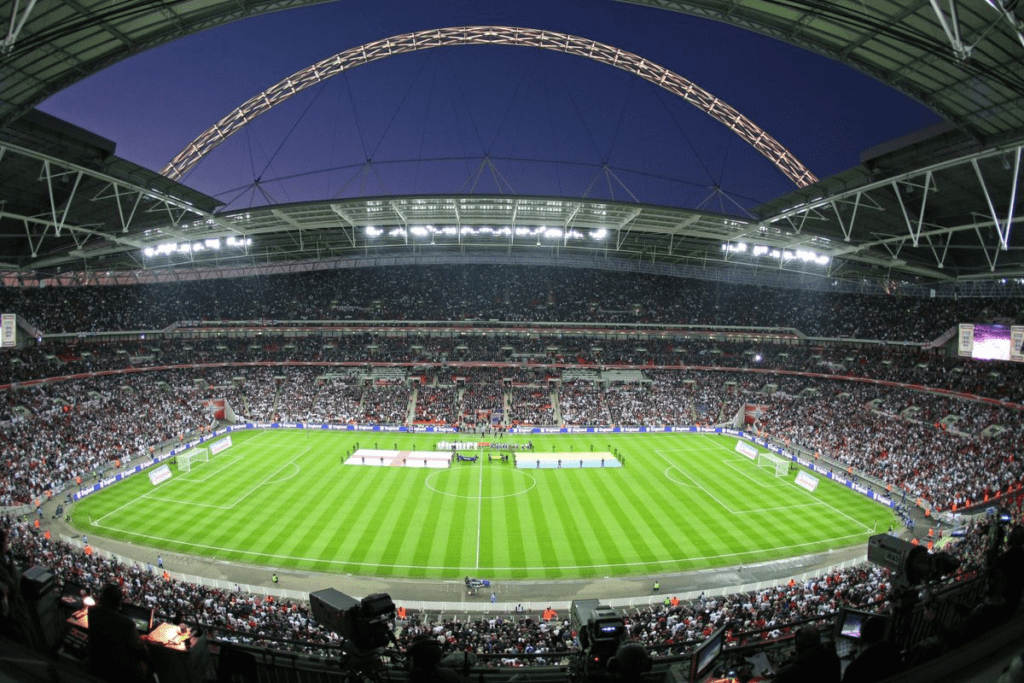
No list of the world’s best stadiums would be complete without Wembley Stadium in London.
Rebuilt in 2007 on the site of the original Wembley, the modern version seats around 90,000 spectators and is instantly recognizable by its massive arch that towers above the London skyline.
Wembley has hosted countless historic moments including FA Cup finals, UEFA Champions League finals, European Championship matches, and international football fixtures.
The stadium also doubles as a global entertainment venue, hosting concerts by some of the world’s biggest music stars.
For English football fans, Wembley is considered the “home of football.” Its rich history and emotional significance ensure its place among the greatest stadiums ever built.
5. Melbourne Cricket Ground (Australia)
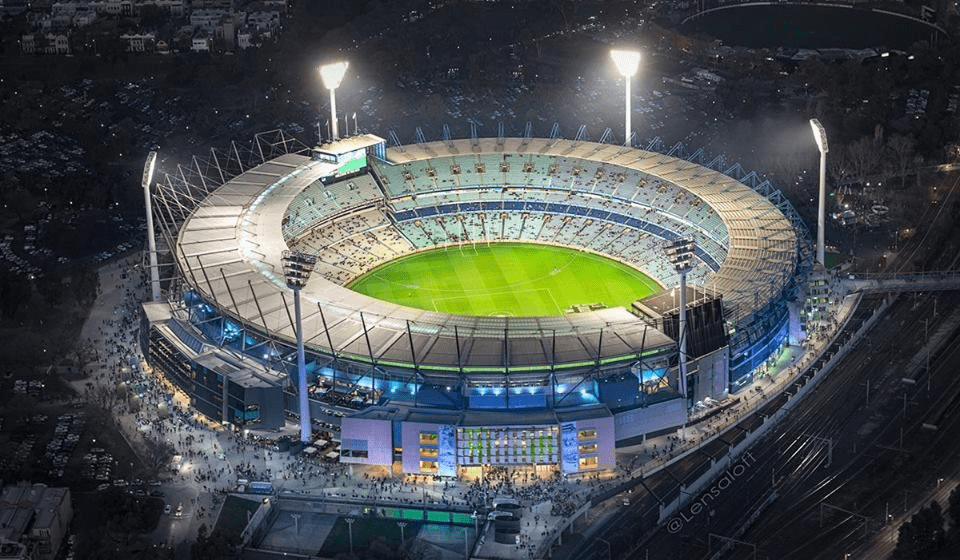
Known simply as the MCG, the Melbourne Cricket Ground is one of the most historic and beloved stadiums in the world.
With a capacity of over 100,000 spectators, it is the largest stadium in the Southern Hemisphere.
Opened in 1853, the MCG has hosted numerous global sporting events including the 1956 Olympic Games and the 1992 Cricket World Cup final.
The stadium serves as the home of Australian cricket and Australian rules football, drawing massive crowds for major matches. Its iconic atmosphere during the Boxing Day Test match has become a cherished tradition in international cricket.
The combination of history, size, and sporting importance makes the MCG a true global sporting landmark.
6. Estadio Azteca (Mexico)

In the heart of Mexico City stands one of football’s most historic venues: Estadio Azteca.
With a capacity of over 87,000 spectators, the stadium has hosted some of the greatest moments in football history.
It is the only stadium to host two FIFA World Cup finals in 1970 and 1986.
These tournaments produced legendary moments including Diego Maradona’s famous “Hand of God” goal and the stunning “Goal of the Century” against England.
Estadio Azteca remains the home of Mexico’s national team and Club América. The high altitude of Mexico City and the passionate Mexican fans create an intimidating atmosphere for visiting teams.
Few stadiums have seen as much football history as this iconic arena.
7. Lusail Stadium (Qatar)
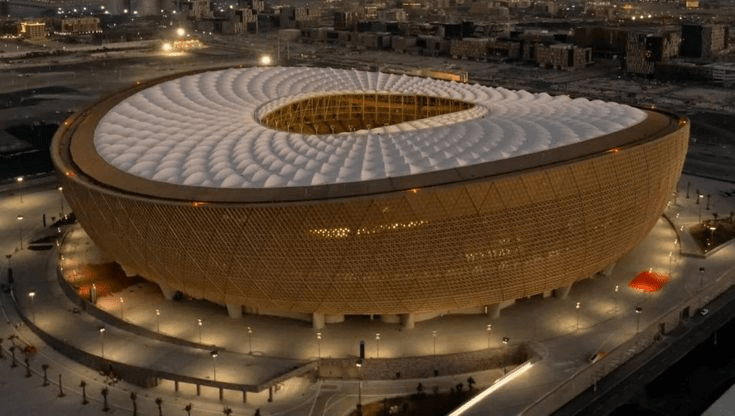
The Lusail Stadium represents the modern era of stadium design and innovation.
Built for the 2022 FIFA World Cup, the stadium has a capacity of nearly 89,000 spectators and hosted the tournament’s final between Argentina and France.
The stadium’s design was inspired by traditional Arabic lanterns and bowls used in Middle Eastern art. Its golden exterior glows under stadium lights, creating a spectacular visual effect.
Inside, Lusail features state-of-the-art cooling technology designed to keep spectators comfortable in Qatar’s hot climate.
Beyond its aesthetics, Lusail Stadium symbolizes the rapid evolution of sports infrastructure in the Middle East.
8. Signal Iduna Park (Germany)
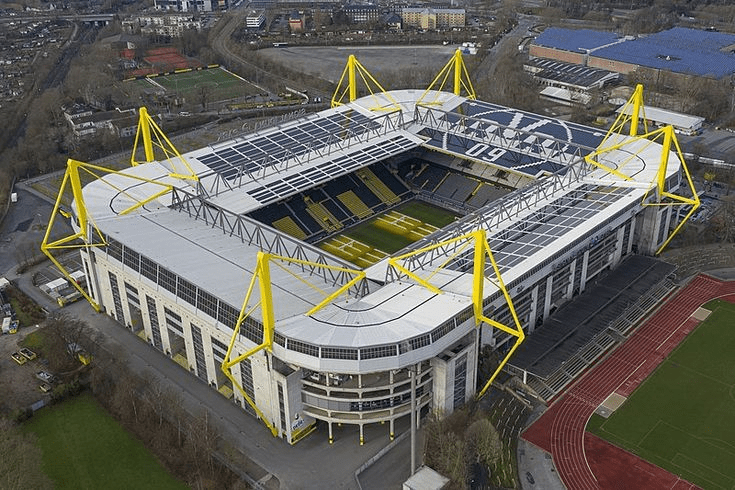
Home to Borussia Dortmund, Signal Iduna Park is widely considered the stadium with the best atmosphere in world football.
With a capacity of over 81,000 spectators, it is the largest stadium in Germany.
The stadium’s most famous feature is the “Yellow Wall,” a massive standing terrace that holds more than 20,000 Dortmund supporters.
When Borussia Dortmund plays at home, the roar from the Yellow Wall creates one of the most intimidating atmospheres in football.
The stadium also hosted matches during the 2006 FIFA World Cup and regularly records some of the highest attendance figures in Europe.
For pure fan passion and energy, few stadiums can match Signal Iduna Park.
9. FNB Stadium (South Africa)
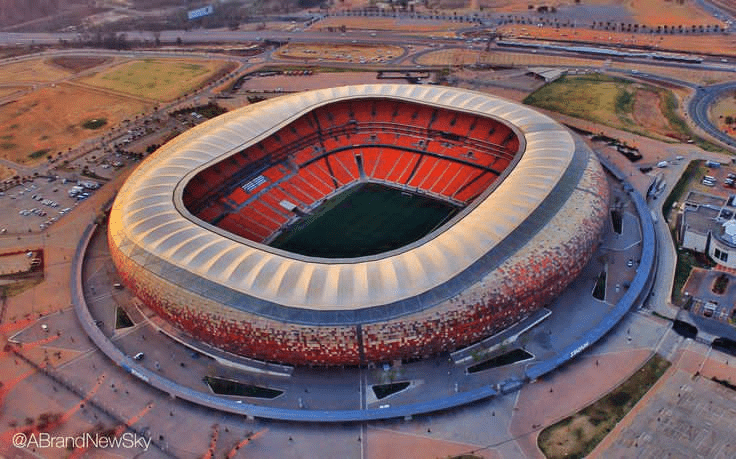
Located in Johannesburg, FNB Stadium—often called Soccer City is Africa’s largest stadium.
The venue holds nearly 95,000 spectators and hosted the 2010 FIFA World Cup final, where Spain defeated the Netherlands.
Its design resembles a traditional African calabash pot, symbolizing unity and cultural heritage.
Beyond football, the stadium holds deep historical significance. It was the site of Nelson Mandela’s first major speech after his release from prison in 1990.
Today, FNB Stadium stands as a powerful symbol of South Africa’s sporting and cultural identity.
10. Rose Bowl (United States)

The Rose Bowl in Pasadena, California, is one of the most famous stadiums in American sports history.
Opened in 1922, the stadium has a capacity of over 90,000 spectators and hosts the annual Rose Bowl college football game.
It has also hosted major international football events, including the 1994 FIFA World Cup final and the 1999 FIFA Women’s World Cup final.
The stadium’s classic bowl design, scenic surroundings, and long sporting tradition make it one of the most beloved venues in the United States.
For generations of fans, the Rose Bowl represents the golden era of stadium architecture and sporting spectacle.
Why Stadiums Matter in Modern Sport
Stadiums are far more than venues where games are played. They are cultural landmarks that reflect the identity of teams, cities, and even nations.
The greatest stadiums share several common qualities:
- History: Legendary matches and iconic moments.
- Architecture: Innovative or visually striking designs.
- Atmosphere: Passionate fans that create unforgettable experiences.
- Capacity: The ability to bring together tens of thousands of supporters.
In recent decades, stadium design has evolved significantly. Modern venues focus on fan comfort, advanced technology, and sustainability while still preserving the emotional connection between supporters and their teams.
The Future of Stadium Design
The next generation of stadiums will likely focus on several key innovations:
- Retractable roofs and pitches
- Smart seating technology
- Advanced digital fan experiences
- Sustainable construction and energy use
Cities around the world continue to invest billions in new stadium projects, recognizing their value not just as sports venues but as economic and cultural hubs.
Conclusion
From the colossal Narendra Modi Stadium to the historic Estadio Azteca and the electrifying Signal Iduna Park, the world’s greatest stadiums offer far more than a place to watch sports.
They are stages for unforgettable moments, symbols of national pride, and homes for passionate fans who bring the game to life.
As sports continue to grow globally, these iconic arenas will remain at the center of the action places where history is written and dreams come true.