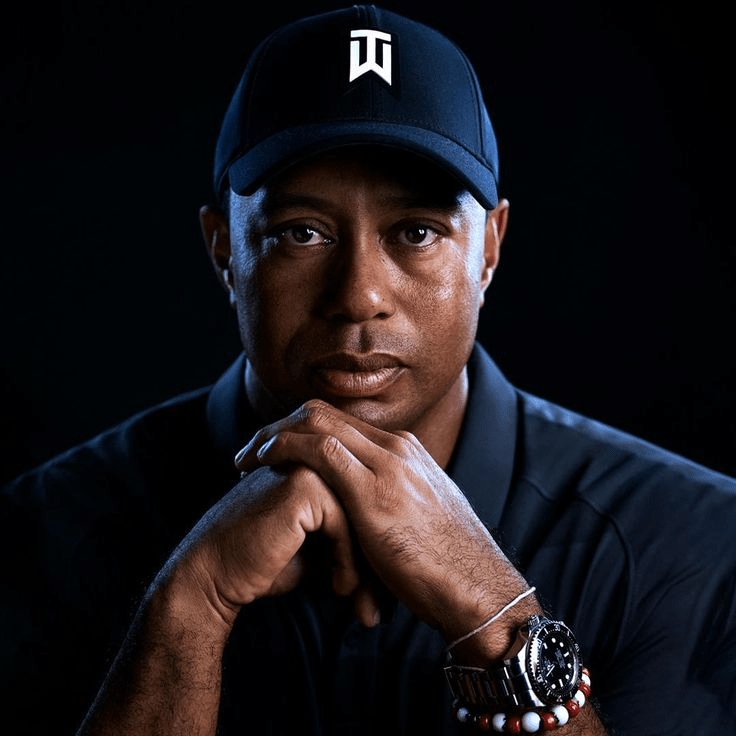
The return of Tiger Woods to competitive golf in the 2026 TGL Finals is more than just another sporting headline it is a defining moment in modern golf, a powerful narrative of resilience, and a potential turning point in one of the greatest careers the sport has ever seen. After more than a year away from competitive play due to injuries and surgeries, Woods’ decision to step back into action has reignited global excitement and raised significant questions about what lies ahead.
A Comeback Years in the Making
Woods’ return in the TGL Finals marks his first meaningful competitive appearance since mid-2024, ending a long and uncertain absence from the game. Over the past few years, his career has been defined as much by his battles with injury as by his legendary achievements. From multiple back surgeries to an Achilles tendon rupture, the physical toll on his body has been immense.
For a player who has built his legacy on dominance, precision, and mental toughness, stepping away from competition was never simply about recovery it was about survival in elite sport. Woods has consistently shown a willingness to fight through adversity, but even by his standards, this latest comeback may be his most challenging yet.
The 2026 TGL Finals therefore represent not just a return, but a test: can Woods still compete, even in a modified format, at a level that justifies continued participation in top-tier golf?
Understanding the TGL Format

To fully appreciate the significance of Woods’ return, it is important to understand the nature of the TGL. Founded by Woods himself alongside Rory McIlroy, the league blends traditional golf with cutting-edge technology. Matches are played in a high-tech indoor arena, combining simulator shots with real short-game play.
This format offers several advantages, particularly for a player like Woods:
- Reduced physical strain due to minimal walking
- Shorter match durations
- Controlled playing conditions
These factors make TGL an ideal platform for a gradual return to competitive golf. Unlike the physically demanding PGA Tour events, which require endurance over four days, TGL allows Woods to ease back into the rhythm of competition without overtaxing his recovering body.
The Stakes in the Finals
Woods is returning at the most critical moment of the season the TGL Finals. His team, Jupiter Links Golf Club, is competing against Los Angeles Golf Club in a best-of-three series. However, the situation is far from comfortable. Jupiter Links lost the opening match 6–5, placing them on the brink of elimination.
This context adds pressure to Woods’ return. He is not simply making a ceremonial appearance; he is stepping into a high-stakes environment where his performance could determine whether his team remains in contention.
Moreover, Woods had largely served as a mentor and non-playing captain throughout the season. His sudden inclusion in the lineup underscores both the urgency of the situation and the belief within the team that his presence—both as a player and leader—can make a decisive difference.
Physical Condition and Limitations
One of the central questions surrounding Woods’ return is his physical readiness. At 50 years old and coming off multiple surgeries, including a recent lumbar disc procedure, he is far removed from the peak physical condition that once allowed him to dominate the sport.
Reports suggest that even in this TGL appearance, Woods may only be required to hit a limited number of shots, possibly around a dozen. This reflects both the nature of the format and the careful management of his workload.
Woods himself has acknowledged the reality of his condition, noting that recovery is no longer linear and that he experiences both good and bad days physically. This candid admission highlights the delicate balance he must maintain between pushing his limits and avoiding further injury.
Psychological Impact and Competitive Mindset
While much attention is understandably focused on Woods’ physical state, his psychological readiness is equally important. Throughout his career, Woods has been known for his unparalleled mental strength the ability to perform under pressure, to intimidate opponents, and to deliver in crucial moments.
Returning after a long layoff presents a different kind of challenge. There is uncertainty, not just about physical performance, but about competitive sharpness. Timing, decision-making, and confidence are all factors that can only be fully tested in real competition.
However, if history is any guide, Woods thrives in moments like these. His career has been punctuated by dramatic comebacks, most notably his victory at the 2019 Masters, which many consider one of the greatest sporting achievements of all time.
Implications for the Masters Tournament
Perhaps the most intriguing aspect of Woods’ return is its timing. The TGL Finals take place just weeks before the Masters Tournament, one of the most prestigious events in golf and a tournament Woods has won five times.
Speculation about his participation in the Masters has been growing, and his appearance in the TGL Finals is widely seen as a potential indicator of his intentions.
While Woods has not confirmed whether he will compete at Augusta, this return suggests that he is at least considering it. The TGL Finals serve as a low-risk opportunity to assess his readiness and gauge how his body responds to competitive play.
If he performs well and emerges injury-free, the likelihood of a Masters appearance increases significantly. Conversely, any setbacks could lead him to delay his return to traditional tournament play.
The Broader Impact on Golf
Woods’ return extends beyond his personal journey it has broader implications for the sport of golf. Few athletes in history have had as much influence on their sport as Woods has on golf. His presence alone can elevate interest, boost viewership, and inspire a new generation of players.
The TGL league itself is a testament to his vision for the future of golf. By combining technology with traditional elements of the game, TGL aims to attract a younger, more diverse audience. Woods’ participation in the finals adds credibility and excitement to the league, potentially accelerating its growth and popularity.
Furthermore, his comeback reinforces the enduring appeal of golf as a sport where experience and skill can sometimes outweigh physical limitations. Even at 50, Woods remains a central figure in the game, capable of capturing the imagination of fans worldwide.
What to Expect from His Performance
Predicting Woods’ performance in the TGL Finals is challenging. On one hand, his lack of recent competitive play and physical limitations suggest that expectations should be tempered. On the other hand, his experience, skill, and competitive instincts make it unwise to count him out.
In a format like TGL, where matches are shorter and more strategic, Woods’ strengths could still shine. His ability to read situations, execute under pressure, and lead his team could prove invaluable.
Even if he is not at his peak, his mere presence could have a psychological impact on both teammates and opponents. Few players command the level of respect—and perhaps intimidation—that Woods does.
Legacy and the Meaning of This Return
At this stage of his career, every appearance by Tiger Woods carries significance. He is no longer just competing for titles; he is adding chapters to a legacy that is already among the greatest in sports history.
With 15 major championships and a career that has spanned decades, Woods has nothing left to prove. Yet his continued desire to compete speaks to a deeper motivation the love of the game and the drive to challenge himself.
This return in the TGL Finals is not about reclaiming past glory; it is about redefining what is possible at this stage of his life and career. It is a reminder that greatness is not just about winning, but about perseverance, adaptability, and the willingness to keep going despite the odds.
Tiger Woods’ return to action in the TGL Finals is a moment that transcends the sport itself. It is a story of resilience, ambition, and the enduring human spirit. After more than a year away from competition, he steps back into the spotlight not as the dominant force of his prime, but as a seasoned competitor navigating the final chapters of an extraordinary career.
Whether or not he leads his team to victory, or goes on to compete in the Masters, this moment is significant in its own right. It represents a bridge between past greatness and present determination a powerful reminder that even legends must fight to write their next chapter.
And as always with Tiger Woods, one thing is certain: the world will be watching.