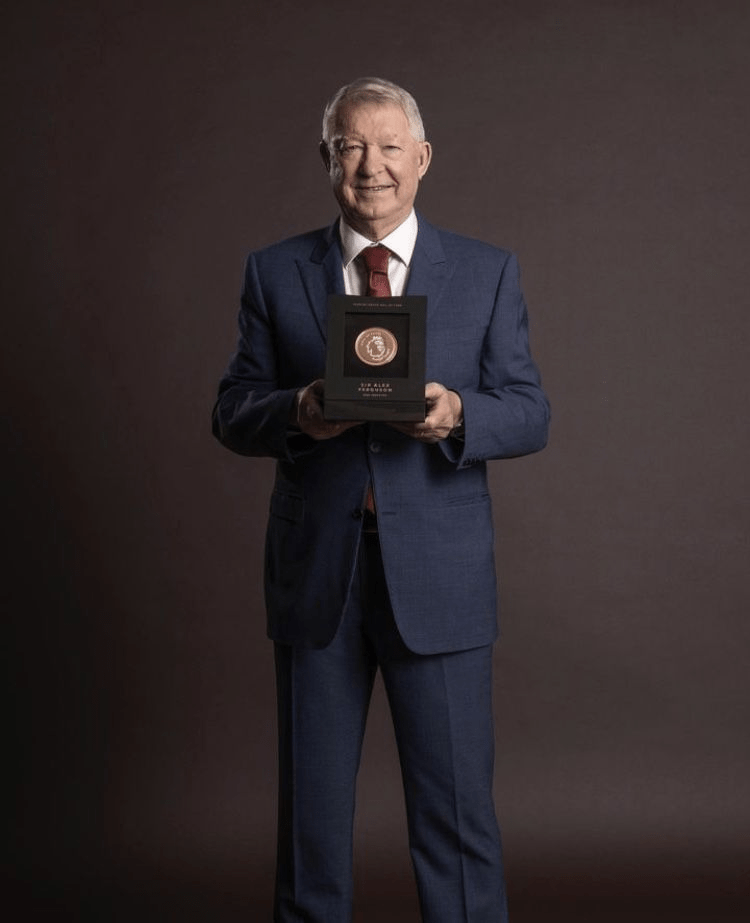
Football history is defined not only by legendary players but also by visionary managers who shaped tactics, built dynasties, and transformed clubs into global powerhouses. These managers didn’t just win trophies they changed how the game is played, influenced generations, and left legacies that still define modern football.
Ranking the greatest managers of all time is never simple. It involves weighing trophies, influence, longevity, tactical innovation, and the ability to build winning teams across different eras. However, certain names consistently stand above the rest due to their extraordinary impact on the sport.
This evergreen article explores the top 10 football managers of all time, highlighting their achievements, philosophies, and lasting influence on the beautiful game.
1. Sir Alex Ferguson – The Ultimate Dynasty Builder
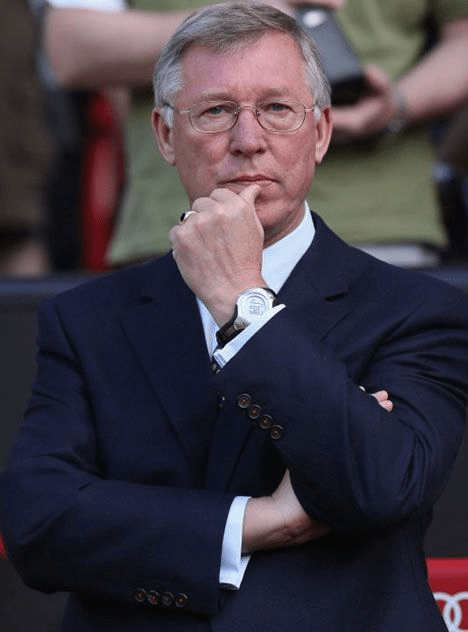
No discussion about football’s greatest managers begins anywhere else. Sir Alex Ferguson is widely regarded as the most successful and influential manager in history, with an incredible trophy haul and unmatched longevity.
During his 26-year tenure at Manchester United, Ferguson won 13 Premier League titles, 2 UEFA Champions League trophies, and dozens of domestic honors. His ability to rebuild teams across different generations transitioning from players like Eric Cantona to Cristiano Ronaldo demonstrates his adaptability.
What truly sets Ferguson apart is his leadership. He controlled dressing rooms filled with superstar personalities, maintained discipline, and constantly evolved tactically. His legacy is not just in trophies but in the culture he built a winning mentality that defined Manchester United for decades.
2. Rinus Michels – The Architect of Modern Football
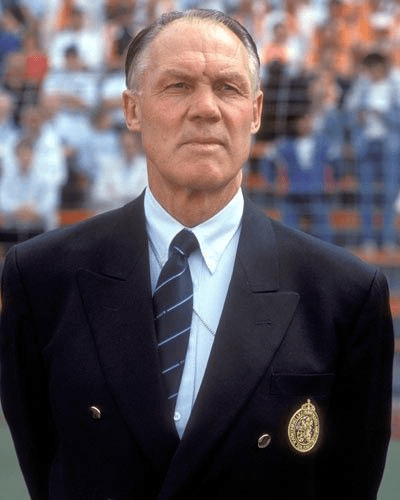
Rinus Michels revolutionized football with the concept of “Total Football,” a system where players could interchange positions fluidly. His tactical philosophy laid the foundation for modern possession-based football.
At Ajax and FC Barcelona, Michels introduced a style that emphasized intelligence, movement, and teamwork. He later led the Netherlands national team to victory at Euro 1988.
His influence extends far beyond his own achievements. Many modern managers, including Pep Guardiola, built their philosophies on Michels’ ideas, making him one of the most important figures in football history.
Also Read: Top 10 Controversial Football Matches in History
3. Pep Guardiola – The Tactical Innovator
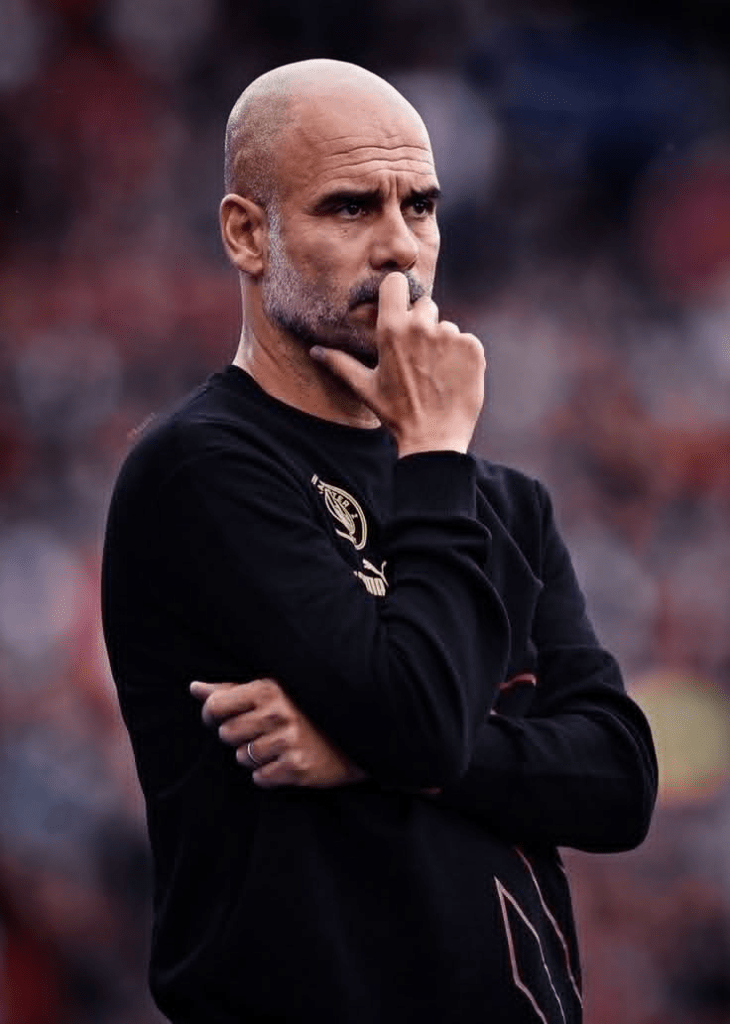
Pep Guardiola represents the evolution of modern football. Known for his possession-based style and tactical innovation, he has dominated multiple leagues with different teams.
At FC Barcelona, Guardiola created one of the greatest teams ever, winning multiple Champions League titles. His success continued with Bayern Munich and Manchester City.
Guardiola is also one of the most decorated managers, with dozens of trophies to his name. His influence on tactics particularly positional play and pressing has reshaped football in the 21st century.
4. Carlo Ancelotti – The Master of Balance
Carlo Ancelotti is one of the most successful and respected managers in football history. Known for his calm demeanor and tactical flexibility, he has succeeded in multiple leagues and competitions.
He is the most successful manager in UEFA Champions League history and has won league titles in several top European leagues. Managing clubs like AC Milan, Real Madrid, and Chelsea, Ancelotti has consistently delivered results.
What sets him apart is his ability to manage star players effectively, creating harmony within teams filled with elite talent.
5. Johan Cruyff – The Philosopher
Johan Cruyff was not just a manager he was a visionary who reshaped football philosophy. At FC Barcelona, he introduced a style that would later evolve into “tiki-taka.”
His emphasis on youth development led to the success of La Masia, producing players who would dominate world football. Cruyff’s influence can still be seen in Barcelona’s identity and in the tactics of modern managers.
He built more than a team he built a philosophy that continues to shape football globally.
6. Arrigo Sacchi – The Tactical Revolutionary
Arrigo Sacchi transformed football with his innovative approach to pressing and team organization. His AC Milan side of the late 1980s is widely regarded as one of the greatest teams ever.
Sacchi emphasized teamwork over individual brilliance, introducing structured pressing systems that are now standard in modern football.
His ideas influenced countless managers and changed defensive and tactical strategies across the sport.
7. José Mourinho – The Serial Winner
José Mourinho is one of the most successful and charismatic managers in football history. Known as “The Special One,” he has won league titles in multiple countries and Champions League trophies with different clubs.
His triumphs with FC Porto and Inter Milan remain iconic, particularly his 2010 treble-winning season.
Mourinho’s tactical discipline, defensive organization, and psychological edge make him one of the greatest competitors the game has seen.
8. Bob Paisley – The Quiet Genius
Bob Paisley may not have had the global fame of others, but his achievements with Liverpool FC are extraordinary.
In just nine years, he won three European Cups and multiple league titles, making Liverpool one of the most dominant teams of the era.
Paisley’s calm leadership and tactical intelligence allowed him to build a winning machine that defined an era of English football.
9. Brian Clough – The Miracle Worker
Brian Clough achieved one of the most remarkable feats in football history. He took Nottingham Forest from the second division to winning back-to-back European Cups.
This achievement is often described as one of the greatest managerial accomplishments ever. Clough’s confidence, charisma, and belief in his methods made him a unique figure in football.
He proved that success is not always about resources it is about vision and execution.
10. Helenio Herrera – The Defensive Mastermind
Helenio Herrera was a pioneer of defensive football, perfecting the “catenaccio” system at Inter Milan.
He led the club to consecutive European Cup victories and introduced a level of discipline and organization that became a blueprint for defensive strategies.
Herrera also emphasized mental strength and professionalism, setting standards that are still relevant in modern football.
Honorable Mentions
Several legendary managers narrowly miss the top 10 but deserve recognition:
- Arsène Wenger – Revolutionized English football with diet, training, and style
- Jürgen Klopp – Popularized high-intensity “gegenpressing”
- Sir Matt Busby – Built Manchester United’s early dynasty
- Valeriy Lobanovskyi – Pioneer of data-driven football systems
What Makes a Great Football Manager?
The greatest managers share several key traits:
- Tactical Innovation: Introducing new systems and strategies
- Leadership: Managing players and maintaining discipline
- Longevity: Sustaining success over many years
- Adaptability: Evolving with the game
- Winning Mentality: Consistently delivering results
Football has evolved significantly over the decades, but these qualities remain constant among the greatest managers.
The history of football is filled with legendary managers who have shaped the sport in unique ways. From Sir Alex Ferguson’s dominance to Pep Guardiola’s tactical revolution, each figure on this list has left an indelible mark on the game.
While new managers continue to emerge and challenge these legacies, the influence of these icons remains unmatched. Their ideas, achievements, and philosophies continue to inspire football at every level from grassroots to the global stage.
In the end, great managers do more than win they redefine what is possibe in football.