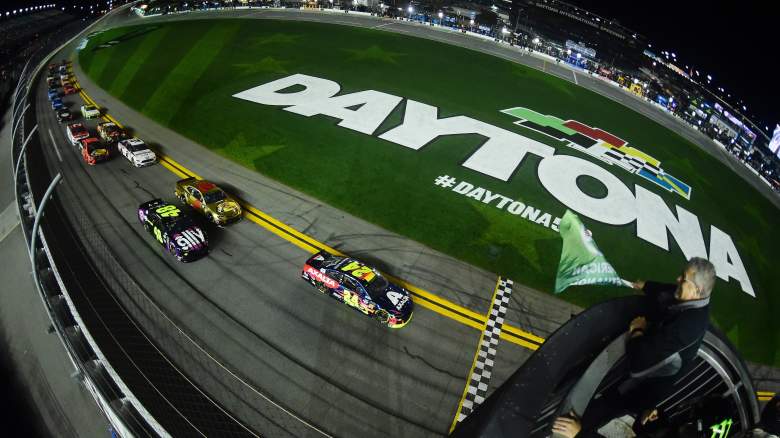
The Daytona 500 start time has officially been moved forward as NASCAR takes decisive action to avoid severe weather threatening Sunday’s race at Daytona International Speedway.
In a proactive adjustment ahead of the 68th running of the Great American Race, NASCAR confirmed that the Daytona 500 start time will shift one hour earlier than originally planned due to an expected rain system moving into the Daytona Beach area later in the evening. The move is designed to maximize the likelihood of completing the full 200-lap event without interruption.
Daytona 500 Start Time Officially Moved Up
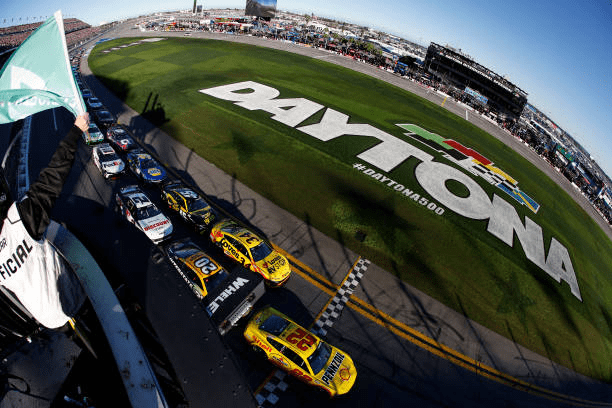
The 2026 Daytona 500 will take place on Sunday, February 15, but the revised Daytona 500 start time is now central to race-day planning.
Television coverage will begin at 1:30 p.m. ET, with the green flag scheduled to wave at approximately 2:14 p.m. ET.
NASCAR officials made the announcement Saturday after updated meteorological reports showed a growing threat of heavy precipitation later in the day. By advancing the Daytona 500 start time, organizers aim to create a larger weather window to run the full 500-mile distance.
Why the Daytona 500 Start Time Was Changed
The primary reason for the Daytona 500 start time shift is a developing weather system forecasted to bring rain and possible thunderstorms to Daytona Beach Sunday evening.
Current projections indicate a 35 percent chance of precipitation during the day, escalating to approximately 85 percent by nighttime. Winds are expected to blow from the south at around 17 mph, with temperatures reaching 75 degrees Fahrenheit.
For NASCAR, timing is critical. A race must reach the halfway mark of 100 laps, or 250 miles, to be considered official in the event rain forces a stoppage. Moving the Daytona 500 start time earlier increases the probability that the field can surpass that threshold before significant rainfall arrives.
In previous years, rain has disrupted the Daytona 500, leading to postponements or extended delays. Officials are determined to avoid a repeat scenario for one of motorsport’s most prestigious events.
Daytona 500 Starting Grid Set for 2026
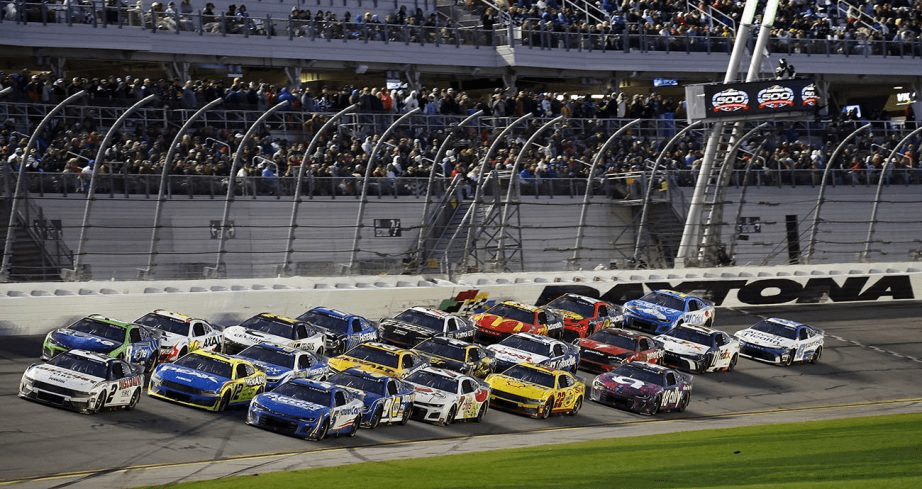
With the Daytona 500 start time locked in, attention now turns to a competitive starting grid.
Kyle Busch will lead the field from pole position in the No. 8 Richard Childress Racing Chevrolet, alongside Chase Briscoe in the No. 19 Joe Gibbs Racing Toyota. The front rows feature established contenders including Joey Logano, Chase Elliott, Ryan Blaney and Kyle Larson.
Further back in the field are former champions and high-profile names such as Denny Hamlin, Brad Keselowski, Jimmie Johnson and William Byron, all poised to capitalize on the unpredictability that defines superspeedway racing.
The Daytona 500 start time adjustment does not alter the race distance, which remains 200 laps around the 2.5-mile oval, totaling 500 miles. Strategy, drafting alliances and late-race positioning will remain decisive factors regardless of the earlier green flag.
What the Early Daytona 500 Start Time Means for Teams and Fans
An earlier Daytona 500 start time compresses pre-race routines for teams while requiring fans to adjust viewing schedules. However, the decision reflects NASCAR’s priority of ensuring a complete race rather than risking a delay extending into Monday.
Weather remains a variable beyond NASCAR’s control, but by moving the Daytona 500 start time forward, officials have given themselves the best possible chance of running the full event under green-flag conditions.
If conditions deteriorate later in the afternoon, the earlier start could prove critical. Should the race pass the 100-lap mark before rain arrives, it would be considered official if halted.
For now, all focus shifts to Sunday afternoon. The Daytona 500 start time may have changed, but the stakes remain identical: 40-plus drivers battling for one of the most coveted trophies in motorsport.
The green flag is set for approximately 2:14 p.m. ET, weather permitting. NASCAR has made its move. Now the drivers must deliver.
