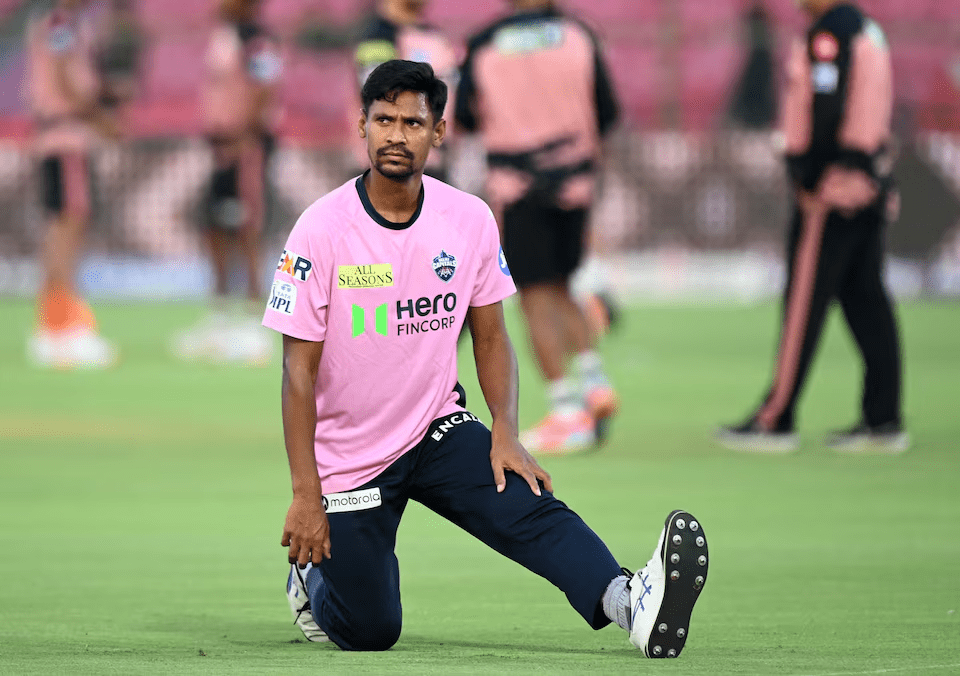
Bangladesh has imposed an indefinite ban on the broadcast and telecast of the 2026 Indian Premier League (IPL) following the controversial release of fast bowler Mustafizur Rahman from the Kolkata Knight Riders (KKR) squad. The decision — announced on Monday, January 5, 2026 — marks a significant escalation in tensions between the Bangladesh government and Indian cricket authorities in the wake of the Mustafizur row.
Official Ban Order and Government Rationale
According to the Ministry of Information and Broadcasting, all broadcast and promotional coverage of the IPL has been halted indefinitely across television and streaming platforms in the country. The directive instructed broadcasters to immediately stop airing matches and related programming until further notice.
The government’s statement said the decision was taken in the “public interest”, reflecting widespread public outrage and national sentiment over the BCCI’s instruction that led to Mustafizur’s exclusion from the KKR squad for this year’s IPL. Officials described the BCCI’s action as lacking any clear and reasonable justification, which has deeply distressed, angered and saddened cricket fans in Bangladesh.
Trigger: Mustafizur’s Release From IPL
The ban comes after the Board of Control for Cricket in India (BCCI) instructed KKR to release Mustafizur Rahman — a decision that made headlines and sparked strong reactions in ban. Mustafizur had been picked in the IPL mini-auction for the 2026 season but was subsequently let go following the board’s directive, which cited unspecified “recent developments.”
This move generated criticism from many in Bangladesh who felt the treatment of their national player was unfair and disappointing. The government’s ban on IPL broadcasts can be seen as a political and sporting response to those sentiments.
Wider Diplomatic and Cricketing Fallout
The broadcast ban is part of a broader escalation in cricket ties between India and Bangladesh. Alongside the media blackout, Bangladesh has also expressed reservations about sending its national team to India for the upcoming ICC Men’s T20 World Cup, citing security concerns and linking the decision to the IPL controversy.
Officials from the Bangladesh Cricket Board (BCB) have reportedly lodged formal requests with the International Cricket Council (ICC) to relocate their T20 World Cup fixtures outside India, although the ICC has yet to respond publicly.
Public and Political Reaction in Bangladesh
The decision to block IPL broadcasts has stirred passionate reactions in Bangladesh:
- Cricket fans and citizen groups argue the BCCI’s handling of Mustafizur’s situation was unjust and undermined national pride.
- Public anger has played a major role in prompting the government’s decisive stance against IPL telecasts.
- Critics say the ban highlights rising sensitivities in bilateral sporting relations tied to broader diplomatic frictions.
Impact on Cricket Viewership and Relations
The ban effectively cuts off Bangladesh’s access to watching one of the world’s most popular cricket leagues on domestic TV and streaming platforms. This could hurt broadcasters and advertisers who traditionally benefit from IPL viewership in Bangladesh’s lucrative cricket market. However, government officials have indicated that protecting national sentiment and public interests outweighs commercial considerations at this time.
Cricket analysts believe the fallout could affect future cricketing cooperation, tours, and broadcast deals between the BCCI and the Bangladesh Cricket Board, unless diplomatic engagement helps ease tensions.
In summary: In a dramatic reaction to the IPL’s handling of Mustafizur Rahman’s exclusion from the Kolkata Knight Riders squad — following a BCCI directive — the Bangladesh government has banned the broadcast of the 2026 IPL indefinitely. The move underscores deep public frustration and could have lasting consequences for cricketing ties and bilateral relations between Bangladesh and India.