Modern cricket leagues especially the Indian Premier League (IPL) are no longer just sporting competitions. They are sophisticated entertainment ecosystems built on media, branding, and global fan engagement. What happens on the pitch is only one layer; behind it lies a complex financial engine that generates billions annually.
The IPL, often valued among the richest sports leagues globally, operates through a multi-stream revenue model that ensures profitability for governing bodies, franchises, broadcasters, and sponsors alike.
This evergreen guide breaks down exactly how leagues like the IPL make money from broadcast deals to digital expansion through a sports business lens.
1. Media rights: the backbone of cricket revenue
At the heart of IPL’s financial success lies broadcast and streaming rights, which form the single largest source of revenue.
The league sells exclusive rights to television networks and digital platforms for massive sums. For example, the IPL’s media rights cycle (2023–2027) was sold for approximately ₹48,390 crore, making it one of the most lucrative deals in global sport.
Why media rights are so valuable:
- Massive audience reach (hundreds of millions of viewers)
- High advertising demand during matches
- Short, high-intensity format (T20) ideal for TV
- Prime-time scheduling
Once sold, this revenue is pooled centrally and distributed among franchises. Typically:
- A large share goes to the governing body (like BCCI)
- A significant portion is distributed to teams
This central revenue model guarantees financial stability even before a single ticket is sold.
In sports business terms, media rights are the engine that drives the entire ecosystem.
2. Central revenue pool: the league’s financial system
The IPL operates a centralized revenue-sharing model, which is a key reason for its success.
All major earnings media rights and central sponsorships are pooled together and then shared among franchises based on agreed formulas.
Also Read- Understanding Duckworth–Lewis–Stern (DLS) Match Strategy in Cricket
Typical distribution structure:
- Governing body receives a large percentage
- Franchises collectively receive a major share
- A small portion is allocated to league operations
This model:
- Reduces financial risk for teams
- Ensures competitive balance
- Encourages long-term investment
Unlike many leagues where revenue disparity exists, the IPL’s system ensures that even lower-performing teams remain financially strong.
3. Sponsorship and advertising: brand-driven income

Sponsorship is another major pillar of IPL revenue.
Types of sponsorship revenue:
- Title sponsorship (league-wide)
- Official partners (strategic brands)
- Team sponsorships (jerseys, kits, digital assets)
- On-ground advertising (LED boards, stadium branding)
Brands pay premium prices because:
- IPL delivers massive visibility
- Matches are watched globally
- Engagement is high across TV and digital platforms
Sponsorship revenue is split between:
- Central pool (league deals)
- Individual teams (their own sponsors)
For franchises, jersey sponsorship alone can generate millions annually.
4. Ticket sales and matchday revenue
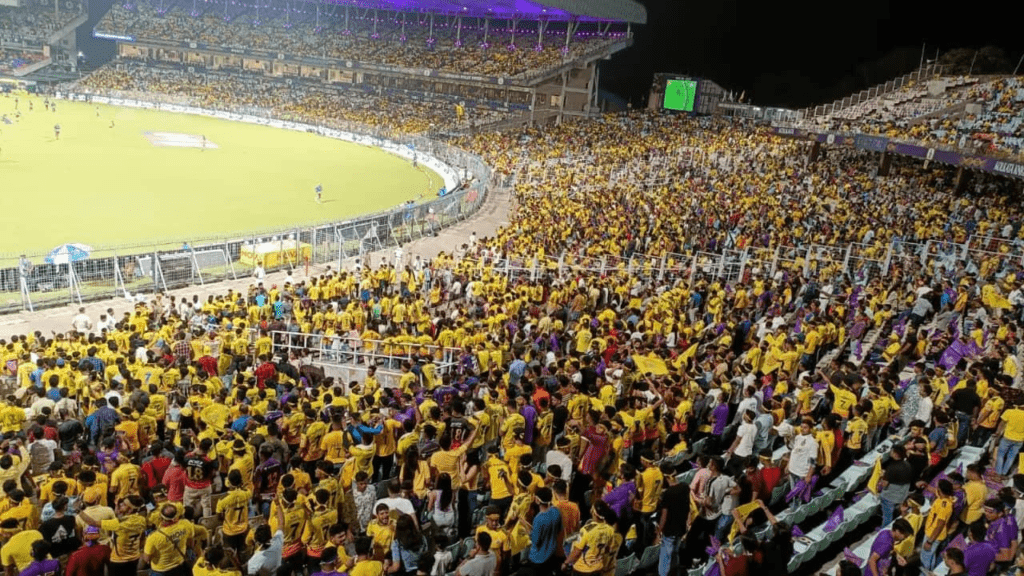
Even in the age of digital streaming, stadium revenue remains important.
Key matchday income streams:
- Ticket sales (general and premium seating)
- VIP boxes and hospitality packages
- Food, beverages, and in-stadium merchandise
Home matches are particularly valuable for franchises, as they retain a portion of gate receipts.
However, compared to media rights, ticket sales contribute a smaller percentage overall. Still, they are crucial for:
- Fan engagement
- Local brand building
- Matchday atmosphere (which boosts TV appeal)
5. Merchandise and licensing
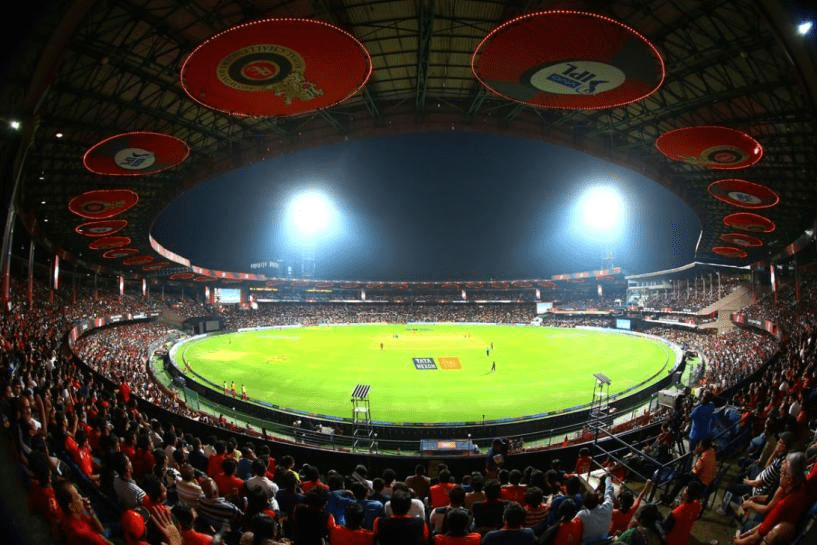
Merchandising is where sport meets lifestyle branding.
Common merchandise revenue:
- Jerseys
- Caps and accessories
- Fan gear and collectibles
Franchises monetize their fan base by turning loyalty into consumption.
Top teams with strong brand identity like Mumbai Indians or Chennai Super Kings generate significant revenue through merchandise sales.
This stream continues year-round, not just during the season.
6. Franchise branding and valuation growth
One of the most overlooked revenue aspects is franchise valuation.
IPL teams are not just sports teams they are assets that appreciate over time.
- The league itself has been valued in billions of dollars
- Individual franchises can be worth hundreds of millions
- Investors and private equity firms actively seek stakes
How teams grow value:
- Building global fan bases
- Signing star players
- Expanding into digital content
- Creating lifestyle brands
Owners often make long-term profits not just from yearly income but from equity appreciation.
7. Digital platforms and new-age revenue
The IPL has rapidly evolved into a digital-first product.
Digital revenue streams:
- OTT streaming rights
- YouTube and social media monetization
- Fantasy sports partnerships
- Mobile apps and fan engagement platforms
Digital viewership has expanded the IPL’s reach beyond traditional TV audiences, especially among younger fans.
This shift has:
- Increased advertising inventory
- Attracted tech companies as sponsors
- Created new monetization channels
8. Prize money and performance incentives
While not the largest revenue stream, prize money still plays a role.
Teams earn bonuses for:
- Winning the tournament
- Finishing in top positions
However, unlike traditional thinking, winning is not the main financial driver in IPL.
Most revenue comes from:
- Media rights
- Sponsorship deals
- Central distribution
This is why even teams that don’t win trophies can still be highly profitable.
9. Year-round business expansion
Modern IPL franchises don’t operate only during the season.
They have evolved into year-round business entities.
Additional revenue activities:
- Running cricket academies
- Hosting events and exhibitions
- Selling digital content
- Expanding into other leagues globally
This diversification ensures:
- Continuous income
- Brand growth
- Reduced dependence on the IPL season
10. Why the IPL model is so successful
The IPL’s business model stands out globally because of its efficiency and scalability.
Key success factors:
- Centralized revenue sharing
- Short, high-value tournament format
- Strong fan engagement
- Limited number of teams (scarcity drives value)
- Integration of sport + entertainment
It generates maximum revenue in a short time frame, unlike leagues that run year-round.
11. Challenges in the IPL business model
Despite its success, the model faces challenges:
- Rising player salaries
- Competition from other T20 leagues
- Sponsorship market shifts
- Regulatory and advertising restrictions
However, its strong foundation ensures resilience.
Conclusion: Cricket’s ultimate business blueprint
The Indian Premier League represents the gold standard of sports business in cricket. Its ability to combine media, marketing, entertainment, and fan engagement into a unified revenue system has transformed the sport.
From billion-dollar media rights to grassroots fan merchandise, every layer of the IPL is monetized strategically. It is not just a league it is a multi-dimensional business ecosystem.
For anyone studying sports business, the IPL offers a powerful lesson:
The future of sport lies not just in competition but in commercialization, storytelling, and global reach.

1 comment
[…] fast bowler Mark Wood has announced his retirement from international cricket due to a recurring knee […]