Boxing has never stood still. From its early bare-knuckle roots to the high-speed, data-driven sport seen today, the fighting techniques in boxing have evolved continuously, shaped by rule changes, athlete conditioning, and tactical innovation. What once relied heavily on brute force and endurance has transformed into a refined science of timing, movement, and precision.
Understanding the evolution fighting techniques in boxing offers a clearer picture of how modern fighters operate and why today’s bouts look vastly different from those of earlier eras.
From Bare-Knuckle Brawls to Structured Combat
In the 18th and 19th centuries, boxing was far less technical than it is today. Fighters competed without gloves, and bouts often lasted dozens of rounds. The absence of timed rounds meant pacing was erratic, and fighters relied heavily on durability.
Techniques during this era were raw and survival-driven. Fighters stood more upright, conserving energy while looking for openings to land decisive blows. Defensive systems were minimal, and clinching was frequently used to slow the pace.
The introduction of the Marquess of Queensberry Rules in the late 1800s changed everything. Gloves became mandatory, rounds were timed, and referees enforced stricter conduct. These changes encouraged cleaner striking, improved defense, and the development of more sophisticated fighting techniques in boxing.
The Rise of Footwork and Defensive Mastery
As boxing became more regulated, fighters began to realize that movement could be just as important as punching power. Footwork evolved into a central element of success.
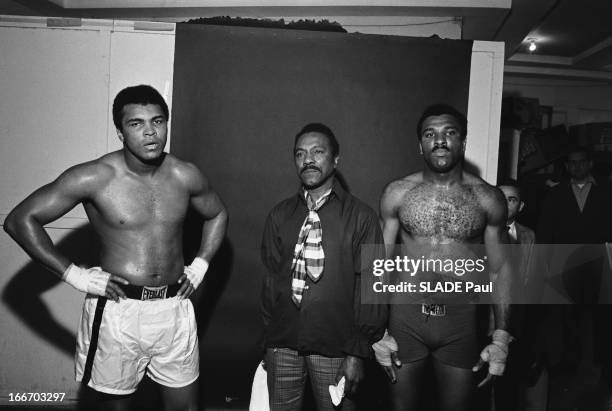
Few fighters embodied this shift better than Muhammad Ali. His ability to glide across the ring, avoid punches, and control distance revolutionized how heavyweights approached the sport. Ali’s style demonstrated that speed and agility could neutralize even the most powerful opponents. A technique that placed him in debates of greatest boxers of all time.
Defensive techniques also became more refined. Fighters began using head movement, shoulder rolls, and guard variations to minimize damage. This period marked the transition from purely offensive strategies to a balanced approach where defense was equally valued.
Power Meets Precision: The Technical Boom
The mid to late 20th century saw the emergence of fighters who combined technical skill with devastating power. Training methods improved, and fighters began studying opponents more closely.
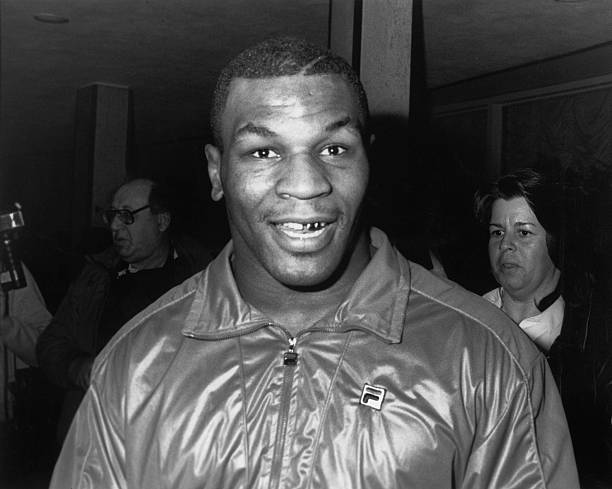
Mike Tyson is a prime example of how fighting techniques in boxing evolved during this time. His peek-a-boo style, developed under trainer Cus D’Amato, emphasized head movement, tight guard positioning, and explosive combinations. Tyson’s approach showed how compact, efficient movements could create overwhelming offensive pressure.
At the same time, counterpunching gained prominence. Fighters learned to capitalize on opponents’ mistakes, turning defense into immediate offense. Timing became a critical skill, separating elite fighters from the rest.
The Influence of Analytics and Sports Science
Modern boxing is deeply influenced by sports science. Fighters now train with a level of precision that was unimaginable decades ago. Strength and conditioning programs are tailored to maximize speed, endurance, and recovery.
Data analysis has also become a key factor. Coaches study punch statistics, movement patterns, and opponent tendencies to develop game plans. This analytical approach has refined fighting techniques in boxing, making them more strategic and less reliant on instinct alone.
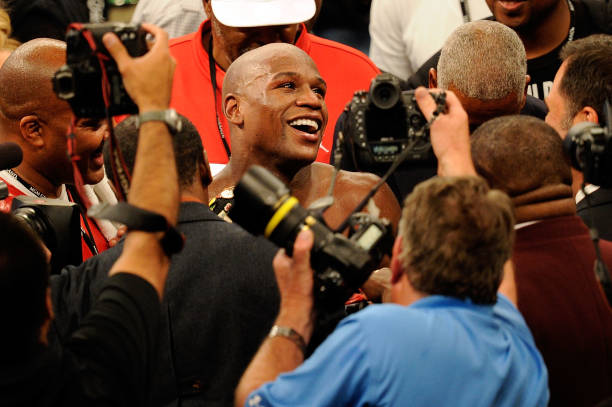
Floyd Mayweather Jr. represents the pinnacle of this evolution. Known for his defensive brilliance and tactical intelligence, Mayweather built his career on efficiency. He minimized risk, controlled fights with precision, and exploited opponents’ weaknesses with calculated accuracy.
His style highlighted a shift in boxing philosophy. Winning rounds consistently became more important than chasing knockouts, and technical superiority often outweighed raw aggression.
The Modern Hybrid Fighter
Today’s boxers are more versatile than ever. They combine elements from different eras, blending power, speed, defense, and adaptability into a complete skill set.
Modern fighters are comfortable switching between offensive and defensive modes seamlessly. They can pressure opponents, fight on the back foot, or adjust mid-fight based on changing circumstances. This adaptability reflects the culmination of decades of evolution in fighting techniques in boxing.
Conditioning has also reached new heights. Fighters maintain high output levels across all rounds, supported by advanced nutrition and recovery methods. This allows for sustained intensity without sacrificing technique.
The Role of Global Influence
Boxing’s global reach has introduced diverse styles and approaches. Fighters from different regions bring unique techniques shaped by their training environments and cultural influences.
Eastern European fighters often emphasize strong fundamentals and disciplined footwork. Latin American boxers are known for their aggression and body punching. American fighters frequently blend athleticism with tactical awareness.
This exchange of styles has enriched the sport, pushing fighters to adapt and innovate. As a result, fighting techniques in boxing continue to evolve through cross-cultural competition.
Technology and Training Innovation in Fighting Techniques in Boxing
Technology has transformed how fighters prepare for competition. Video analysis allows for detailed breakdowns of both personal performance and opponent tendencies. Wearable devices track metrics such as heart rate, punch speed, and workload.
Virtual simulations and advanced training equipment help fighters refine their skills in controlled environments. These tools enable more efficient training sessions and faster improvement.
Coaches can now identify weaknesses with greater accuracy and design targeted drills to address them. This level of precision has elevated the overall standard of fighting techniques in boxing.
The Future of Fighting Techniques in Boxing
Looking ahead, the evolution of fighting techniques in boxing is unlikely to slow down. Emerging technologies, including artificial intelligence and biomechanics, could further refine training methods.
Fighters may become even more specialized, with techniques tailored to exploit specific opponents. At the same time, the emphasis on adaptability will remain crucial, as unpredictability continues to define the sport.
Rule changes and judging criteria may also influence how fighters approach bouts. As the sport evolves, so too will the strategies used to win.
Conclusion
The journey of fighting techniques in boxing reflects the sport’s constant drive for improvement. From the raw, endurance-based battles of the past to the highly technical and strategic contests of today, boxing has transformed into a sophisticated discipline.
Each era has contributed to the evolution of fighting techniques in boxing, introducing new ideas and refining existing ones. Fighters like Muhammad Ali, Mike Tyson, and Floyd Mayweather Jr. have each left a lasting impact, shaping how the sport is practiced and understood.
As boxing continues to grow, one thing remains certain: the pursuit of better technique, smarter strategy, and greater efficiency will always drive the evolution of the sport.
