There are few things more unsettling for a baseball team than seeing a key pitcher walk off the mound mid-game, especially when there is no obvious collision or dramatic moment. That was exactly the situation for Sonny Gray during the Boston Red Sox’s traditional Patriots’ Day game, as the veteran starter exited early under worrying circumstances.
What initially looked routine quickly turned into concern, raising questions about Gray’s condition and what it could mean for Boston moving forward.
A Subtle Moment That Raised Immediate Concern
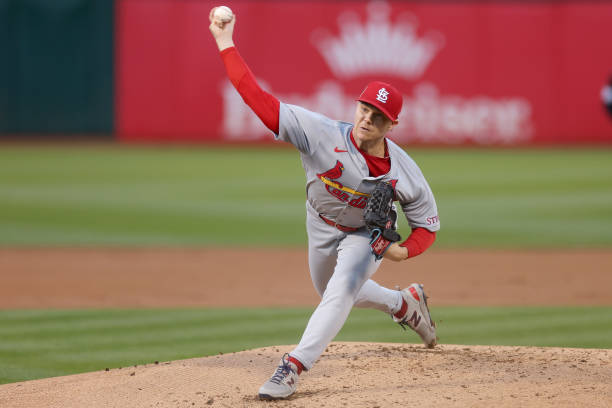
Unlike many pitching injuries that occur after a visible strain or awkward motion, this situation developed quietly. Gray had just completed a pitch and was walking back toward the mound when something appeared off.
He paused. Then he crouched slightly, as if trying to loosen his back or stretch out discomfort. It was not dramatic, but it was unusual enough to catch attention.
His catcher, Carlos Narváez, noticed first. Moments later, the Red Sox dugout responded. Manager Alex Cora came out alongside a trainer to assess the situation.
Gray attempted to continue. He threw one more pitch, but his body language told a different story. There was visible frustration, followed by another crouching stretch. Soon after, he handed over the ball.
His outing was over after just a couple of innings.
What Exactly Went Wrong for Sonny Gray?
At this stage, there is no confirmed diagnosis. However, the sequence of events provides clues.
The way Gray paused and stretched suggests discomfort rather than a sudden acute injury like a tear. The focus on his back area hints at a possible lower back issue, stiffness, or even a minor muscle strain.
Pitchers rely heavily on core stability and rotational movement. Any disruption in that chain, particularly in the lower back, can affect mechanics and increase the risk of further injury.
The fact that Gray stopped himself, rather than trying to pitch through it, may actually be a positive sign. It suggests awareness and caution, which could prevent a minor issue from becoming something more serious.
Why This Is a Concern for the Red Sox
For the Boston Red Sox, this is not just about one game. Sonny Gray is a crucial piece of their pitching rotation.
Losing a starting pitcher early in a game has immediate consequences. The bullpen must step in far earlier than planned, forcing relievers to cover additional innings. Over time, this kind of strain can ripple across the pitching staff.
Beyond the short-term impact, the bigger concern is availability. A healthy Sonny Gray provides stability, experience, and quality innings. If he misses extended time, Boston’s rotation depth will be tested.
In a long MLB season, maintaining pitching health is often the difference between contention and inconsistency.
The Timing Makes It More Complicated
The injury came during one of the Red Sox’s most unique fixtures, the Patriots’ Day game at Fenway Park. These early starts already present a different rhythm for players, and losing a starter so early only adds to the disruption.
More importantly, it comes at a point in the season where teams are still settling into their rotations. Any interruption now can affect planning for weeks ahead.
The Red Sox will be hoping this is a short-term issue that does not derail their early-season momentum.
How Injuries Like This Are Typically Managed
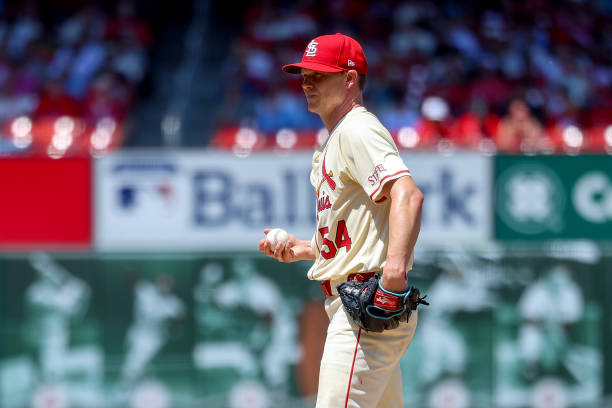
When a pitcher exits with unclear discomfort, teams usually take a cautious approach.
Initial steps often include imaging tests and physical evaluations to determine the exact issue. If it is a minor strain or tightness, rest and rehabilitation may be enough.
However, even minor back issues can linger if not properly managed. Pitching places repeated stress on the same muscle groups, so returning too early carries risks.
The Red Sox medical staff will likely prioritize long-term health over rushing Sonny Gray back into action.
Potential Scenarios Moving Forward
There are several possible outcomes, each with different implications.
In the best-case scenario, Sonny Gray experienced minor tightness and misses little to no time. He could return to the rotation quickly after precautionary rest.
A more moderate scenario could involve a short stint away from the team while he recovers. This would require adjustments to the rotation but would not significantly impact the season.
The worst-case scenario, which Boston will hope to avoid, is a more serious injury requiring extended time out. That would force the team to rely heavily on depth options and could alter their competitive outlook.
The Importance of Pitching Depth
Situations like this highlight why depth is essential in Major League Baseball. Even the most durable pitchers can encounter setbacks during the long season.
For the Red Sox, how they respond to this moment will be telling. Whether through internal options or strategic adjustments, maintaining stability in the rotation will be key.
Strong teams are often defined not by avoiding adversity, but by how effectively they manage it.
A Mental Challenge as Much as Physical
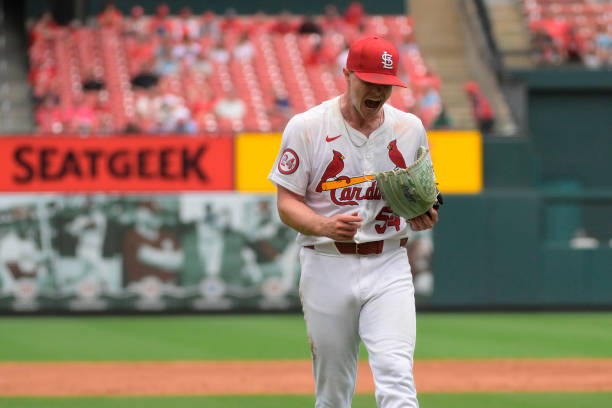
For Sonny Gray himself, this is not just a physical issue. Injuries, even minor ones, can disrupt rhythm and confidence.
Pitchers rely heavily on routine. An unexpected exit breaks that routine and introduces uncertainty. The mental aspect of returning, trusting the body, and regaining form is just as important as physical recovery.
Gray’s experience should help him navigate this process, but it remains a challenge nonetheless.
What Fans Should Watch Next
The next update from the Red Sox will be crucial. Details about the nature of the injury and expected recovery timeline will provide clarity.
In the meantime, fans should watch how Boston manages its rotation and bullpen usage in the coming games. Early signs of strain or adjustments could indicate how serious the situation is.
Conclusion
The early exit of Sonny Gray may not have looked dramatic, but it carries significant implications for the Boston Red Sox.
From the subtle moment of discomfort to his quick departure, the situation underscores how fragile pitching stability can be in baseball. While the exact nature of the injury remains unclear, the cautious response suggests the team is prioritizing long-term health.
For now, the focus will be on diagnosis, recovery, and adaptation. Whether this turns out to be a minor setback or something more serious will shape not only Sonny Gray’s season but also the Red Sox’s trajectory in the months ahead.
