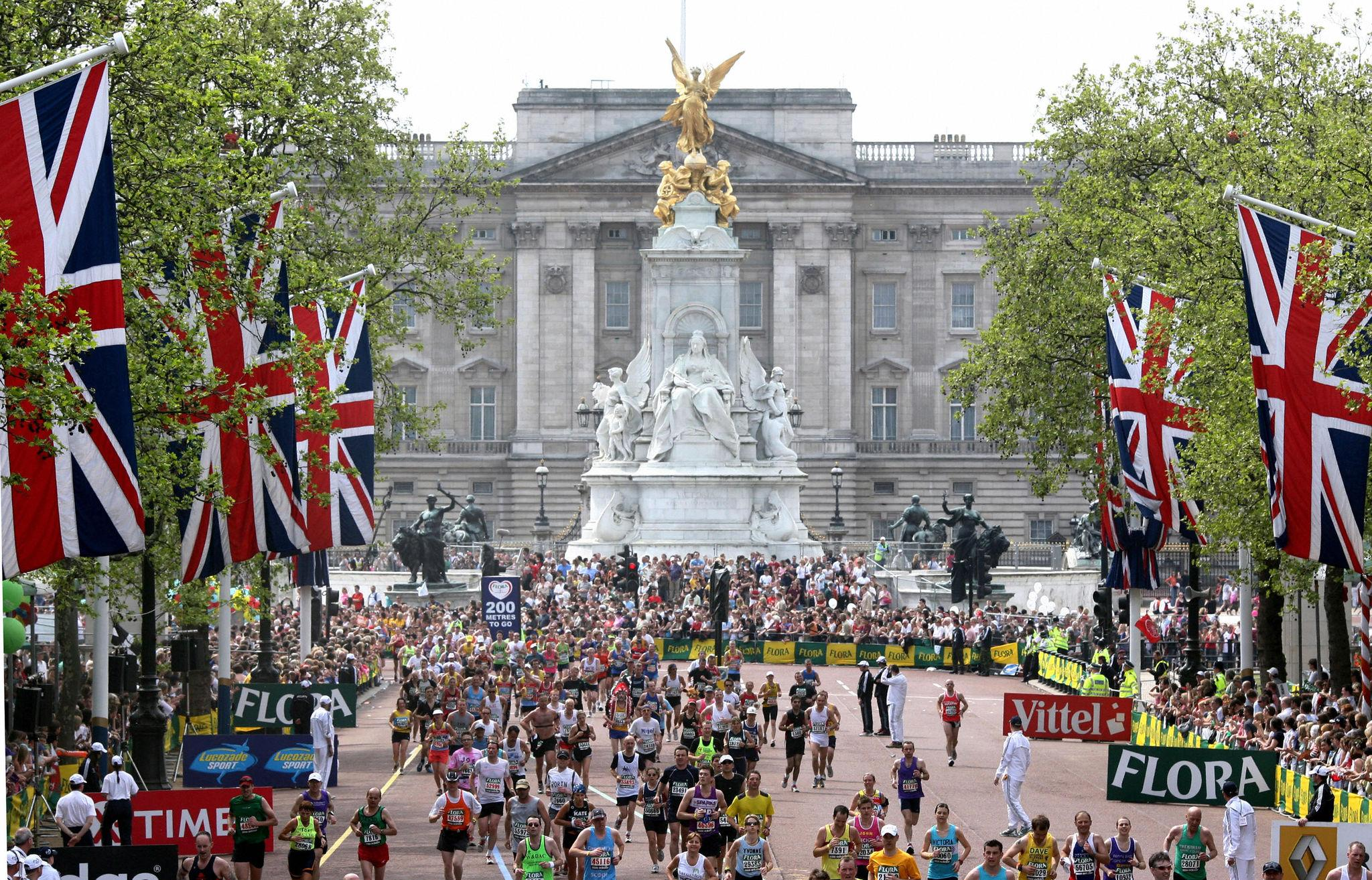
A historic moment in global distance running
The 2026 edition of the London Marathon 2026 marked a defining milestone in the history of endurance sports, as it set a new world record for the largest number of finishers in a marathon. A staggering 59,830 runners crossed the finish line, surpassing the previous record held by the New York City Marathon.
This achievement was not just about numbers it symbolized the growing global appeal of long-distance running, the inclusivity of modern sport, and the power of shared human achievement. The marathon, once seen as an elite athletic challenge, has evolved into a global celebration that welcomes participants from all walks of life.
The rise of mass participation marathons
The transformation of the marathon over the past few decades has been remarkable. Historically, marathons were dominated by elite athletes, with relatively small fields of competitors. Today, events like the London Marathon attract tens of thousands of runners, from seasoned professionals to first-time participants.
This shift has been driven by several factors, including increased awareness of health and fitness, the growth of recreational running communities, and the rise of charity fundraising. The London Marathon, in particular, has become synonymous with inclusivity, offering opportunities for individuals of all backgrounds and abilities to take part.
The record-breaking turnout in 2026 reflects this evolution. With over 60,000 starters and nearly all completing the race, the event demonstrated how far marathon running has come in terms of accessibility and participation.
A record built on inspiration and organization

Achieving a record of 59,830 finishers is not only a testament to the enthusiasm of participants but also to the meticulous planning and organization behind the event.
From crowd control and medical support to hydration stations and timing systems, hosting a marathon of this scale requires world-class logistics. Organizers must ensure the safety and well-being of tens of thousands of runners while maintaining the smooth flow of the race.
The success of the 2026 London Marathon highlights the ability of modern sporting events to scale up without compromising on quality or safety. It also underscores the importance of volunteers, whose efforts are essential in supporting runners throughout the course.
Race officials and organizers described the milestone as a reflection of the marathon’s inspirational power its ability to motivate individuals to challenge themselves and achieve something extraordinary.
Elite excellence adds to the spectacle
While the record number of finishers captured global attention, the 2026 race was also remarkable for its elite performances.
Kenya’s Sabastian Sawe made history by becoming the first man to run a marathon in under two hours in an official race, clocking 1:59:30.
Also Read- Kenya’s Wanyonyi adds world 800m title to Olympic gold
In the women’s race, Ethiopia’s Tigst Assefa defended her title while setting a new women-only world record, further cementing her place among the sport’s greats.
These achievements added another layer of significance to an already historic event. The combination of elite excellence and массов participation is what makes the London Marathon unique: world-class athletes and everyday runners sharing the same course, each pursuing their own version of success.
The human stories behind the numbers

Beyond records and statistics, the true essence of the marathon lies in the individual stories of its participants.
For many runners, completing the marathon represents a personal triumph whether overcoming physical challenges, achieving a lifelong goal, or raising money for charity. The London Marathon has long been one of the largest fundraising events in the world, with participants collectively raising millions for various causes each year.
The 2026 race was no exception. Stories of perseverance, determination, and community spirit were evident throughout the course. From first-time runners crossing the finish line in tears to seasoned athletes achieving personal bests, the marathon provided countless moments of inspiration.
These human elements are what transform the event from a race into a global celebration of resilience and unity.
Why marathon participation continues to grow
The record-breaking number of finishers raises an important question: why are more people than ever drawn to marathon running?
One key factor is the increasing emphasis on health and wellness. As more individuals seek to lead active lifestyles, running has emerged as one of the most accessible forms of exercise.
Technology has also played a role. Training apps, wearable devices, and online communities have made it easier for people to prepare for marathons and track their progress.
Additionally, the social aspect of running cannot be overlooked. Whether through local running clubs or global events like the London Marathon, participants often find a sense of belonging and support that motivates them to push their limits.
Challenges of scaling up
While the success of the 2026 London Marathon is undeniable, it also highlights the challenges of organizing events on such a massive scale.
Ensuring the safety of participants remains a top priority. With tens of thousands of runners on the course, medical teams must be prepared to respond quickly to any issues that arise.
Logistical challenges include managing crowd flow, providing adequate resources, and maintaining security. Despite these complexities, the 2026 event demonstrated that it is possible to deliver a seamless experience even at record-breaking levels of participation.
What’s Next: the future of the marathon
The success of the 2026 London Marathon has sparked discussions about the future of large-scale running events. Organizers are exploring ways to accommodate even more participants, including the possibility of expanding the race into a multi-day format.
Such innovations could allow even greater numbers of people to take part while maintaining the quality of the experience. As the sport continues to grow, the challenge will be to balance expansion with sustainability and safety.
The marathon’s enduring appeal suggests that its popularity will only continue to rise. Events like the London Marathon serve as a testament to the universal desire for challenge, achievement, and connection.
The record-breaking 59,830 finishers at the London Marathon 2026 represent a landmark moment in the history of sport. It is a testament to the power of human determination, the inclusivity of modern athletics, and the ability of global events to bring people together.
More than just a race, the London Marathon has become a symbol of what is possible when individuals come together with a shared purpose. Whether chasing world records or personal milestones, every runner who crossed the finish line contributed to a historic day one that will inspire future generations of athletes and enthusiasts alike.