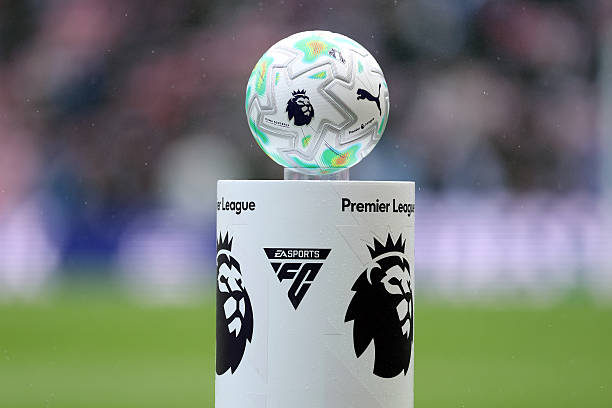
The Premier League will have nine teams in Europe, and the consequences are expected to stretch across the entire English football calendar next season.
After Crystal Palace became Conference League winners with victory over Rayo Vallecano, England secured a remarkable total of nine teams in Europe for the second consecutive campaign. While that reflects the growing strength and depth of the Premier League, it also creates a complicated chain reaction that will influence fixtures, television scheduling, financial regulations, and domestic competitions.
The reality is that nine teams in Europe changes far more than just midweek football.
Nine Teams in Europe Will Reduce Traditional Saturday Football

One of the biggest effects of having nine teams in Europe is the reduction of Saturday Premier League fixtures.
This issue becomes even more noticeable because four English clubs will participate in the Europa League. UEFA regulations prevent clubs that play on Thursday nights from returning to league action on Saturdays, meaning many fixtures will automatically move to Sundays or Mondays.
Last season already hinted at what the future could look like, but nine teams in Europe will intensify the problem further. Fans should expect more weekends with only a handful of Saturday afternoon matches.
For decades, the Premier League schedule revolved around packed Saturday programmes. That tradition now faces increasing disruption because European football leaves fewer scheduling options available.
Supporters may quickly realise that the classic 3pm Saturday kick-off is becoming less common whenever nine teams in Europe are involved.
Television Broadcasters Will Reshape the Calendar
Another major consequence of nine teams in Europe is the growing power broadcasters will have over fixture scheduling.
Because clubs involved in European competitions become unavailable for Friday and Monday fixtures during UEFA weeks, television companies are forced to select from a smaller group of teams.
That trend became obvious last season when certain clubs repeatedly appeared in Friday and Monday night games. Broadcasters prioritised teams capable of generating strong audiences, especially those with large fanbases but no European commitments.
With nine teams in Europe again limiting fixture flexibility, clubs such as Chelsea, Tottenham Hotspur, and Newcastle United may find themselves regularly shifted away from traditional weekend slots.
The impact on travelling supporters could become significant. Fans may need to adjust constantly to late schedule changes and inconvenient kick-off times simply because nine teams in Europe compress the calendar so heavily.
Nine Teams in Europe Also Creates EFL Cup Problems

The EFL Cup structure becomes far more complicated when nine teams in Europe qualify automatically for later rounds.
Normally, clubs competing in UEFA tournaments receive byes into the third round, allowing the competition to maintain its knockout structure smoothly. However, nine teams in Europe creates a numerical imbalance that forces organizers to redesign the early stages of the tournament.
As a result, additional preliminary fixtures become necessary before the first round even begins.
The complication grows further because the EFL Cup uses regional divisions in its opening rounds. Organisers must now carefully balance northern and southern sections while ensuring the competition maintains the correct number of clubs moving forward.
This may seem like a small issue on the surface, but it highlights how nine teams in Europe creates ripple effects across multiple competitions, not just the Premier League itself.
Financial Rules Could Deepen the Divide
Nine teams in Europe will also influence how clubs operate financially under the Premier League’s new regulations.
Beginning this summer, the league will move away from Profit and Sustainability Rules and introduce a squad cost ratio system. Under these rules, spending limits depend heavily on club revenue.
UEFA clubs are restricted to spending 70% of their revenue, while clubs outside European competition may potentially spend far more aggressively.
Ironically, this means some teams without Europe could enjoy greater financial flexibility than clubs competing internationally.
That reality may create an unusual dynamic where clubs outside Europe attempt to exploit their freedom to strengthen rapidly and challenge for qualification the following season.
At the same time, clubs balancing heavy fixture schedules and European demands may become more cautious financially.
In many ways, nine teams in Europe could create a constantly rotating battle where qualification itself becomes both an advantage and a burden.
Squad Depth Will Become More Important Than Ever

The physical demands of modern football are already intense, and nine teams in Europe only increases the pressure further.
Managers now face packed calendars filled with Premier League fixtures, UEFA competitions, domestic cup matches, international breaks, and expanded global tournaments. The number of games elite players are expected to handle continues to rise every year.
As a result, squad depth may become even more important than star quality.
Clubs competing in Europe will need reliable rotation options capable of maintaining performance levels across multiple competitions. Injuries, fatigue, and player burnout could easily shape the outcome of the season.
This challenge may particularly affect clubs like Aston Villa, who are Europa League winners, Bournemouth, Sunderland, and Crystal Palace, who are still adapting to the demands of continental football.
For those teams, nine teams in Europe represents both an exciting achievement and a serious test of squad management.
Premier League Strength Continues to Grow
Despite all the complications, nine teams in Europe ultimately reflects the extraordinary strength of the Premier League.
English clubs continue to dominate financially and remain highly competitive across UEFA tournaments. Even teams outside the traditional “big six” are now capable of winning trophies and qualifying consistently for continental football.
Crystal Palace’s historic Conference League triumph perfectly captures this shift. A club once focused purely on survival has now become European champions.
That level of depth is rare in European football.
The presence of nine teams in Europe demonstrates how competitive the Premier League has become from top to bottom. Clubs across the division now possess the resources, coaching quality, and squad talent needed to compete internationally.
At the same time, success creates consequences.
Fixture congestion, television reshuffles, financial balancing, and domestic scheduling chaos will all become more noticeable because nine teams in Europe places enormous strain on the football calendar.
For supporters, players, and managers alike, next season may feel more unpredictable than ever.
And much of that will come down to one reality: the Premier League now has nine teams in Europe once again.
