Football has produced many iconic leaders, but few have left a legacy that matches Franz Beckenbauer. From lifting the FIFA World Cup as captain to transforming the role of the modern defender, Beckenbauer combined elegance, intelligence and authority in a way that changed football forever.
When discussions arise about the greatest captain in football, names such as Diego Maradona, Cafu, Paolo Maldini and Roy Keane often enter the conversation. Yet Beckenbauer’s achievements, influence and leadership place him in a category of his own.
Nicknamed Der Kaiser (“The Emperor”), he did far more than wear the captain’s armband. He inspired teammates, dictated matches, revolutionized tactics and eventually won football’s biggest prize both as a player and as a coach.
Why Franz Beckenbauer Is the Greatest Captain in Football
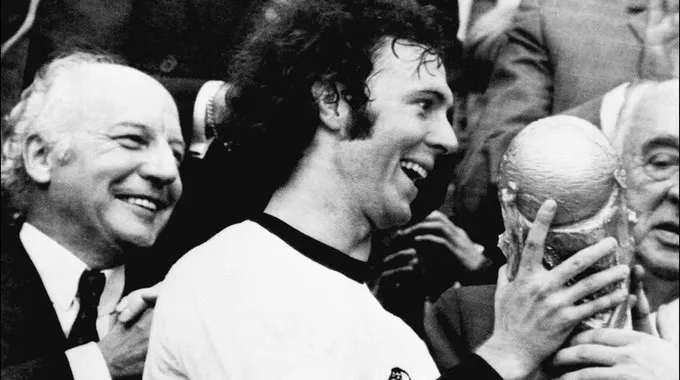
The debate over the greatest captain in football is subjective, but Beckenbauer’s résumé makes an overwhelming case.
He captained West Germany to World Cup glory in 1974, led Bayern Munich to unprecedented European success, won multiple Ballon d’Or awards, and later coached Germany to another World Cup triumph.
Very few footballers have combined tactical brilliance with calm leadership under pressure as effectively as Beckenbauer.
His influence extended beyond motivation. He led through intelligence, positioning, communication and complete control of the game’s rhythm.
Unlike many vocal captains, Beckenbauer rarely relied on emotional outbursts. Instead, he inspired confidence by making the right decisions at the right moments.
That composure became one of the defining characteristics of the greatest captain in football.
Franz Beckenbauer Revolutionized Leadership from the Back
Before Franz Beckenbauer, defenders were primarily tasked with stopping attacks.
Beckenbauer transformed that thinking.
Operating as a libero, or sweeper, he stepped into midfield, initiated attacks and controlled possession while still organizing the defence.
His style required exceptional awareness and tactical discipline. More importantly, it demanded leadership because every movement influenced the shape of the team.
Rather than simply barking orders, he orchestrated matches.
Modern defenders such as Virgil van Dijk, Alessandro Nesta and even midfield controllers owe aspects of their game to the tactical blueprint Beckenbauer introduced.
His innovation strengthened his reputation as the greatest captain in football, not only because he inspired victories but because he fundamentally changed how leaders could influence matches.
The 1974 World Cup Cemented His Legendary Status
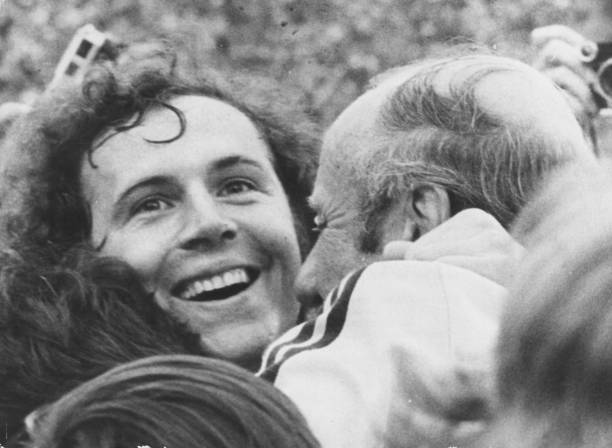
Every legendary captain has a defining tournament. For Beckenbauer, that moment came during the 1974 FIFA World Cup on home soil.
West Germany entered the tournament under enormous pressure, facing expectations from millions of supporters. Beckenbauer embraced that responsibility. Throughout the competition, he remained composed, organized his defence flawlessly and ensured the team never lost focus.
The final against Johan Cruyff’s brilliant Netherlands side represented one of football’s greatest tactical battles. The Dutch took an early lead through a penalty before a German player had even touched the ball. Many teams would have collapsed.
Instead, Beckenbauer kept his teammates calm. West Germany recovered to win 2-1, securing their second FIFA World Cup title.
That triumph elevated him into football immortality and reinforced his credentials as the greatest captain in football.
Bayern Munich’s Golden Era
International success was only one chapter of Beckenbauer’s remarkable leadership story. At Bayern Munich, he captained one of the greatest club teams ever assembled.
Between 1974 and 1976, Bayern won three consecutive European Cups. That achievement remains one of football’s greatest dynasties. Alongside stars like Gerd Müller, Sepp Maier and Uli Hoeneß, Beckenbauer became the team’s calm leader and tactical brain.
His leadership helped Bayern dominate German and European football during a transformative period. Under his captaincy, the club established the winning culture that still defines Bayern Munich today.
When discussing the greatest captain in football, sustained success at both club and international levels is difficult to ignore.
Leadership Through Intelligence Rather Than Emotion
Many famous captains became known for shouting, confrontation or emotional speeches. Beckenbauer was different. He believed leadership meant solving problems rather than creating drama. His calm personality allowed teammates to remain composed during difficult moments.
He rarely panicked. Instead, he anticipated danger, repositioned teammates and quietly controlled games. This style proved particularly effective in major tournaments where emotional stability often determines success.
His example demonstrated that great captains do not always need to be the loudest voices. Sometimes the greatest captain in football is simply the smartest player on the pitch.
Success Beyond His Playing Career
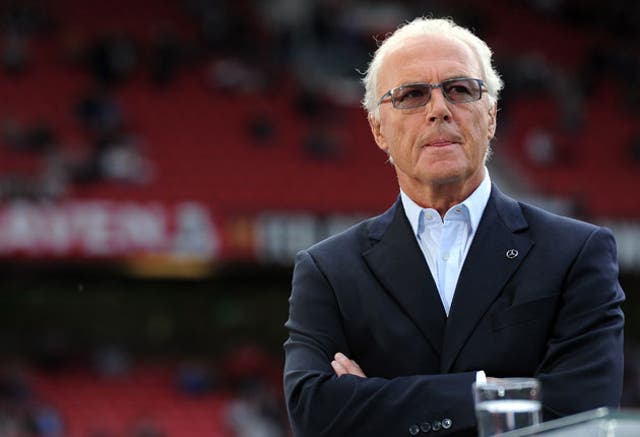
Beckenbauer’s leadership did not end after retirement. He became manager of West Germany despite having little formal coaching experience. Many doubted the appointment. Once again, he proved critics wrong.
In 1986, he guided Germany to the World Cup final before finally winning the tournament in 1990 against Argentina. Only two people in football history have won the FIFA World Cup as both captain and manager. Beckenbauer was the first.
This extraordinary achievement further strengthened his standing among football’s greatest leaders. His understanding of players, tactics and pressure translated seamlessly from the pitch to the dugout.
Franz Beckenbauer’s Lasting Influence on Football
The impact of Franz Beckenbauer stretches far beyond trophies. His tactical innovations changed defensive football forever. His leadership philosophy continues to influence coaches and captains across generations.
Modern football values defenders who can build attacks, remain calm under pressure and organize teammates. Those qualities became popular because Beckenbauer demonstrated how effective they could be.
His influence can still be seen every weekend across Europe’s biggest leagues. Young defenders continue studying his positioning, movement and decision-making decades after his retirement.
How Beckenbauer Compares With Other Legendary Captains
Football history offers many exceptional captains. Diego Maradona inspired Argentina to World Cup glory in 1986. Cafu became the only captain to lift Brazil’s fifth World Cup in 2002. Paolo Maldini embodied consistency and professionalism throughout his AC Milan career. Roy Keane defined Manchester United’s relentless mentality. Carles Puyol inspired Barcelona during one of football’s greatest eras. Each deserves recognition.
However, Beckenbauer stands apart because he combined innovation, longevity and success across multiple roles. He won everything available as a player. He won the World Cup as a coach. He changed football tactically.
Few leaders have influenced the game so completely. That is why many historians continue to regard him as the greatest captain in football.
The Greatest Captain in Football: A Legacy That Will Never Fade
Football constantly evolves, but true leadership remains timeless. Beckenbauer demonstrated that captains do more than motivate teammates. They shape tactics, inspire belief and guide teams through football’s biggest challenges.
His grace under pressure, football intelligence and relentless pursuit of excellence created a standard that remains difficult to match.
The passing of Franz Beckenbauer marked the end of one of football’s most influential lives, but his legacy continues every time a defender confidently steps into midfield or a captain calmly steadies a nervous team.
When future generations debate the greatest captain in football, Beckenbauer’s name will always stand at the forefront.
His trophies, revolutionary style and extraordinary leadership ensure that Der Kaiser remains football’s ultimate captain and one of the sport’s greatest icons.
