The EPL Laws of the Game are changing again for the 2026/27 season, with the Premier League introducing several measures designed to tackle time-wasting, improve the efficiency of VAR and deal more firmly with disruptions during matches.
The changes come from the International Football Association Board (IFAB), the organization responsible for the Laws of the Game, while the Premier League has also established its own Football Principles in consultation with clubs, fans and match officials. This means some of the changes will apply across football, while others reflect the Premier League’s specific approach to refereeing.
Among the most significant developments are longer mandatory periods off the pitch for injured players, new countdowns for delayed restarts, stricter substitution procedures, VAR reviews for clearly incorrect second-yellow-card decisions and a trial designed to prevent goalkeepers from using injuries as tactical timeouts.
EPL Laws of the Game target time-wasting
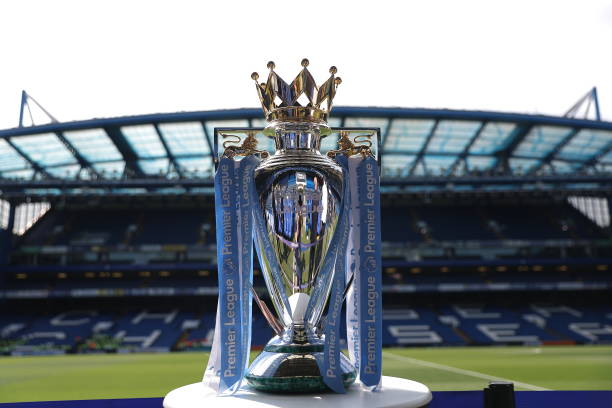
One of the clearest themes of the EPL Laws of the Game for 2026/27 is the attempt to reduce unnecessary delays and keep matches flowing.
Under the new rules, a player who leaves the pitch because of an injury after play has been stopped will have to remain off the field for at least one minute before returning. That is an increase from the 30-second period previously used by the Premier League.
There will also be a new five-second countdown for throw-ins and goal-kicks when officials determine that a player is deliberately delaying the restart.
If the five-second limit is exceeded for a throw-in, possession will be awarded to the opposition. In the case of a goal-kick, the opposing team will instead receive a corner.
Substitutions will also come under greater scrutiny. Players being replaced will have 10 seconds to leave the pitch. If they fail to do so within that period, the incoming substitute will have to wait until the next stoppage after one minute has elapsed before entering.
These measures are designed to address one of football’s most persistent complaints: teams deliberately slowing matches down when it suits them.
Premier League Football Principles keep VAR threshold high

The Premier League Football Principles will continue to place considerable emphasis on maintaining a high threshold for VAR intervention.
The principle remains that the referee’s decision should stand unless the VAR believes, based on the evidence readily available, that the original decision was a clear and obvious error.
That approach is intended to prevent matches from becoming dominated by lengthy video reviews, while still allowing VAR to intervene when a significant mistake has been made.
The Premier League will also pursue more efficient use of VAR, including greater use of semi-automated offside technology. The objective is to reduce delays and allow decisions involving offside situations to be reached more quickly.
The league will also continue working on the in-stadium VAR experience, with communication and transparency remaining important elements of the system.
EPL Laws of the Game: VAR can now review a wrong second yellow
One of the more notable changes to the EPL Laws of the Game concerns second yellow cards.
For the 2026/27 season, VAR will be able to review a situation in which a player receives a second yellow card that results in a red card, but only where the second yellow itself was clearly wrong.
This is a narrow change rather than a broad invitation for VAR to review every potential second-yellow-card incident.
The distinction is important. VAR will not be used to determine whether a player should have received a first or potential second yellow in the first place. The review applies when a player has actually been sent off because of a clearly incorrect second caution.
The aim is to prevent an obviously mistaken second yellow from producing an unjustified red card without significantly expanding VAR’s role.
Goalkeeper injuries face a new tactical test
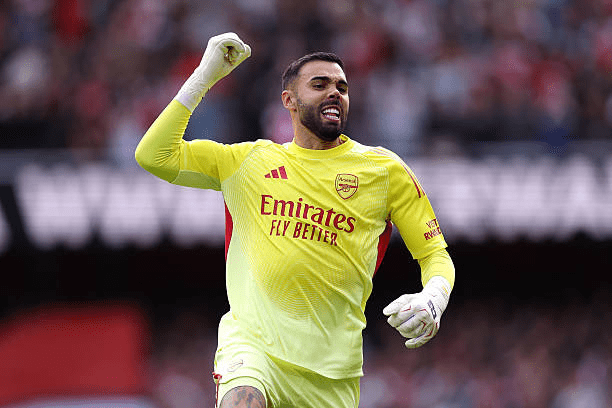
Goalkeeper injuries will also receive special attention during the 2026/27 campaign.
A trial will require a manager or head coach to nominate an outfield player to leave the pitch immediately if play is stopped because of a goalkeeper injury.
That nominated player must remain off the pitch for at least one minute after the game restarts.
According to Pro Ref, the organization managing Premier League match officials, the trial is intended to address situations where goalkeeper injuries are allegedly used to disrupt momentum, slow the game or create an opportunity for tactical instructions.
The measure could therefore have an interesting impact on matches in which a goalkeeper goes down at an important moment. Instead of allowing the stoppage to provide an opportunity for the manager to reorganise the team without consequence, the new trial introduces an immediate sporting cost.
Premier League Football Principles protect a high foul threshold
The Premier League Football Principles also confirm that referees will maintain a relatively high threshold for penalizing challenges.
The central message is that not every physical contact constitutes a foul, although player safety remains paramount.
The same higher threshold will continue to apply to handball offences.
This helps explain why Premier League matches can sometimes appear to be refereed differently from games in European competitions. The Premier League has its own framework governing how its officials apply the Laws of the Game, even though the underlying laws are established by IFAB.
Officials will also continue to take a robust approach towards participant behaviour, both on the pitch and in technical areas.
Some IFAB changes will not be used
Not every competition-optional change introduced by IFAB will appear in the Premier League 2026/27 season.
The league will not expand VAR’s remit to include incorrectly awarded corners. That means a wrong corner decision will not automatically become another category of incident available for VAR intervention.
Hydration breaks will also not be introduced as a new league-wide requirement because the Premier League already has a drinks-break protocol for matches where the temperature at kick-off exceeds 30 degrees Celsius.
The league will also retain its existing three-step discrimination protocol for reported abuse rather than adopting the red-card protocol concerning players covering their mouths.
There is also no change that would allow VAR to review a yellow card simply because a player was incorrectly booked for simulation. Under the relevant clarification, a non-second yellow can only be reviewed to establish the identity of the player who committed the offence, not to reassess the offence itself.
The bigger aim is a faster Premier League
The collection of changes shows that the EPL Laws of the Game for 2026/27 are not simply about introducing more technology or giving VAR greater authority.
A major objective is to reduce disruption while preserving the referee’s authority.
The Premier League wants officials to maintain a high threshold for both fouls and VAR intervention, while simultaneously becoming tougher on deliberate delays, substitution hold-ups and tactical disruptions.
That balance will be particularly important as clubs adjust to the new procedures. Players will need to react more quickly to restart situations, managers will have to be careful about tactical delays and referees will have additional tools to keep matches moving.
For supporters, the biggest changes may be the ones that happen away from the headline incidents: fewer prolonged stoppages, quicker restarts and potentially shorter VAR interruptions.
The 2026/27 season will therefore provide the first major test of how effectively the new Premier League Football Principles can combine traditional refereeing with tighter control of modern match-day tactics.

1 comment
[…] Top Sport News & Events The Premier League’s Powerful New Corner Rules Aim… Liverpool’s £50m Yankuba Minteh Bid Rejected as Reds… Man Utd’s Clever Carlos Baleba Move Signals Major… Breaking: Curtis Jones Nears £30m Inter Milan Move… Arsenal Land £50m+ Ezri Konsa Deal in Major… Joe Tsai Admits Knicks’ Championship Run Was an… Breaking: Patrick Vieira Named New Senegal Head Coach… Jamal Musiala Collapses Again as Bayern Star Reveals… Match Officials for Matchweek 1 Revealed as 2026/27… EPL Laws of the Game: 2026/27 Changes That… […]