The Milwaukee Brewers entered the trade deadline as one of the clubs heavily linked with Detroit Tigers ace Tarik Skubal, raising hopes that they could add one of baseball’s most dominant pitchers to an already impressive rotation. However, while the Los Angeles Dodgers ultimately landed the coveted left-hander, Milwaukee was forced to pivot toward more modest additions, prompting criticism that the National League Central leaders failed to maximize a golden opportunity.
Although the Brewers strengthened several areas of their roster before the deadline, some analysts believe the club fell short compared to its biggest rivals, particularly after watching the Dodgers complete one of the biggest blockbuster deals of the season.
Brewers unable to land Tarik Skubal
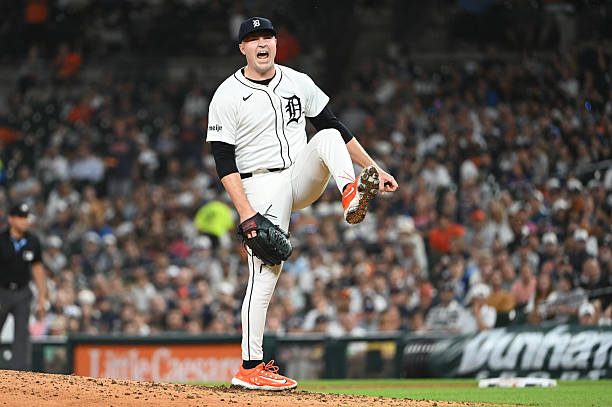
Throughout the weeks leading up to the trade deadline, Milwaukee consistently appeared among the teams connected with Tarik Skubal, whose dominance made him arguably the most sought-after pitcher available.
Had the Brewers completed that blockbuster move, they would have paired Skubal with emerging star Jacob Misiorowski to create one of the most intimidating one-two pitching combinations in Major League Baseball.
Such a pairing could have transformed Milwaukee into one of the favorites for the World Series, particularly considering the importance of elite starting pitching during postseason baseball.
Instead, Skubal was traded to the Dodgers, leaving Milwaukee searching for alternative solutions before the deadline expired.
Trade deadline moves strengthen roster but fail to excite
After missing out on Tarik Skubal, the Brewers remained active during the trade deadline, completing several transactions designed to improve both their pitching staff and overall roster depth.
Milwaukee acquired starting pitcher Dustin May, relievers JoJo Romero and Antonio Senzatela, and catcher Bo Naylor from the Cleveland Guardians.
Each player addresses a specific need within the organization, with May adding rotation depth, Romero strengthening the bullpen, Senzatela providing another experienced arm, and Naylor improving the club’s catching options.
Individually, none of the acquisitions appear insignificant. Collectively, however, they lacked the impact many expected after Milwaukee had been linked with one of baseball’s premier pitchers.
Analysts label Brewers among deadline trade losers
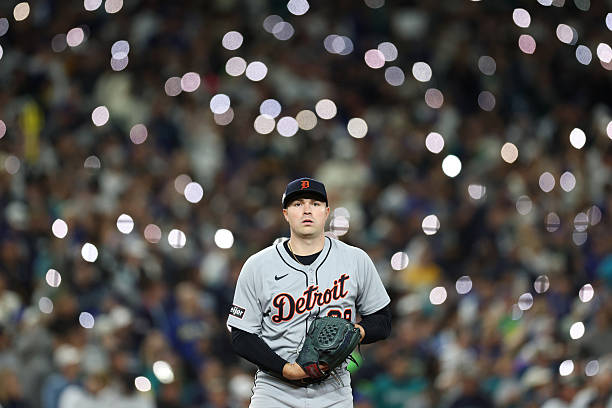
The Athletic’s Stephen J. Nesbitt described Milwaukee as one of the biggest disappointments of this year’s trade deadline, largely because expectations had risen so dramatically following the club’s reported pursuit of Tarik Skubal.
According to Nesbitt, beginning the deadline as a serious contender for the market’s top player only to finish with several complementary additions inevitably created the perception of an underwhelming outcome.
While acknowledging that Milwaukee improved its pitching staff, he suggested those moves paled in comparison to the aggressive upgrades completed by other National League contenders.
The criticism reflects the reality that deadline evaluations often depend not only on who a team acquires but also on the caliber of players fans and analysts believed it could have landed.
Pitching depth still improves despite missing blockbuster
Despite the disappointment surrounding Tarik Skubal, Milwaukee’s front office did not ignore its pitching needs.
Dustin May provides valuable starting experience and offers another quality option capable of contributing during the second half of the season. JoJo Romero adds another reliable left-handed presence in the bullpen, while Antonio Senzatela increases overall pitching depth as the Brewers prepare for a demanding postseason race.
Those additions may not carry the star power associated with Skubal, but they strengthen several important areas of the roster without forcing the organization to surrender its top prospects.
That measured approach reflects a front office determined to remain competitive while protecting the franchise’s long-term future.
Competition in the National League continues to intensify
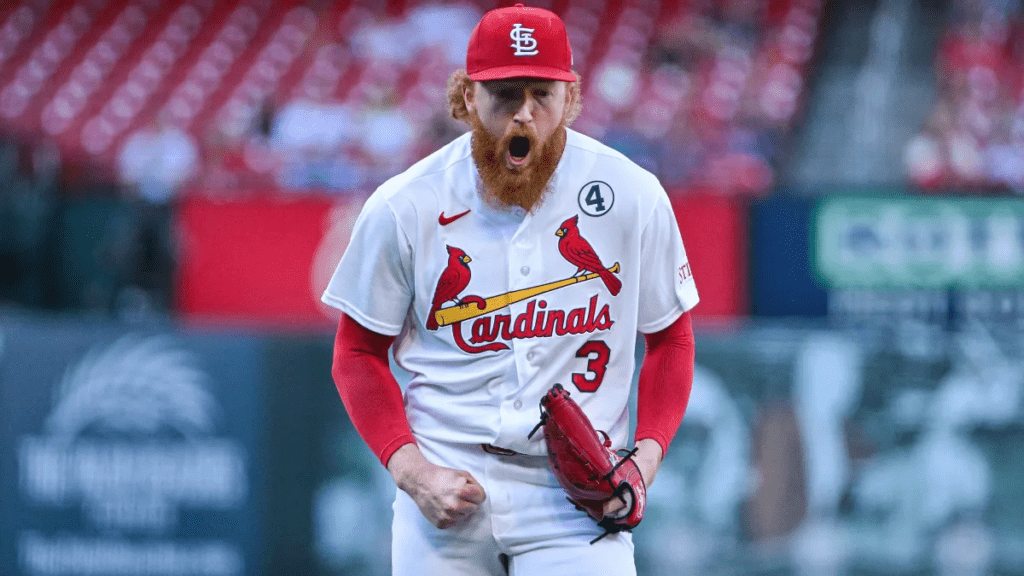
Milwaukee’s relatively conservative trade deadline strategy becomes more noticeable when compared to the aggressive moves made by rival contenders.
The Dodgers dramatically strengthened their championship ambitions by acquiring Skubal, while the Chicago Cubs also reshaped their pitching staff with multiple additions.
As several National League teams significantly upgraded their rosters, Milwaukee’s quieter approach inevitably invited comparisons that placed greater emphasis on what the Brewers failed to accomplish rather than what they actually achieved.
Those comparisons have fueled the narrative that Milwaukee may have missed an opportunity to separate itself from an increasingly competitive playoff field.
Brewers still possess championship potential
Although critics remain unconvinced by the Brewers’ deadline activity, the club continues to rank among the strongest teams in Major League Baseball.
Milwaukee has consistently relied on excellent pitching, disciplined baseball and strong player development throughout the season, qualities that remain intact regardless of deadline headlines.
The additions of Dustin May, JoJo Romero, Antonio Senzatela and Bo Naylor improve roster depth while giving manager Pat Murphy more flexibility entering the final stretch of the regular season.
If the Brewers’ existing core continues performing at a high level, those complementary additions could prove more valuable than many currently expect.
Will Milwaukee regret missing Tarik Skubal?
The ultimate verdict on Milwaukee’s trade deadline will not arrive until the postseason concludes.
If the Brewers make a deep playoff run or capture the World Series, the criticism surrounding their inability to acquire Tarik Skubal will quickly fade into the background. However, if they fall short because of pitching limitations, questions about the missed opportunity will almost certainly resurface.
There is little doubt that Skubal would have elevated Milwaukee’s championship chances, but blockbuster trades also require enormous prospect packages that can affect an organization’s future for years.
The Brewers chose a more balanced strategy, strengthening several areas instead of sacrificing long-term assets for one superstar.
Whether that approach proves wise or overly cautious will become clear only once October baseball begins, but for now, Milwaukee finds itself carrying the label of a club that entered the trade deadline dreaming of Tarik Skubal and left with solid additions that simply failed to generate the same excitement.
