The 2026 FIFA World Cup has produced plenty of drama on the pitch, but one of the tournament’s biggest talking points has come off it. The latest controversy involving Folarin Balogun has left, national teams, managers, players and supporters questioning FIFA’s disciplinary procedures.
England boss Thomas Tuchel has openly criticized world football’s governing body after United States striker Folarin Balogun was allowed to play despite receiving a red card in the previous round. The decision has sparked confusion over how suspensions are being handled during the tournament and raised serious questions about consistency.
Why is Folarin Balogun at the centre of controversy?
The debate began after Folarin Balogun was sent off during the United States’ victory over Bosnia-Herzegovina. Under normal circumstances, a straight red card automatically carries a one-match suspension.
That should have ruled the striker out of the United States’ last-16 clash against Belgium. However, FIFA decided not to enforce an immediate ban, meaning Balogun remains available for selection.
The decision stunned many observers because it appeared to contradict established disciplinary rules that have governed major tournaments for years.
Thomas Tuchel questions FIFA’s approach

Tuchel’s frustration comes after England defender Jarell Quansah was sent off during the Three Lions’ dramatic 3-2 victory over Mexico.
The England manager was asked whether he would seek similar treatment for Quansah ahead of the quarter-final against Norway. His response highlighted the growing uncertainty surrounding FIFA’s decision-making process.
“Where does this start and where does this end now?” Tuchel asked.
The German coach questioned whether teams can now appeal every yellow or red card, wondering who decides which decisions can be overturned and which cannot.
His comments reflected a wider concern among coaches that the rules are no longer being applied equally.
The Folarin Balogun decision could set a dangerous precedent
The controversy surrounding Folarin Balogun is bigger than one player being available for a match. It raises concerns about the integrity and consistency of tournament regulations.
Football relies heavily on clear rules and equal treatment for all teams. If one player can avoid suspension after receiving a red card, other nations may begin demanding similar exceptions.
Managers could increasingly challenge disciplinary decisions, creating confusion and potentially undermining the authority of referees and FIFA itself.
The incident has already prompted debates among pundits and former players, many of whom believe the governing body owes teams and supporters a detailed explanation.
Balogun has been crucial for the United States
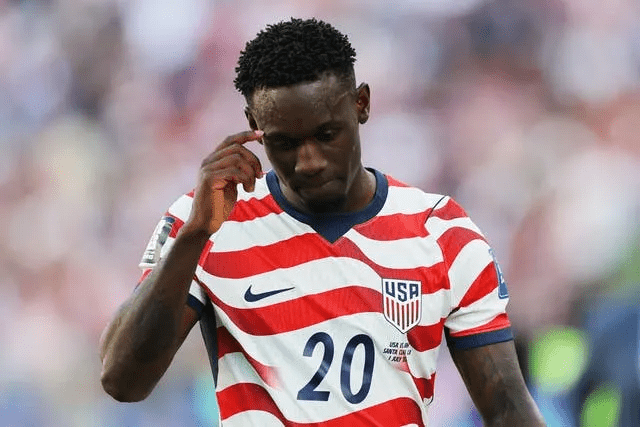
The situation is made even more significant because Folarin Balogun has been one of the United States’ standout performers at the tournament.
The striker has been among the co-hosts’ leading scorers and has played a vital role in their progress to the knockout stages.
Losing him for a match against Belgium would have been a significant blow to the Americans’ hopes of advancing further in the competition.
Instead, the United States have been handed an unexpected boost, although the circumstances have overshadowed their preparations.
VAR once again under scrutiny
Another aspect of the controversy is that both Balogun’s dismissal and Quansah’s red card came after Video Assistant Referee reviews.
VAR was introduced to reduce errors and improve fairness in football. However, incidents like these have renewed concerns about how decisions are interpreted and implemented after matches.
While the technology determines whether a red card offence has occurred, FIFA’s handling of subsequent disciplinary action has become the main talking point.
The lack of transparency has only added to the confusion.
Could FIFA change its disciplinary procedures?
The fallout from the Folarin Balogun case may force FIFA to review its disciplinary framework.
Tournament organisers are likely to face questions from national associations and the media over why the United States striker escaped suspension and whether similar decisions could happen again.
Any lack of clarity could create further disputes as the World Cup moves into its decisive stages.
For England, the immediate concern is whether Quansah’s red card will stand ahead of the World cup quarter-final against Norway. For other teams, the concern is ensuring that the same rules apply to everyone.
A controversy that may outlast the tournament
The 2026 FIFA World Cup has delivered unforgettable matches and remarkable storylines, but the saga involving Folarin Balogun may become one of its defining moments.
Thomas Tuchel’s criticism reflects a broader concern across football. Managers and supporters want consistency, transparency and fairness when disciplinary decisions are made.
Whether FIFA provides further clarification remains to be seen. But one thing is certain: the questions raised by the Folarin Balogun controversy are unlikely to disappear anytime soon.
As the tournament enters its final stages, all eyes will be on FIFA’s next move and whether this unexpected decision changes how disciplinary matters are handled in international football going forward.

2 comments
[…] Inspires Stunning Comeback as… Portugal vs Spain: Merino Ends Ronaldo’s World Cup… Where Does This End Now?: Folarin Balogun Controversy… Mexico vs England: Three Lions Survive Azteca Cauldron… UI Unity Cup Report: Blaze FC & […]
[…] Hotspur have stepped up their pursuit of Folarin Balogun, with the Premier League club opening talks with Monaco over a potential €60 million transfer for […]