
As anticipation builds for the 2026 World Cup, a major controversy has emerged off the pitch. A growing dispute between New Jersey officials and football’s global governing body has raised serious questions about fan accessibility, infrastructure costs, and who ultimately pays for hosting one of the biggest sporting events in the world.
At the centre of the conflict is a sharp disagreement between Mikie Sherrill and FIFA over transportation costs for fans attending matches at MetLife Stadium.
World Cup Travel Costs Spark Political and Financial Clash

The issue revolves around train ticket prices for matchdays during the World Cup. Reports indicate that travel costs could rise dramatically, with tickets increasing from around $12.90 to potentially over $100, and in some cases reaching $150.
For a tournament that aims to unite fans globally, such pricing has triggered concerns about affordability and fairness.
Governor Mikie Sherrill has made it clear that the decision is not arbitrary. According to her administration, New Jersey faces a significant financial burden in managing transportation for the World Cup, particularly for matches hosted at MetLife Stadium.
The stadium, while closely associated with New York City, is officially located in New Jersey, placing responsibility for logistics, security, and infrastructure squarely on the state.
Why New Jersey Is Raising World Cup Train Ticket Prices
Sherrill’s position is rooted in cost recovery. She argues that the state cannot absorb the estimated $48 million required to transport tens of thousands of fans safely to and from the stadium on matchdays.
Her stance is straightforward. If the state covers these costs, everyday commuters could face long-term financial consequences through increased taxes or service adjustments. Instead, her administration has chosen to shift the burden onto matchgoing fans.
From her perspective, the decision is about protecting residents rather than penalising visitors. She has also pointed to the enormous revenue expected from the World Cup, suggesting that FIFA should contribute more directly to supporting host infrastructure.
This argument is strengthened by the scale of the event. The World Cup is projected to generate billions in revenue globally, while also placing significant pressure on local systems.
FIFA Pushes Back on World Cup Accusations
FIFA has responded firmly, rejecting the idea that it has failed to support host cities. According to the organisation, transportation arrangements were agreed upon years ago as part of the original host city contracts.
FIFA maintains that initial agreements required free transportation for fans, but these terms were later adjusted to allow transport at base cost once the financial strain on host cities became clear.
From FIFA’s perspective, New Jersey’s current position is not a new development but rather a continuation of previously negotiated terms. The organisation also emphasised its role in securing federal funding and working alongside host cities to develop transportation plans.
Importantly, FIFA highlighted that event organisers are typically not responsible for covering fan transportation costs at major events, including international tournaments and large-scale concerts.
This response reflects a broader pattern seen in previous World Cup host nations, where financial responsibilities are often shared between local governments and organising bodies, sometimes leading to disputes over cost allocation.
MetLife Stadium and the World Cup Spotlight
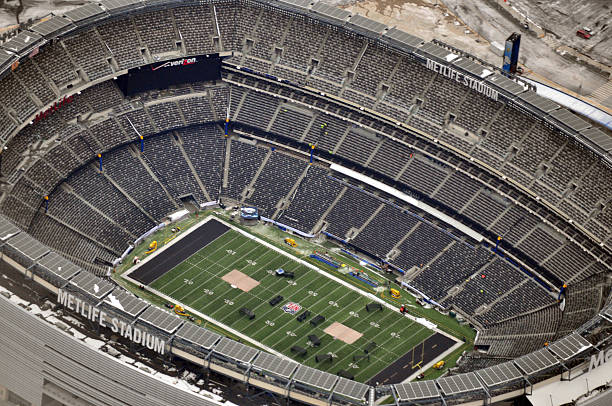
The dispute carries particular weight because MetLife Stadium is set to host some of the most important matches of the tournament, including the final.
With eight matches scheduled at the venue, New Jersey is expected to handle massive inflows of fans from across the world. This creates logistical challenges that extend beyond transportation, including security, staffing, and infrastructure upgrades.
The scale of these demands explains why the state is seeking to offset costs. However, it also raises questions about whether fans should bear such a significant financial burden.
The Bigger World Cup Debate: Who Should Pay?
This dispute highlights a recurring issue surrounding the World Cup and other global sporting events. While the tournament generates enormous economic activity, the distribution of costs and benefits is often uneven.
Local governments typically invest heavily in infrastructure, security, and public services, while governing bodies and commercial partners capture much of the revenue. This imbalance has been a point of contention in previous tournaments and continues to shape discussions around hosting responsibilities.
FIFA argues that the World Cup brings long-term economic benefits, including tourism, job creation, and global exposure. However, critics often question whether these benefits fully offset the immediate financial strain placed on host regions.
In the case of New Jersey, the debate has become particularly visible because of the direct impact on fans through increased travel costs.
What This Means for World Cup Fans
For fans planning to attend matches, the implications are clear. Travel costs could become a significant part of the overall expense, especially when combined with ticket prices, accommodation, and other logistics.
The prospect of paying over $100 for a single train journey may deter some supporters or force them to reconsider their plans. This raises concerns about accessibility, particularly for local fans who might otherwise attend matches.
At the same time, the situation underscores the complexity of organising a tournament on the scale of the World Cup. Balancing affordability with operational requirements remains a major challenge for all stakeholders involved.
A Dispute That Reflects the Scale of the World Cup

As the tournament approaches, tensions between New Jersey officials and FIFA may continue to evolve. While both sides present valid arguments, the lack of alignment highlights the broader challenges of hosting global events.
For New Jersey, the priority is managing financial risk and protecting residents. For FIFA, the focus is on maintaining consistency with established agreements and ensuring the tournament runs smoothly.
The outcome of this dispute could influence how future host cities approach negotiations, particularly regarding infrastructure and operational costs.
Conclusion
The World Cup is often celebrated for its ability to bring people together, but behind the scenes, it also reveals complex financial and logistical realities. The clash between Mikie Sherrill and FIFA over train ticket prices is a clear example of these challenges.
As fans look forward to the excitement of the tournament, questions about cost, fairness, and responsibility remain unresolved. In the end, the success of the World Cup will depend not only on what happens on the pitch, but also on how effectively these off-field issues are managed.
