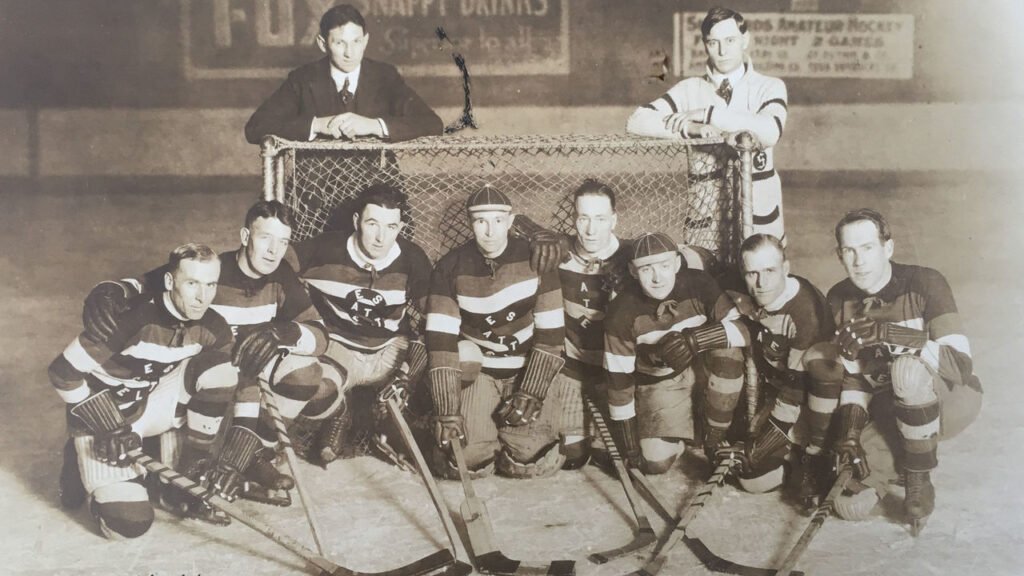
The 1919 Stanley Cup Final was supposed to crown another champion in the history of ice hockey. Instead, it became one of the sport’s darkest episodes, as a deadly influenza outbreak swept through the competing teams, forced the cancellation of the deciding game and claimed the life of one of the players. More than a century later, the story remains a haunting reminder that even the biggest sporting occasions can be brought to a standstill by events beyond the control of the athletes involved.
The Montreal Canadiens and Seattle Metropolitans had fought through five demanding games in Seattle, with neither side able to establish a decisive advantage. The series was tied at two victories apiece, with one match ending in a draw. Everything was set for a sixth game that would determine the destination of the Stanley Cup.
But as the players prepared for the decisive encounter, illness began spreading through the dressing rooms. Several Montreal players were hospitalized, members of the Seattle team were also affected, and the condition of Montreal defenseman Joe Hall deteriorated rapidly.
The game was abandoned. The series was officially cancelled, and for the first time in the competition’s history, the Stanley Cup was not awarded because of a pandemic.
The Road to the 1919 Stanley Cup Final
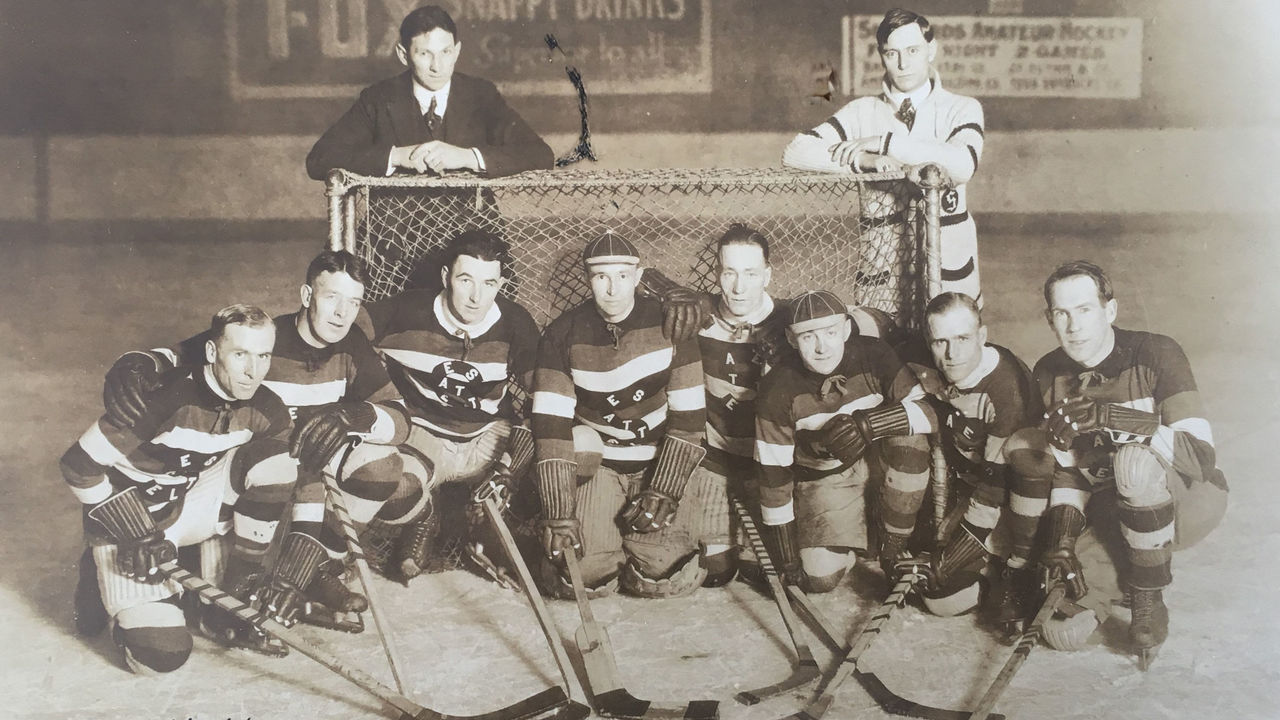
The circumstances surrounding the 1919 Stanley Cup Final were different from those of the modern competition. The National Hockey League (NHL) was still in its infancy, having been established in 1917, and its champions competed against the winners of the Pacific Coast Hockey Association (PCHA) for the right to lift the trophy.
Montreal represented the NHL after winning its league championship, while Seattle had emerged as the PCHA’s leading team. The two sides represented the strongest hockey organizations in their respective regions, and their meeting was expected to produce a fiercely contested championship.
The final was played in Seattle, with the Metropolitans enjoying home advantage. The series began on 19 March 1919 at the Seattle Ice Arena, where supporters packed into the venue to watch the two champions compete.
Seattle made an emphatic start, winning the opening game 7-0. Montreal responded in the second encounter, claiming a 4-2 victory to level the contest. The Metropolitans then regained the advantage with another convincing performance, winning Game 3 by 7-2.
The fourth match produced a remarkable contrast. Neither team managed to score during regulation time, and the encounter remained goalless after overtime. The series therefore remained unresolved, setting up another important meeting between the two sides.
Montreal eventually won Game 5 by 4-3 in overtime on 29 March, bringing the series to two victories apiece, with one draw. The sixth game was scheduled for 1 April, with the Stanley Cup still awaiting its rightful winner.
However, the fifth game would prove to be the last time the teams met in that championship series.
The 1919 Influenza Outbreak Reaches the Ice Rink

The 1919 influenza outbreak was part of the devastating global influenza pandemic commonly known as the Spanish flu. The pandemic had already caused widespread suffering across the world, with its deadliest wave occurring in late 1918. Although the intensity of the outbreak had declined in many places by early 1919, the disease had not disappeared.
Seattle had experienced serious disruption during the earlier waves. Schools and businesses had been closed, public gatherings restricted and mask requirements introduced as authorities attempted to contain the spread. By March 1919, however, the city had largely relaxed those restrictions, and the Stanley Cup series proceeded before large crowds.
The danger had not completely passed.
During Game 5, Montreal defenceman Joe Hall began showing signs of illness. The 37-year-old was forced to leave the ice after becoming feverish and exhausted. At the time, the severity of his condition was not fully understood, and the immediate attention remained on the result of the match.
But the situation deteriorated over the following days. Hall was hospitalised, and other members of the Montreal team began developing severe influenza symptoms. The club’s manager, George Kennedy, was also taken ill. Several Seattle players were affected as well, although Montreal suffered the more severe outbreak.
By the time the sixth game was due to take place, the Canadiens had several players in hospital. The team was no longer in a position to field a competitive side, and the possibility of continuing the championship had become increasingly unrealistic.
The 1919 influenza outbreak had transformed a sporting contest into a medical emergency. What had begun as a battle for one of hockey’s most prestigious trophies was now a fight for the health and survival of the players.
Joe Hall: The Player at the Centre of the Tragedy

Of all those affected, Joe Hall suffered the most devastating consequences.
Hall was an experienced and physically imposing defenceman who had built a reputation as one of the toughest players of his generation. Known for his aggressive approach, he was an important member of the Montreal side and had previously won the Stanley Cup three times.
His career was characterised by a fearless style of play. During the 1918-19 season, he recorded 130 penalty minutes in just 16 games, an extraordinary figure that reflected his reputation as a formidable presence on the ice.
But the illness that struck him during the final was something no amount of physical toughness could overcome.
After leaving Game 5, Hall was admitted to hospital with severe influenza symptoms. His condition continued to worsen, and he developed complications associated with the disease. On 5 April 1919, five days after the scheduled deciding game, Hall died in Seattle at the age of 37.
His death turned an already heartbreaking sporting episode into a genuine tragedy. The championship had been suspended because players were too ill to continue, and now one of those players had lost his life.
Hall was later inducted into the Hockey Hall of Fame in 1961, recognizing his contribution to the sport. Yet his place in hockey history is also inseparable from the events of that extraordinary championship.
Why the 1919 Stanley Cup Final Was Cancelled
The cancellation was not simply a decision to postpone one match and resume the series at a later date. The illness had affected too many players, and there was no realistic way to guarantee that the competition could continue safely.
Several alternatives were considered. Montreal explored the possibility of forfeiting the series, which would have handed the championship to Seattle. Another suggestion involved bringing in replacement players from other teams in the PCHA to allow the Canadiens to compete.
Neither proposal produced an acceptable solution.
Seattle’s management, led by team coach and manager Pete Muldoon, did not want the Metropolitans to receive the Stanley Cup through a forfeit. They wanted to win it through competition, not because their opponents had been devastated by illness. The proposal to use replacement players was also rejected.
With the players’ health deteriorating and no practical arrangement available, the series was cancelled. On 4 April, PCHA president Frank Patrick officially confirmed that there would be no champion for the 1918-19 season.
The decision was unprecedented. The Stanley Cup had been contested through years of intense competition, but this time the circumstances made it impossible to complete the championship.
The 1919 Stanley Cup Final therefore ended without a winner. Montreal and Seattle each had two victories, while their fourth meeting had finished goalless. Neither team was awarded the trophy, and the season was officially recorded as having no decision.
The Aftermath: A Championship Without a Champion
The cancellation left both teams with an unusual place in hockey history. Seattle had been close to winning the Stanley Cup, while Montreal had fought back from a difficult position to level the series. Neither side received the opportunity to settle the contest.
For Seattle, the disappointment was particularly difficult. The Metropolitans had won the opening game convincingly and held a 2-1 advantage before the fifth match. Their supporters believed the team had a strong chance of claiming the trophy in the deciding encounter, especially with the final scheduled to be played under the PCHA’s rules.
But the club refused to accept a championship awarded under circumstances that had robbed the contest of its sporting meaning.
The Canadiens, meanwhile, remained in Seattle while their teammates and manager battled the illness. George Kennedy survived the immediate outbreak but never fully recovered. He died in 1921, with complications from the influenza illness contributing to his decline.
The consequences extended beyond the immediate participants. The tragedy became one of the defining episodes in the early history of the Stanley Cup, illustrating how vulnerable professional sport could be to a public health emergency.
Seattle returned to the final the following season but lost to the Ottawa Senators. The Metropolitans never won another Stanley Cup, and the club eventually folded in 1924.
Montreal, on the other hand, went on to become one of the most successful franchises in hockey history, building a legacy that would eventually include 24 Stanley Cup championships.
A Forgotten Warning From Hockey History
The 1919 Stanley Cup Final remains a unique chapter in professional sport. The competition has been interrupted and cancelled on other occasions, but the 1919 championship stands apart because of the human cost of the outbreak.
The episode also offers a sobering reminder that sporting institutions do not exist outside the realities of the world around them. Players may be celebrated for their strength, endurance and ability to perform under pressure, but they remain vulnerable to the same dangers as everyone else.
More than a century later, the 1919 influenza outbreak carries renewed significance, particularly after the COVID-19 pandemic forced sporting competitions around the world to suspend operations. The NHL itself was among the leagues that experienced the disruption, and the events of 1919 offered an uncomfortable historical parallel.
But the comparison also highlights an important difference. In 1919, the championship was stopped after the illness had already spread through the competing teams, and one player had died. The decision to cancel the series was not merely about protecting a schedule or preserving a competition. It was about recognising that the health of the players mattered more than the trophy.
The 1919 Stanley Cup Final should be remembered not simply as the championship that produced no winner, but as the contest in which hockey’s pursuit of sporting glory gave way to a far more important struggle.
Seattle and Montreal never got their deciding game. Joe Hall never recovered, and the Stanley Cup remained without a champion for that season. It was a sporting tragedy that changed the history of the competition and deserves to be remembered long after the final scores have faded.
