Football is often described as the world’s most passionate sport, and much of that passion is fueled by rivalries. These rivalries are not just about winning games; they represent history, culture, politics, geography, and pride. For many fans, derby matches between rival teams carry more emotional weight than even championship finals. Stadiums fill with chants, banners, and intense atmospheres, while entire cities or even nations hold their breath as the teams battle for supremacy.
Throughout the history of the sport, certain matchups have risen above others because of their historical significance, competitive balance, legendary players, and unforgettable moments. Some rivalries divide cities, others split nations, and a few symbolize deeper political or social conflicts.
This article explores the greatest football rivalries in history, examining their origins, cultural significance, and the reasons they continue to captivate millions of fans around the world.
The Nature of Football Rivalries
Before exploring specific rivalries, it is important to understand why they exist. Football rivalries usually emerge from several factors:
- Geographical proximity – Teams located in the same city or region naturally compete for local dominance.
- Historical competition – When teams repeatedly meet in crucial matches, tension grows over time.
- Cultural or political differences – Rivalries can reflect deeper divisions within society.
- Success and trophies – Teams that consistently compete for titles often develop fierce rivalries.
- Fan identity – Supporters create traditions, chants, and narratives that keep rivalries alive for generations.
These factors combine to produce rivalries that extend far beyond the football pitch.
El Clásico: Real Madrid vs Barcelona
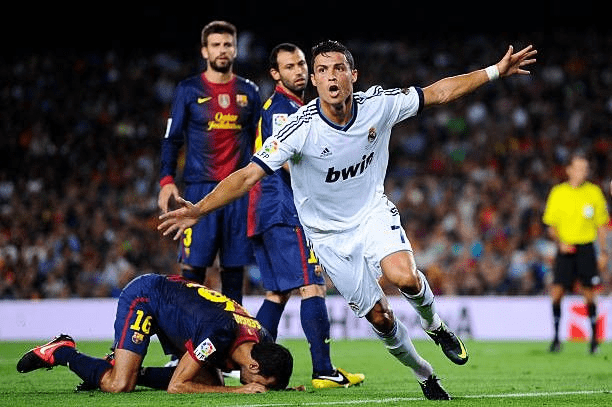
One of the most famous rivalries in sports history is Real Madrid CF vs FC Barcelona, widely known as El Clásico.
This rivalry is often considered the biggest club match in the world, attracting hundreds of millions of viewers whenever the teams meet. The origins of the rivalry date back to 1902, when the clubs first faced each other in a competitive match.
Political and Cultural Meaning
The intensity of El Clásico is deeply rooted in Spanish history. Barcelona represents the Catalan identity, while Real Madrid historically became associated with central Spanish authority. During the dictatorship of Francisco Franco, the rivalry gained political significance, as Barcelona symbolized resistance and Catalan culture.
Legendary Players
El Clásico has featured some of the greatest footballers ever:
- Lionel Messi
- Cristiano Ronaldo
- Zinedine Zidane
- Ronaldinho
The rivalry reached a historic peak during the Messi vs Ronaldo era (2009–2018), when the two teams dominated European football and produced some of the most memorable matches in modern history.
Memorable Moments
- Barcelona’s 6–2 victory in Madrid (2009)
- Real Madrid’s 4–0 win at Camp Nou (2015)
- The famous “pig’s head” incident thrown at Luis Figo after he switched from Barcelona to Madrid.
El Clásico remains one of football’s greatest spectacles and a rivalry that defines the sport itself.
Boca Juniors vs River Plate – The Superclásico
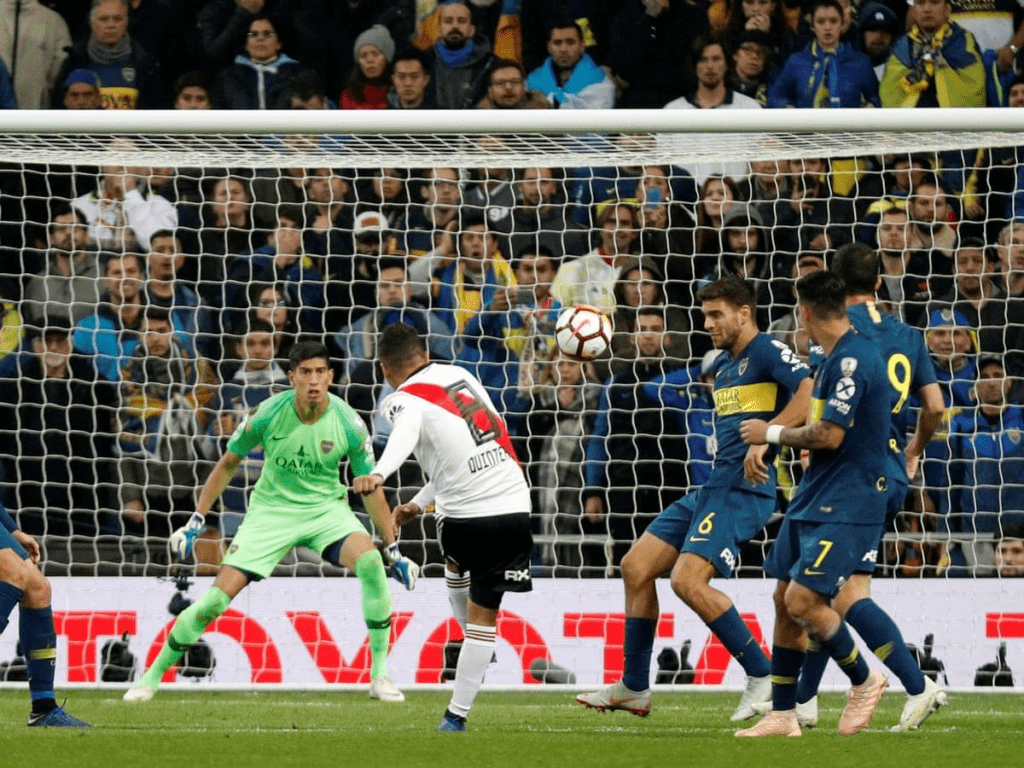
The Superclásico between Boca Juniors and River Plate is widely regarded as the fiercest rivalry in world football.
Both clubs are based in Buenos Aires, Argentina, and their rivalry reflects the city’s social and cultural divisions.
Origins of the Rivalry
The first official match between Boca and River took place in 1913.
Initially, both clubs were located in the same working-class neighborhood, La Boca, before River Plate moved to the wealthier district of Núñez. This created a symbolic divide:
- Boca Juniors – working-class identity
- River Plate – associated with wealth and elite culture
Fan Passion
Superclásico matches are famous for:
- Massive stadium atmospheres
- Intense fan chants
- Colorful displays and flares
The rivalry is so intense that in 2018, the Copa Libertadores final between the teams had to be moved from Argentina to Spain after crowd violence.
Cultural Impact
Many football legends have participated in the Superclásico, and the match is considered one of the most emotionally charged sporting events in the world.
Celtic vs Rangers – The Old Firm Derby

The Old Firm Derby between Celtic F.C. and Rangers F.C. is one of the most politically and culturally significant rivalries in football.
The first match between the two Glasgow clubs took place in 1888.
Religious and Political Divisions
The rivalry goes beyond football and reflects historical divisions in Scotland:
- Celtic traditionally associated with Irish Catholic communities
- Rangers historically linked to Protestant and unionist traditions
These cultural differences have made Old Firm matches highly emotional events.
Dominance in Scottish Football
Together, Celtic and Rangers have won over 100 Scottish league titles, making them the most dominant clubs in the country.
Atmosphere
Old Firm matches are known for:
- Loud stadium atmospheres
- Fierce tackles and intense competition
- Historic title-deciding matches
Despite modernization in football, the Old Firm remains one of the most intense rivalries in the world.
Liverpool vs Manchester United
In England, the biggest rivalry is between Liverpool F.C. and Manchester United F.C..
Unlike city derbies, this rivalry represents two major footballing cities competing for national dominance.
Historical Background
Both clubs have been the most successful teams in English football history.
- Manchester United dominated during the Sir Alex Ferguson era
- Liverpool dominated in the 1970s and 1980s
The rivalry intensified as both teams competed for domestic and European titles.
Famous Players
Some legendary players associated with this rivalry include:
- Steven Gerrard
- Ryan Giggs
- Wayne Rooney
Matches between these teams often decide league titles or influence the Premier League standings.
AC Milan vs Inter Milan – The Milan Derby
The Derby della Madonnina is contested between AC Milan and Inter Milan.
Unlike many rivalries, these clubs share the same stadium—San Siro Stadium.
Origins
The rivalry began in 1908, when Inter Milan was formed by members who split from AC Milan due to disagreements about signing foreign players.
Characteristics
What makes this derby unique:
- Both teams share the same stadium
- Both have massive international fan bases
- The derby often decides Serie A titles
Champions League Drama
In recent years, the rivalry gained international attention when the clubs met in the UEFA Champions League semi-finals, highlighting the renewed strength of Italian football.
Nacional vs Peñarol – Uruguay’s Historic Rivalry
In South America, another legendary rivalry is the Uruguayan Clásico between Club Nacional de Football and Peñarol.
The rivalry dates back to 1900, making it one of the oldest in world football.
National Significance
These two clubs are the most successful and popular teams in Uruguay, and their matches are followed across the entire country.
Historic Record
Over 575 matches have been played between them, making it one of the most frequently contested rivalries in football history.
Club América vs Guadalajara – Mexico’s Super Clásico
Mexico’s biggest football rivalry is between Club América and C.D. Guadalajara, known as El Súper Clásico.
The rivalry began in 1943 and has grown into the most important match in Mexican football.
Cultural Differences
The clubs represent contrasting identities:
- Club América – associated with wealth and establishment
- Guadalajara – famous for fielding only Mexican players
Nationwide Interest
Because both clubs have huge fan bases across Mexico and the United States, the match attracts massive television audiences.
Huracán vs San Lorenzo – Buenos Aires Neighborhood Derby
Another historic Argentine rivalry is between Club Atlético Huracán and San Lorenzo de Almagro.
The first meeting occurred in 1915, and the rivalry has become one of the most traditional in Argentina.
Unique Identity
This derby is often called “the world’s greatest neighborhood derby” because the clubs originate from neighboring districts in Buenos Aires.
Historical Importance
Both clubs are among Argentina’s most popular teams and have won numerous national titles, keeping the rivalry relevant for over a century.
Other Famous Rivalries Around the World
Football history is full of other legendary rivalries, including:
- **Bayern Munich vs Borussia Dortmund – Germany’s “Der Klassiker”
- **Red Star Belgrade vs Partizan Belgrade – Serbia’s Eternal Derby
- **Flamengo vs Fluminense – Brazil’s famous Fla-Flu
These matches illustrate how football rivalries exist in nearly every footballing culture.
Why Rivalries Make Football Special
Football rivalries endure because they represent identity, loyalty, and emotion. Supporters often inherit their allegiance from parents or local communities, making these matches deeply personal.
Rivalries also produce:
- Legendary goals and dramatic matches
- Unforgettable fan atmospheres
- Historical narratives passed from generation to generation
For players, winning a derby match often means more than winning any other game in the season.
Conclusion
Football rivalries are the beating heart of the sport. Whether it is El Clásico in Spain, the Superclásico in Argentina, or the Old Firm in Scotland, these matches represent far more than football they embody history, culture, and passion.
Each rivalry tells a unique story: cities divided by pride, fans united by loyalty, and players striving to write their names into football history. As the sport continues to evolve, these rivalries remain timeless reminders of why football captivates billions of people around the world.
Even in an era of globalization and modern stadiums, the intensity of derby matches proves that football is still, at its core, a game fueled by emotion, identity, and rivalry.