At first glance, baseball and cricket look like close relatives both are bat-and-ball sports where teams alternate between batting and fielding, aiming to score runs. But once you dig deeper, you realize they are fundamentally different in structure, pace, strategy, and culture. These differences are so significant that fans of one sport often find the other confusing at first.
This comprehensive evergreen guide breaks down the key differences between baseball and cricket from rules and gameplay to equipment, global reach, and strategy so you can clearly understand what sets them apart.
The Shared DNA: Similar Yet Different
Both baseball and cricket belong to the same sporting family. In both games:
- A player hits a ball delivered by an opponent
- Teams alternate between offense (batting) and defense (fielding)
- The objective is to score more runs than the opposing team
However, while the core idea is similar, the execution is vastly different.
1. Field Layout and Playing Environment
Baseball Field

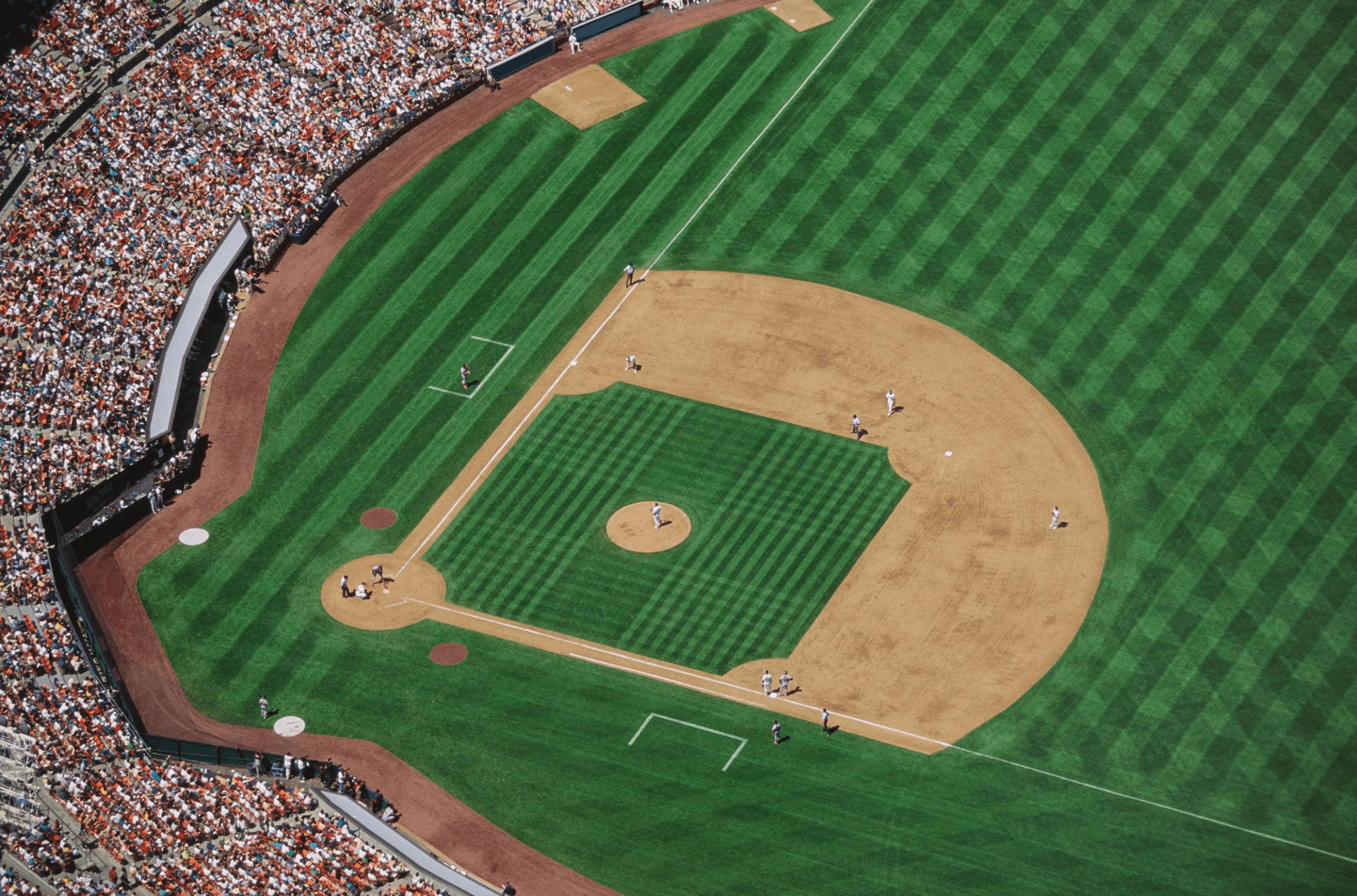
Bball is played on a diamond-shaped field with four bases arranged in a square (home, first, second, and third). The game is confined within fair and foul territory, limiting where the ball can be played.
Cricket Field

Cricket is played on a large oval field with a 22-yard pitch at the center. The ball can be hit in 360 degrees, offering far more spatial freedom.
Key Difference
- Baseball: Structured, directional gameplay
- Cricket: Open, 360-degree play
This difference alone shapes how each sport is strategized and played.
2. Team Size and Player Roles
- Baseball: 9 players per team
- Cricket: 11 players per team
In bball, players have highly specialized roles (pitcher, catcher, shortstop, etc.), and substitutions are common.
In cricket, players are more multi-skilled—many contribute as both batters and bowlers.
3. Game Structure and Duration
One of the most striking differences is how long the games last.
Baseball
- Fixed at 9 innings
- Each inning: both teams bat once
- Typical duration: 2–4 hours
Cricket
- Multiple formats:
- T20: ~3 hours
- ODI (One Day): ~7–8 hours
- Test matches: up to 5 days
Key Difference
- Bball: Predictable, time-limited
- Cricket: Flexible, can span days
Also Read- Baseball: A Hidden Chess Match—How Pitching Strategy Defines Every Game
4. Scoring System
Baseball Scoring
- A run is scored when a player completes a circuit of all four bases and returns to home plate
- A home run allows automatic scoring
Cricket Scoring
- Runs are scored by:
- Running between wickets
- Hitting boundaries (4 runs)
- Hitting over the boundary (6 runs)
Key Difference
- Baseball: Fixed path scoring (bases)
- Cricket: Flexible scoring (running + boundaries)
5. Bat and Ball Design
Baseball Equipment

- Bat: Round, narrow
- Ball: Smaller, hard, tightly stitched
- Fielders use gloves
Cricket Equipment

- Bat: Flat, wide surface
- Ball: Slightly larger and heavier
- Protective gear (pads, helmets) is essential
Key Difference
- Bball emphasizes power hitting
- Cricket emphasizes control and versatility
6. Bowling vs Pitching
- Baseball: The pitcher throws the ball overhand toward the batter
- Cricket: The bowler delivers the ball with a straight arm, often bouncing it off the pitch
Though the delivery distance is similar, the techniques and strategies differ greatly.
7. Getting Players Out
Baseball Outs
- Strikeouts
- Catches
- Force outs (tagging bases)
Each team gets 3 outs per inning.
Cricket Dismissals
- Bowled (hitting the stumps)
- Caught
- Run out
- LBW (leg before wicket)
A team can lose up to 10 wickets before their innings ends.
Key Difference
- Bball: Limited outs per inning
- Cricket: Continuous batting until most players are out
8. Strategy and Gameplay Style
Baseball Strategy
- Highly structured
- Focus on:
- Pitch selection
- Defensive shifts
- Situational hitting
Managers actively guide play during the game.
Cricket Strategy
- More fluid and adaptive
- Focus on:
- Field placement
- Bowling variations
- Shot selection
Captains make decisions on the field with minimal external input.
9. Pace and Flow of the Game
- Baseball: Stop-start rhythm with pauses between pitches
- Cricket: More continuous, especially in shorter formats
This affects viewer experience:
- Baseball is often described as tactical and episodic
- Cricket can feel strategic and narrative-driven, especially in longer formats
10. Global Popularity and Cultural Identity
Baseball
- Dominant in:
- United States
- Japan
- Latin America
Often called “America’s pastime.”
Cricket
- Popular in:
- India
- England
- Australia
- South Africa
- Pakistan
Cricket has a massive global following, especially in Commonwealth nations.
11. Flexibility vs Structure
This is perhaps the deepest philosophical difference:
- Baseball is structured, rule-driven, and predictable
- Cricket is flexible, adaptable, and situational
For example:
- Baseball restricts hitting directions (foul lines)
- Cricket allows full freedom of shot-making
12. Match Outcomes and Drama
- Baseball games almost always end within a few hours
- Cricket matches can evolve over days, creating layered narratives
A Test cricket match, for example, can shift momentum multiple times, resembling a chess match played over five days.
Final Comparison Snapshot
| Feature | Baseball | Cricket |
|---|---|---|
| Field Shape | Diamond | Oval |
| Players | 9 per team | 11 per team |
| Game Length | ~3 hours | 3 hours to 5 days |
| Scoring | Bases circuit | Runs + boundaries |
| Bat Shape | Round | Flat |
| Ball | Smaller | Slightly larger |
| Play Direction | Limited | 360° |
| Outs | 3 per inning | 10 wickets total |
Conclusion: Two Sports, Two Worlds
While bball and cricket share a common ancestry, they have evolved into distinct sporting experiences. Baseball thrives on precision, structure, and quick decision-making. Cricket, on the other hand, celebrates endurance, adaptability, and strategic depth over varying timeframes.
Neither is “better” they simply reflect different sporting philosophies shaped by culture, geography, and history.
Understanding both not only deepens your appreciation of each game but also reveals how a single concept a bat hitting a ball can evolve into two completely unique sporting universes.